Key Takeaways
Transitioning to renewable energy via rooftop installations requires thoughtful consideration of your existing policy structure. These points summarise the essential aspects of protecting your system:
- Rooftop solar systems are generally treated as permanent fixtures on the home.
- Proper compliance with current Australian Standards is a prerequisite for cover.
- Keep detailed receipts and installation certification stored in a secure location.
- Review your total sum insured to avoid being underinsured after significant property investments.
- Report damage to your insurer as soon as it occurs to initiate claims procedures.
Understanding policy coverage for solar power systems
Homeowners transitioning to renewable energy often worry about how their new equipment fits into a standard insurance arrangement. When assessing solar panels and home insurance, it is vital to understand that your policy generally encompasses various facets of your dwelling. Most providers consider these units as enhancements to the property value rather than temporary additions.
Distinction between building and contents coverage
Buildings insurance typically covers the physical structure of your residence and its fixed components. Permanent rooftop arrays generally fall under this category as they become an integrated part of the roof. If you keep portable power banks or specific loose hardware, these might technically fall under contents insurance, necessitating a clear distinction.
Classification of panels as permanent fixtures
Insurance providers usually view solar panels intended for fixed operation as permanent building fixtures. Once bolted into the roof structure and wired into the local grid, they are rarely categorised as individual personal items. Kin Insurance often highlights that viewing these installations as parts of the permanent home structure helps in determining the appropriate dwelling coverage limits that need to be maintained.
Coverage inclusions under standard home and contents policies
Standard policies frequently include cover for damages resulting from fire, storm, or impact. However, the presence of these systems does not always mean they are covered against every peril by default. You should confirm if your particular policy wording covers damage to the electrical components of the inverter or just the physical solar panels themselves.
Requirements for insurance eligibility
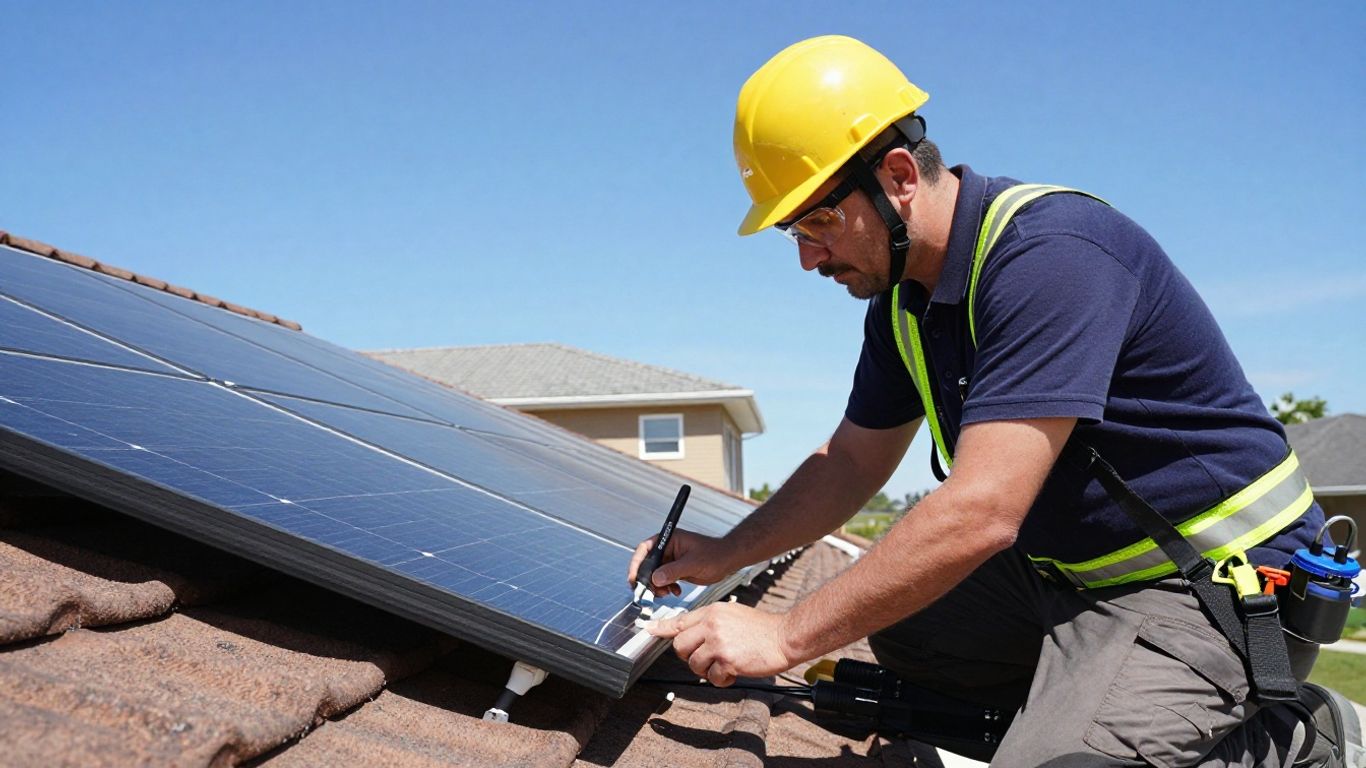
Ensuring your solar system remains eligible for insurance protection starts with the quality of the hardware and the standard of workmanship involved. Most reputable insurers will only provide coverage if the system meets specific industry benchmarks, leaving non-compliant systems exposed to significant financial risk. Owners should be aware that failing to meet these technical requirements can void coverage eligibility during a claim.
Impact of Australian Standards compliance
Insurers strictly enforce adherence to local safety benchmarks when assessing coverage eligibility. If your system is found to be non-compliant with electrical wiring rules or structural guidelines, an insurer is within their rights to deny a claim for damage. This makes regular audits of your system’s compliance status essential for long-term protection.
Importance of certified professional installation
Using a licensed professional ensures that the installation is completed according to safety protocols. A Roof Solar Panel Structural Assessment provides an engineered and defensible evaluation that confirms your roof can handle the distributed weight and wind load of an array. Proper documentation from such assessments serves as evidence that the work was handled by qualified personnel, which insurers often require as a condition of maintaining cover.
Documenting solar system upgrades for policy records
Keeping a comprehensive file regarding your system upgrades provides necessary transparency when discussing coverage with your provider. A structured record-keeping strategy helps maintain accurate records for both the installation and any subsequent maintenance conducted over the system’s lifespan.
- Maintain a file containing the solar certificate issued upon installation.
- Keep copies of all electrical inspection reports provided after maintenance visits.
- Save invoices for any additional hardware or inverter repairs performed over time.
- Store these documents digitally to ensure they are accessible if physical paperwork is lost.
This simple documentation process ensures that if you ever need to demonstrate the value or the age of your hardware, the information is immediately available.
Assessing risks and common perils
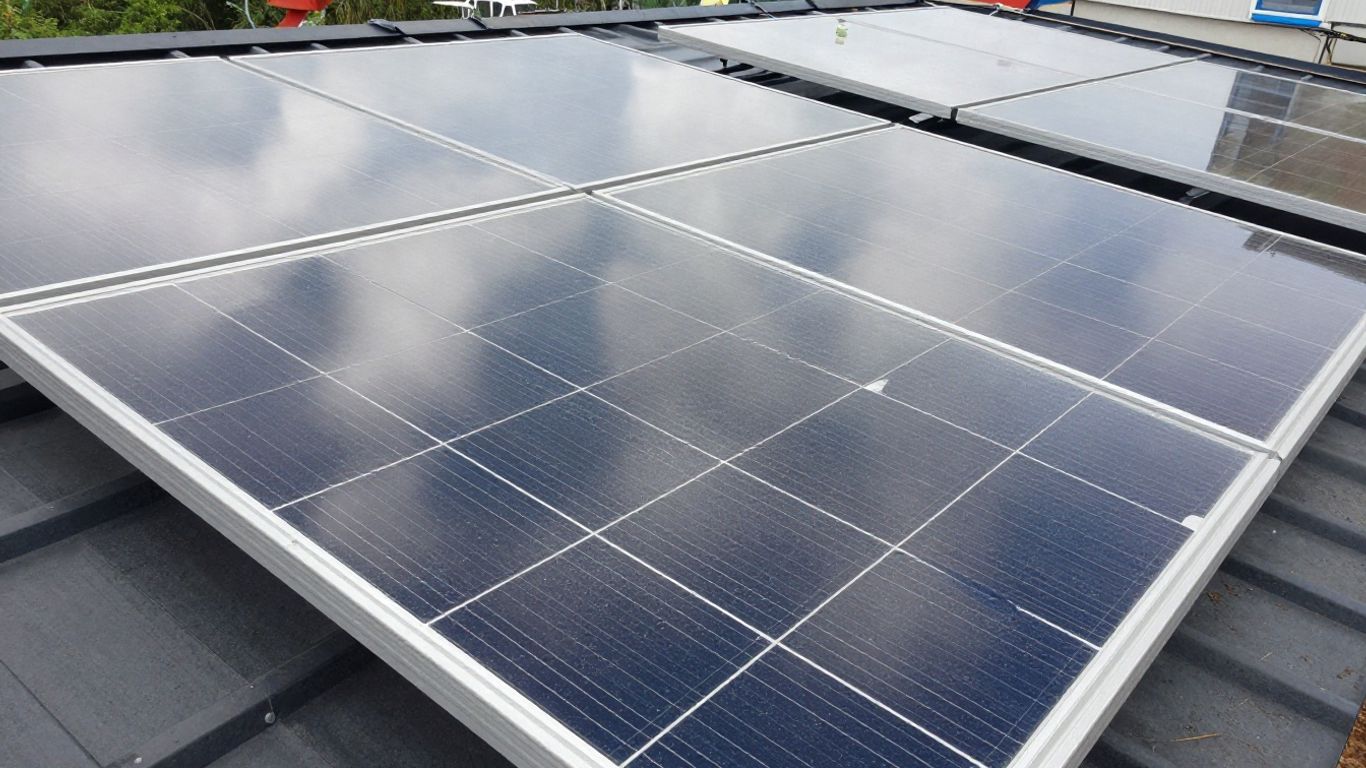
Environmental exposure is the most significant threat to the durability of rooftop solar equipment in Australia. While they are designed to withstand harsh outdoor conditions, they remain vulnerable to specific extreme weather events that must be considered when checking your policy coverage. Understanding these risks helps homeowners prepare for potential eventualities without underestimating the potential repair costs.
Coverage for storm, hail, and extreme wind damage
High-velocity winds and damaging hail are frequent causes of solar system failure. Progressive clarifies how dwelling coverage might protect roof-mounted panels from damage caused by these forces, though exclusions can apply depending on the age of your property. It is wise to verify if your specific policy includes a provision for debris impacts or falling tree branches which are common during intense wind events.
Differentiating between routine maintenance and accidental damage
Insurers draw a hard line between standard wear and tear and sudden, accidental loss. Maintenance tasks like cleaning panels or replacing aged cabling are the responsibility of the owner and are not covered outcomes. The following table differentiates common scenarios to help clarify what usually triggers a valid claim.
| Scenario Type | Insurance Coverage Status | Reason |
|---|---|---|
| Sudden Hail Damage | Generally Covered | Classified as an unpredictable peril |
| Inverter Component Failure | Dependent on Terms | Excluded if due to normal aging |
| System Vandalism | Generally Covered | Classified as a malicious act |
By ensuring you perform routine upkeep, you reduce the likelihood of minor issues escalating into larger, uncovered equipment failures.
Strategies for mitigating theft and vandalism risks
While theft of roof-mounted panels is relatively rare due to the difficulty of removal, vandalism can still occur in some areas. Implementing physical security measures, such as installing security cameras or ensuring the array is not easily accessible from ground level, can further reduce risk. Regular visual inspections also help you spot signs of tampering early.
Managing your policy limits and valuation
Ensuring your home insurance policy accurately reflects the replacement cost of your solar equipment is essential. When you install a fresh system, your existing sum insured may no longer represent the full value of your building and its features. If you fail to account for the current market cost of replacement panels and inverters, you might face significant out-of-pocket expenses.
Calculating the total sum insured for your property
To calculate the new sum insured, add the full replacement value of your solar system to the existing building sum. This should include the cost of the panels, inverters, cabling, and the professional labor required for an installation. Relying on an outdated valuation from before the system was installed poses a genuine danger of being significantly underinsured.
The process of updating insurance after solar additions
Contacting your insurer to update your policy is a simple but critical administrative step. Provide them with the commissioning date and the total valuation of the installation as documented by your installer. This ensures your premium is adjusted correctly and your coverage is properly extended to protect your property investment.
Mitigating the risks of being underinsured
Being underinsured creates a gap between your claim payout and the actual cost of restoration. By reviewing your building sum annually against construction inflation and your specific solar system value, you keep your coverage aligned with reality. This proactive review prevents surprises should you ever need to submit an insurance claim.
Navigating the claims process and documentation
Initiating a claim requires a clear, logical sequence of actions to demonstrate the damage. After a significant event, you must establish that the incident falls within your policy’s covered risks. Proper documentation is the foundation of any successful claim resolution.
Gathering proof of purchase and system installation
Collect your original purchase agreements along with the final electrical certificates. Insurers typically look for these items to verify the ownership and the original quality of the installed hardware. Having such documents pre-organised allows for a much quicker assessment of your claim.
Engaging certified technicians for damage assessments
If the system fails or incurs damage, engage a qualified solar technician to conduct a thorough inspection. They can provide an objective report on the cause of the failure, which is crucial for distinguishing between storm damage and internal component failure. This report acts as technical evidence supporting your request for repair or replacement.
Communicating with your insurer following equipment failure
Notify your provider immediately upon discovering the damage. Provide them with your incident report, photographs of the affected areas, and the diagnostic assessment provided by your technician. Clear and steady communication throughout the process helps prevent misunderstandings and ensures that all legitimate claims are processed smoothly.
Conclusion
Protecting your solar investment requires both diligence and clear communication with your insurance provider. By ensuring your system complies with safety standards, documenting every stage of installation, and regularly adjusting your property’s total sum insured, you ensure that your renewable energy transition is fully shielded. Maintaining this approach reduces financial uncertainty, allowing you to enjoy the benefits of your solar power system with confidence and peace of mind.
Frequently Asked Questions
Do I need to inform my insurer after adding solar panels?
Yes, you should contact your insurer immediately after the installation is complete. Failing to update your policy could lead to issues during a claim process if your total sum insured does not include the value of the new system.
Are ground-mounted solar systems covered the same way as rooftop systems?
Not necessarily, as insurance companies often classify detached structures differently than the main dwelling. You should verify if ground-mounted systems fall under your policy’s other structures coverage or if they require a specific endorsement.
Will my insurance premium increase after installing solar panels?
It is common for premiums to increase because the total replacement cost of your home has grown. Updating your coverage level to account for the new asset naturally impacts the risk assessment for your property.
What happens if I lease my solar panels?
When you lease a system, ownership typically remains with the supplier, who often carries their own insurance cover. Check your leasing contract to see if you are required to hold liability coverage or if the provider covers damage to the panels themselves.
Does standard home insurance cover electrical failure of the inverter?
Inverters are electrical appliances and coverage for their failure depends on your policy’s specific terms regarding accidental damage. Many standard policies focus on physical storm damage rather than internal component failure due to ordinary operation.
How should I document damage when making a claim?
Take clear photographs of the damage from multiple angles and keep records of all communications with your insurer. Engaging a certified technician to write an assessment report strengthens your claim significantly.
Is it possible to get separate solar insurance if my home policy is insufficient?
Yes, some homeowners choose to work with specialist insurers if their existing house and contents policy offers limited or restrictive support. This is a potential choice if your solar system is particularly large or occupies detached structures that are difficult to insure under a standard residential package.