Key Takeaways
Choosing the right cooling system depends on your home location, size, and long-term energy goals. Follow these five core principles when selecting your new appliance.
- Measure your living space accurately to determine cooling capacity.
- Evaluate the differences between split systems and ducted alternatives.
- Prioritize high-star energy ratings for reduced long-term operating costs.
- Account for total installation fees and potential hidden structural expenses.
- Ensure regular maintenance is planned to validate your product warranty.
Understanding your cooling needs
Selecting the right system starts with a clear assessment of your environment, as no two homes require the exact same cooling capacity. Understanding how your space interacts with outside temperatures will guide you toward the most efficient technology. Taking the time to evaluate these variables prevents both overspending and inadequate climate control.
Assessing room size and square footage
Start by calculating the physical area of the room or house you intend to cool. Small bedrooms may only require a small wall-mounted unit, while open-plan living areas often demand significantly more power to remain comfortable during the hotter months.
Identifying local climate factors in Australia
Australia features highly diverse weather patterns, ranging from tropical heat in the north to temperate or coastal conditions in the south. High humidity levels might require units with specific dehumidification cycles, whereas arid inland regions benefit most from robust heat exchange performance.
Calculating the required cooling capacity in kW
Cooling capacity is measured in kilowatts (kW) and dictates how quickly a room reaches your desired temperature. If you need assistance, AC Direct offers tools to help determine the correct size for your specific layout to ensure you never purchase an underpowered or inefficient system.
Evaluating different types of air conditioning units
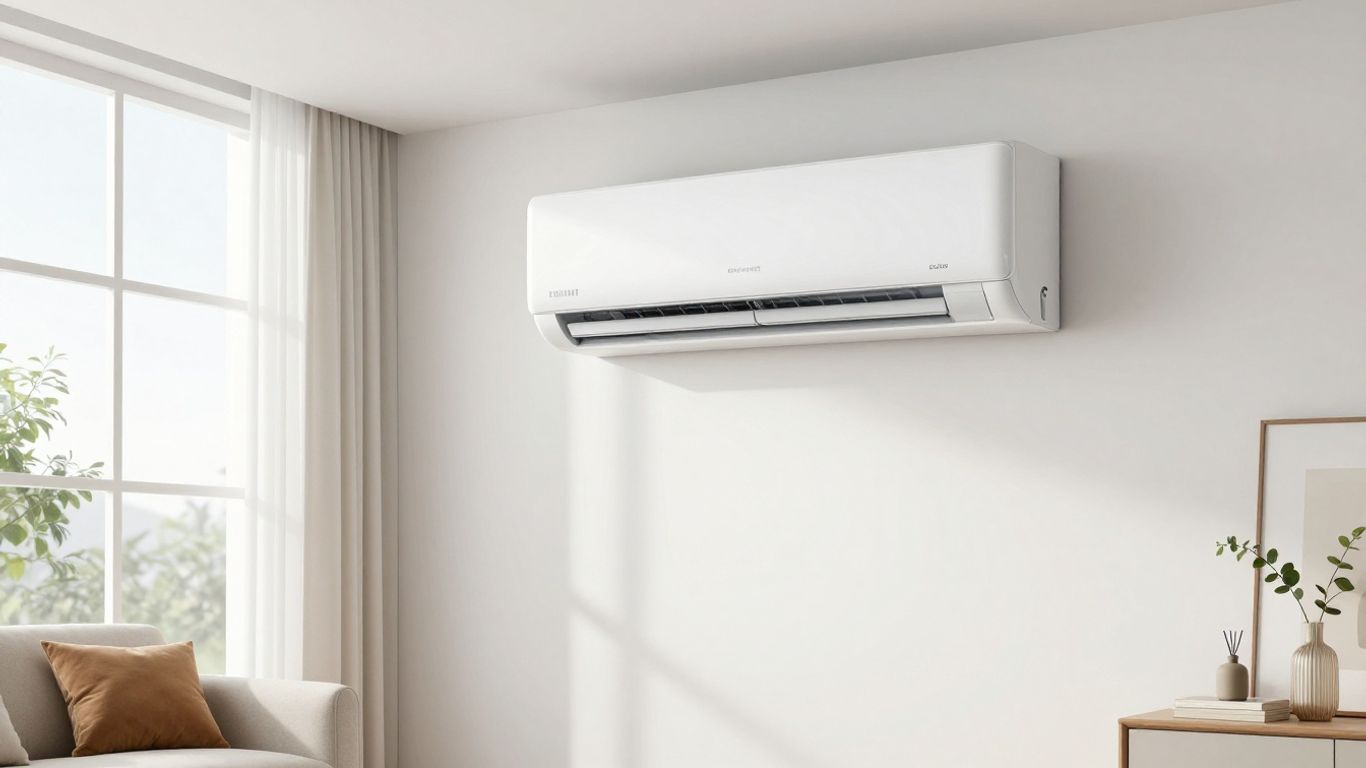
Selecting which style of air conditioning to purchase depends heavily on your property structure and layout limitations. Whether you are living in an apartment or a large family house, the mechanical configuration of the unit will largely dictate its effectiveness and ongoing utility usage. Matching the hardware to your home architecture is the most important decision for long-term satisfaction.
Advantages of split system units
Split systems consist of an indoor unit connected to an exterior compressor, making them exceptionally quiet and versatile for individual rooms. They offer targeted cooling, allowing you to turn off systems in unoccupied areas to save on power consumption throughout the day.
When to consider a ducted central system
Ducted air conditioning is the gold standard for full-home climate control because it distributes cool air through discreet ceiling vents. Systems like those from Trane provide consistent comfort across multiple rooms without the visual clutter of individual wall units, although they generally require more extensive installation effort.
Pros and cons of portable or window units
Portable and window-mounted units offer immediate, flexible solutions for renters or those on a strict budget who cannot install permanent plumbing or electrical lines. While convenient, they often struggle with noise and lack the high-efficiency ratings found in permanent wall-mounted or ducted alternatives.
Energy efficiency and star ratings
Energy ratings serve as the primary guide for understanding how much power your new machine will consume over its lifetime. Making a conscious effort to compare units is similar to researching complex purchases like an adjustable bed mattress to ensure comfort meets long-term value. Higher star ratings indicate superior efficiency, which is essential for managing domestic utility bills.
Interpreting the Australian energy rating label
Every official unit sold locally carries a mandatory energy label that clearly displays star ratings for both heating and cooling performance. These numbers allow for a direct, like-for-like comparison between different brands, even when the underlying technology varies significantly.
Comparing inverter versus non-inverter technology
Inverters work by adjusting the motor speed based on the temperature requirements, whereas non-inverter models operate at full capacity until the target is reached, then cycle off completely. Modern homes benefit from inverter tech because it maintains a stable temperature with less electrical strain, preventing the energy-intensive spikes associated with older, fixed-speed compressors.
Long-term cost savings of high-efficiency models
While high-efficiency models carry a higher upfront cost, they frequently pay for themselves through drastically reduced monthly energy expenses. To illustrate the variation in potential savings based on efficiency, consider the following general comparison of unit types:
| Unit Type | Energy Efficiency Profile | Typical Usage Context |
|---|---|---|
| Inverter Split | High Efficiency | Individual bedrooms or living areas |
| Fixed Speed Split | Moderate Efficiency | Occasional use spaces |
| Ducted System | Varies by Zoning | Entire homes or large open plans |
Selecting a system that genuinely minimizes power drain is the best way to drive sustainable home growth. We recommend auditing your potential choices using available data to ensure you are choosing energy-efficient appliances at every opportunity, avoiding systems that create unnecessary waste.
To manage your energy consumption better, consider these essential habits:
- Maintain consistent thermostat settings to prevent motor fatigue.
- Clean dust filters regularly to ensure maximum airflow.
- Shade your windows to stop heat from entering during peak sunlight.
- Use smart controls to optimize when the unit runs.
Budgeting for your purchase and installation
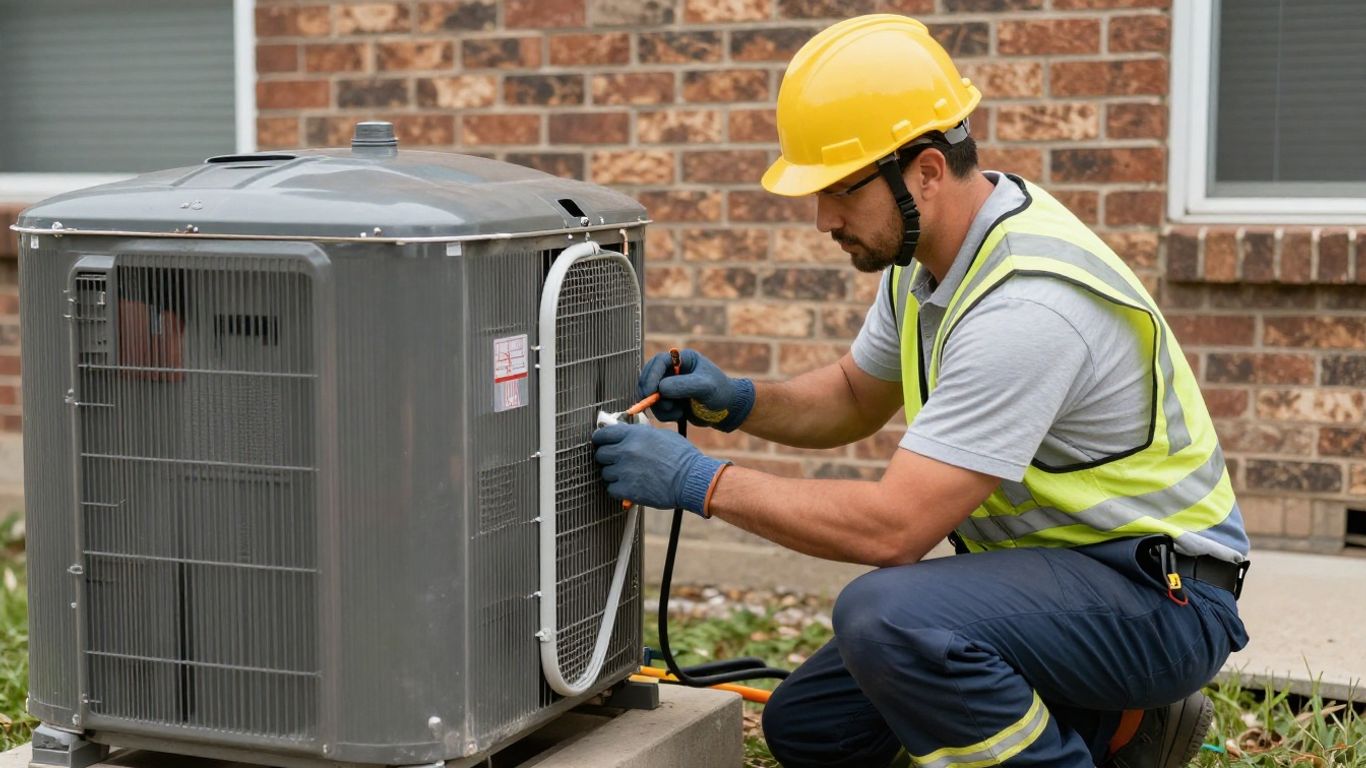
Buying an air conditioner involves more than just the sticker price on the shelf. You must carefully weigh the cost of the unit against the qualified installation labor required to guarantee the machine functions safely and correctly. Transparent, professional installation services should be factored into your primary budget calculation from the very start.
Breaking down the unit price versus installation fees
Installation costs often equal or exceed the equipment price, especially for complex projects requiring electrical system upgrades. You should expect to see varied pricing based on Carrier Residential hardware tiers and the labor rate for a certified refrigeration technician who ensures the unit meets all local compliance standards.
Hidden costs like electrical upgrades or ductwork
Older properties often require switchboard upgrades or structural modifications to accommodate modern split or ducted systems. These expenses can rise quickly, so always ask for a fixed-quote estimate that covers wiring and wall penetration repairs so you face no unexpected surprise costs once the team arrives.
Government rebates and financial assistance schemes
Various state-based cooling assistance programs are available to help residents in high-need categories offset the capital cost of purchasing a new unit. Checking eligibility for financial aid can bridge the gap, potentially allowing you to opt for a higher-tier, more efficient model that would otherwise fall outside your initial price range.
Essential features to look for
Modern air conditioning units offer much more than simple temperature regulation. Consumers should prioritize systems that offer advanced operational features and enhanced comfort settings that make daily use more intuitive. Do not settle for basic models when sophisticated, feature-rich options are well within reach of most households.
Built-in air purification and filtration
Many high-quality models now include advanced HEPA-grade or ionization filters that strip household air of dust, allergens, and common bacteria. These systems improve indoor air quality, which is especially beneficial for families that suffer from sensitivity to standard airborne pollutants.
Wi-Fi connectivity and smart home integration
Smart technology allows you to monitor and adjust your house temperature directly from your smartphone while away from home. This feature ensures you return to a perfectly cooled room without wasting energy by keeping the system running at full blast throughout your work day.
Noise level ratings and quiet operation modes
Quiet operation is vital for units placed in bedrooms or home offices where low background hums can become distracting over time. Always check the decibel (dB) ratings listed on the product specifications, as quiet-mode functionality significantly improves the quality of your sleep and overall comfort.
Maintenance and warranty considerations
Consistent care is required to justify your investment and extend the lifespan of your cooling hardware. Manufacturers often rely on regular service schedules to validate their coverage terms, meaning neglect can lead to voided protections.
Determining the importance of a comprehensive warranty
Always ensure that your unit comes with a robust, multi-year manufacturer warranty that covers significant components like the compressor. Relying on digital marketing agencies or service locators to find local repair help is easier when you know your equipment documentation is fully registered and protected.
Planning for regular professional servicing
Bi-annual servicing by a licensed technician ensures the refrigerant levels remain stable and the pump stays clear of debris. Much like checking why a car has poor idle heating issues, professional checks reveal minor faults before they escalate into major, expensive failures.
Sourcing parts and support for your chosen brand
Verify that your preferred manufacturer has local stockists or support agents in your region to avoid long wait times for repairs. It is helpful to research how Wix versus WordPress support forums resolve technical issues, which shows that choosing a well-supported brand makes sourcing specific spare parts significantly easier should the need arise in the future.
Conclusion
Selecting the right system requires balancing your current budget against long-term operational efficiency and property requirements. By focusing on your room size, building type, and the quality of support offered by the manufacturer, you can buy an air conditioner that provides comfort for years to come. Take your time to review specifications and installation requirements carefully, as informed preparation is the best way to stay cool during the Australian summer.
Frequently Asked Questions
How often should I clean my air conditioner filters?
You should aim to clean air conditioner filters at least every three to six months, depending on the level of dust in your home and how frequently the system operates throughout the year.
Is it better to buy a larger unit than I need?
Buying an oversized unit is actually counterproductive because it will cycle on and off too frequently, which prevents proper moisture removal and places unnecessary mechanical stress on the compressor motor.
What does the SEER rating actually measure?
The SEER or energy star rating measures the efficiency of your cooling system by comparing the cooling output to the total electrical energy consumed over a standard operating season.
Can I install a split system unit myself?
No, installing a split system requires handling refrigerant lines and making electrical connections that legally must be performed by a licensed professional to ensure safety and warranty validity.
Why does my air conditioner make loud vibrating noises?
Loud vibrations often indicate loose mounting brackets, debris stuck in the fan blades, or that the unit is not properly leveled during the installation process, all of which require inspection by a technician.
Do I need to upgrade my electrical board for an air conditioner?
If you are installing a large, multi-head split system or a high-capacity ducted unit, your current switchboard may need an amperage upgrade to safely support the sudden power draw of the new appliance.
How do inverters differ from standard systems?
Inverters use a processor to regulate the motor speed to maintain an exact temperature while consuming minimal power, whereas older standard systems strictly turn on and off, which causes greater temperature fluctuation.