Key Takeaways
Australia offers a robust market for residential solar technology, with diverse options for homeowners looking to improve their energy management. Selecting the right system involves balancing efficiency, durability, and manufacturer reliability to ensure long-term energy savings.
- Advanced panel technologies allow for greater energy yields even in shaded conditions.
- Reliability remains the primary concern for systems exposed to harsh coastal environments.
- Smart energy management tools can now track domestic consumption patterns in real time.
- Tier-1 manufacturers provide more secure product warranties for long-term peace of mind.
- Proper installation is just as critical as the quality of the selected hardware components.
1. SunPower
SunPower offers high-efficiency solar modules engineered for significant power density within limited roof spaces. Their M-series panels are frequently discussed when talking about premium options that maintain performance over decades, especially in variable Australian climates.
| Panel Series | Efficiency Rating | Temperature Coefficient |
|---|---|---|
| M-Series | 22.8% | -0.29% / °C |
| E-Series | 20.4% | -0.35% / °C |
| P-Series | 19.5% | -0.38% / °C |
These metrics demonstrate why homeowners prioritising maximum energy yield per square metre often consider this brand when customising their residential installations. Selecting an efficient panel ensures that even smaller roof layouts can provide a meaningful contribution toward reducing grid dependency.
2. Trina Solar
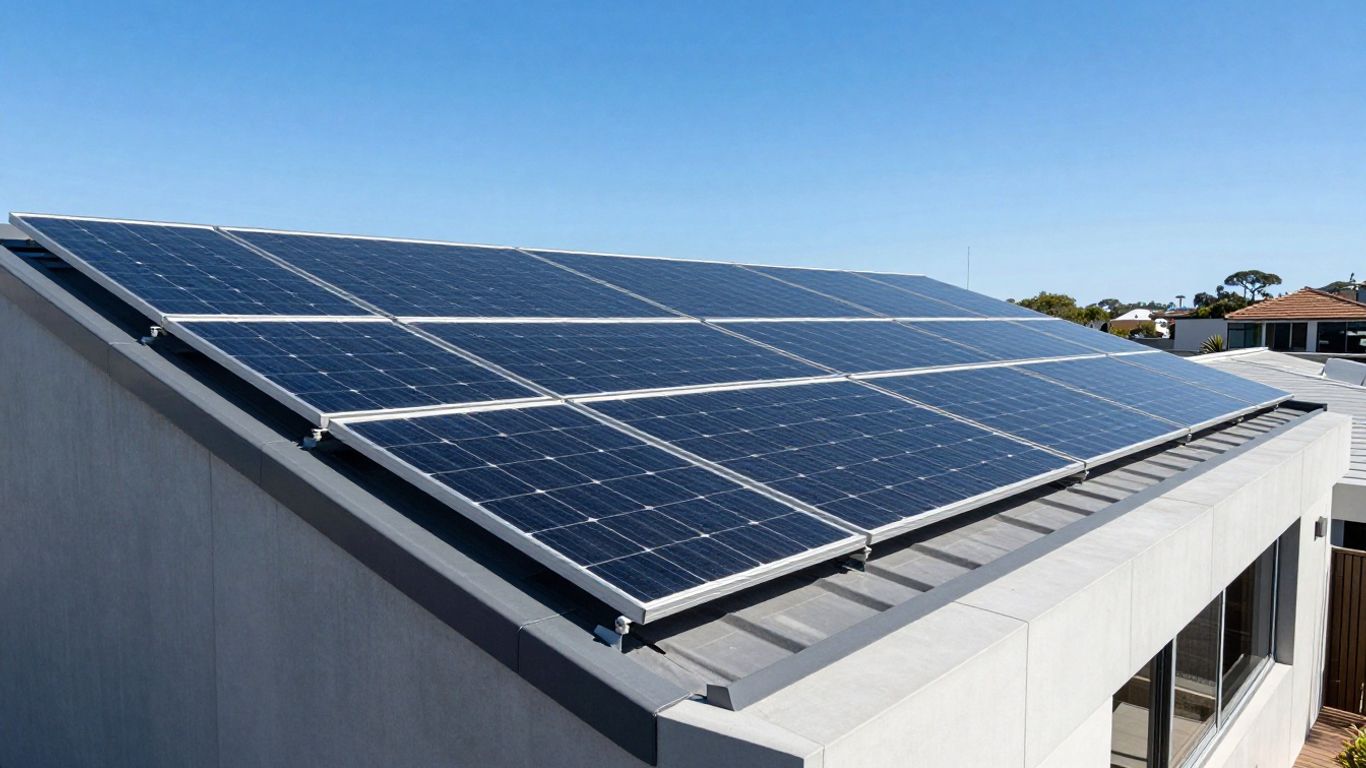
Trina Solar has established a strong presence in the Australian market through its diverse range of photovoltaic modules suitable for both residential and commercial applications. The Vertex series is a popular choice for many, known for incorporating multi-busbar technology that effectively reduces internal resistance and enhances overall power output without significantly increasing the footprint.
This specific engineering approach helps users achieve lower costs per watt, making solar technology more accessible for a wider range of household budgets. It is essential to remember that while the hardware is capable, integrating manual lead follow-up processes can sometimes be the bottleneck if the installer does not communicate effectively throughout the project lifecycle.
Reliable performance depends on how well the system matches the physical constraints of the property. Trina Solar focuses on providing versatile solutions that accommodate different tilt angles and orientation challenges, ensuring that every installation captures optimal sunlight hours regardless of the house design.
3. Canadian Solar
Canadian Solar provides a extensive portfolio of modules that cater to a variety of climates, performing well in the temperature fluctuations commonly observed across the Australian interior. Their BiHiKu bifacial series represents a significant advancement for those looking to harvest light from both sides of the panel, potentially increasing the total electricity generation if the installation area allows for light reflection.
To ensure a system is suitable for your specific location, consider the following checklist when evaluating prospective quotes:
- Verify the solar panel warranty period and service terms.
- Check if the installer provides a dedicated monitoring application.
- Confirm the compatibility of the mounting hardware for heavy wind regions.
- Review the manufacturer’s history regarding localized support within Australia.
These considerations help navigate the complexities of modern solar hardware, preventing common pitfalls during the selection phase. By systematically checking these boxes, homeowners can feel more confident about the longevity and performance of their investment.
4. Jinko Solar
Jinko Solar is globally recognised for its large-scale production capabilities, which translate into a reliable supply of residential panels for the Australian market. Their Tiger series utilizes Tiling Ribbon technology to eliminate gaps between cells, creating a more professional aesthetic while increasing the light absorption area.
This design choice reflects a commitment to minimizing power loss, which is a common challenge for panels installed in hot, high-glare environments. For homeowners seeking a balance between cost and performance, Jinko Solar often presents an attractive option that does not sacrifice modern electrical efficiency.
Understanding the physical lifespan of these panels is important for long-term planning, as they are tested to withstand various environmental stressors. A properly maintained array ensures that the initial capital expenditure delivers consistent value over the expected twenty-five-year operational window.
5. Qcells
Qcells has gained significant recognition for its focus on anti-degradation, ensuring that panels maintain their rated efficiency levels for longer durations despite the intense UV radiation exposure typical of Australian summers. Their Q.PEAK DUO series utilizes advanced passivation technology to manage heat distribution across the surface of the module.
This attention to material science is crucial for maintaining performance in environments that might otherwise cause traditional silicon cells to lose effectiveness over time. By focusing on longevity and performance stability, the brand supports homeowners who treat their energy system as a durable asset rather than a temporary installation.
As you explore best solar companies in California resources for global industry context, you will notice that the demand for high-quality, long-lasting components is a universal trend driving innovation in residential solar energy across developed markets.
6. REC Group
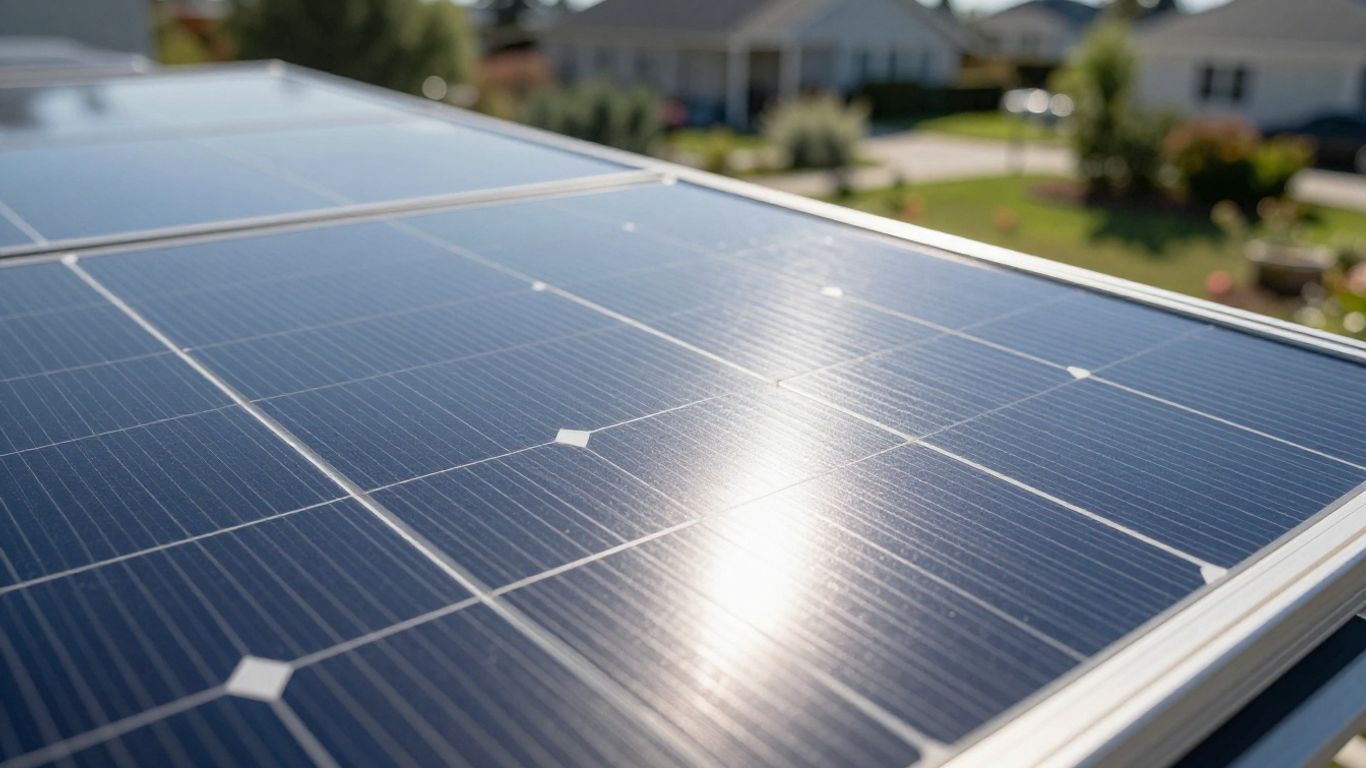
REC Group is frequently sought after by consumers who demand a higher standard of environmental durability and aesthetic integration for their rooftops. Their TwinPeak series is specifically designed to provide consistent energy production even when parts of the panel are partially shaded by trees or neighboring structures.
This resilience against shading makes REC Group a pragmatic selection for suburban dwellings where chimney pipes, vents, or surrounding vegetation might otherwise interfere with daily energy production. Owners often find that the slight premium paid for this level of engineering is offset by the reliable power yields over the life of the system.
Installation transparency and data monitoring play a huge role in the success of these systems. Being able to see how individual panels perform allows owners to verify that they are receiving the expected value from their investment, regardless of the weather conditions on any given day.
7. LONGi Solar
LONGi Solar serves a massive portion of the global demand, which keeps their pricing competitive while maintaining high standards of monocrystalline wafer production. By focusing on PERC technology, they have managed to push commercial-grade efficiencies into the residential sector, providing more power in a smaller physical footprint.
Their commitment to scaling effective technology means that homeowners can benefit from advancements in cell efficiency that were previously restricted to the commercial market. The consistency in production quality ensures that when you install a bank of these panels, the electrical characteristics across the string remain highly predictable.
Predictability is key to inverter communication and system stability during peaks in load. When the panels maintain standard electrical performance, the broader inverter ecosystem can work more efficiently, translating into lower electricity bills for the homeowner.
8. Tindo Solar
Tindo Solar maintains a unique position by sourcing and manufacturing specialized components directly within Australia, which helps in addressing the specific environmental challenges of the local climate. Their design philosophy centers on building panels that can survive extreme temperature swings and high salt exposure in coastal neighbourhoods.
By focusing on the local market’s needs, Tindo Solar avoids many of the common pitfalls associated with importing panels that were optimized for Northern Hemisphere climates. This approach results in hardware that is arguably more attuned to the specific UV intensity and thermal profiles encountered throughout the Australian landscape.
Supporting a local entity also simplifies the process of seeking warranty claims or technical support, which is often a significant stressor for homeowners operating solar installations. Reliability is built into the manufacturing process, keeping down the costs associated with premature equipment failure.
9. Risen Energy
Risen Energy delivers a wide range of solar solutions that prioritize high power output at an accessible cost point for many households. Their Titan series provides significant wattage per panel, allowing residential installations to maximize the energy collection potential of larger roof planes and open spaces.
This focus on high-power modules reduces the total number of physical panels required to achieve a set target capacity, which simplifies the mounting process and reduces the number of roof penetrations needed. The design is practical, focusing on the core hardware needs of the average family looking to offset rising utility billing.
Maintaining a clean energy portfolio means keeping the system free from debris, which allows the panels to hit their rated efficiency targets year-round. While the panels are designed for endurance, simple periodic maintenance ensures the long-term viability of the setup.
10. Seraphim
Seraphim offers a range of solar panels that emphasize consistent build quality using automated manufacturing lines. Their focus on multi-layered testing procedures provides a level of comfort to homeowners concerned about the production quality of budget-conscious hardware options that still meet current tier-one industry requirements.
They offer various configurations, including standard mono-facial and bifacial modules, which allows for some flexibility depending on the type of roof and the reflective environment surrounding the property. This modular approach is helpful for tailoring systems to match the owner’s specific energy goals.
In an industry that is changing rapidly, Seraphim tries to remain current by adhering to international benchmarks for quality. While they represent a more value-oriented path into solar, the panels are competitive enough to survive tough operational conditions common in the outback and urban regions alike.
Conclusion
Navigating the market for residential solar effectively requires assessing manufacturer reliability, the specific engineering benefits of the modules, and the quality of local installation support. Whether prioritising the extreme durability needed for coastal regions or seeking the highest efficiency for cramped rooftops, Australian homeowners now have access to a sophisticated array of technologies designed to drive energy independence and long-term utility savings.
Frequently Asked Questions
What are the main benefits of installing solar panels in 2026?
Installing solar panels provides a pathway to significant long-term electricity bill savings, increased energy independence, and a measurable reduction in your household carbon footprint by utilizing renewable sunlight.
How long do residential solar systems typically last?
The majority of high-quality solar panel systems are engineered for an operational lifespan of twenty-five to thirty years, though many continue producing power long after their output warranties expire.
Does shading on one panel affect the entire array’s performance?
It depends on the system architecture; while older string-inverter setups may experience significant output drops from shading on a single panel, modern microinverter or power optimizer systems generally mitigate this issue.
Are solar batteries necessary for every solar setup?
Batteries are not strictly necessary, but they are increasingly valuable for homeowners who wish to store excess daytime energy for evening use or for locations where net metering policies do not provide full credit.
How does climate influence solar panel efficiency?
While solar panels require light to function, they generally reach peak efficiency in clear, cooler conditions; extreme heat can cause voltage drops that slightly reduce the total power output of the modules.
What is the purpose of regular solar maintenance?
Routine maintenance involving panel cleaning and system inspection ensures that environmental debris does not impede energy collection, allowing the system to consistently hit its maximum efficiency rating over its lifespan.
What should I check before signing a solar installation contract?
Always review the warranty details, confirm the installer’s certifications, enquire about the post-installation monitoring tools you will have access to, and ensure the quoted system size matches your home’s actual energy usage patterns.