Key Takeaways
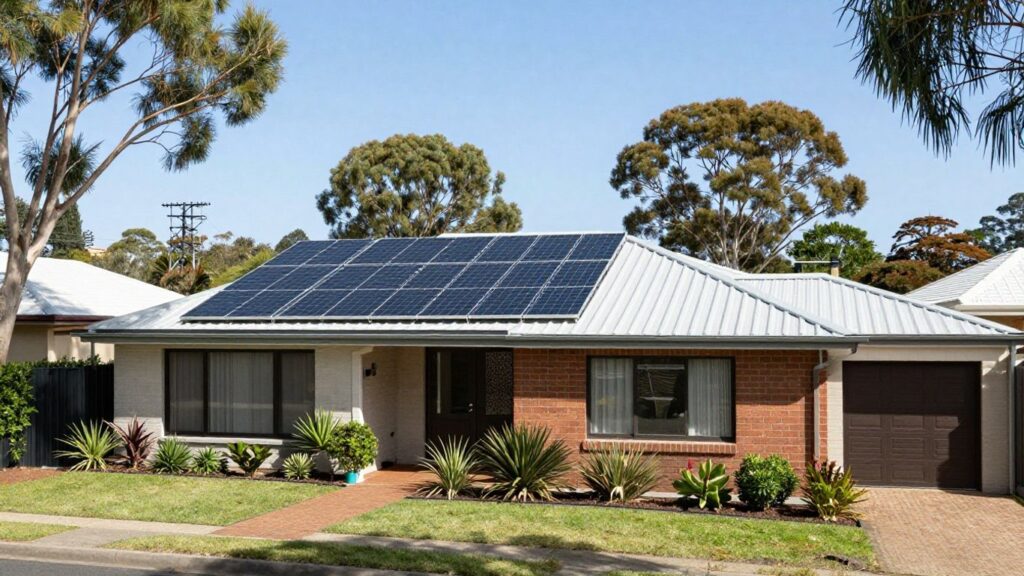
Solar panels turn sunlight into electricity through photovoltaic cells, then an inverter makes that electricity suitable for ordinary household use. The amount of energy produced depends on the system, the roof and the conditions around it.
- Photovoltaic cells use semiconductor materials to create direct current electricity.
- An inverter converts that direct current into alternating current for appliances.
- Solar energy can be used immediately, exported to the grid or stored in a battery.
- Shade, heat, dirt, roof orientation and seasonal sunlight all affect output.
- A well-sized, approved and monitored system is easier to manage over time.
What solar panels are made of
A solar panel is more than a dark rectangle on a roof. It is a layered electrical device designed to capture light, move charge and protect delicate cells from weather. Understanding its construction makes it easier to compare systems and spot the difference between a panel, an array and a complete solar installation.
Photovoltaic cells and semiconductor materials
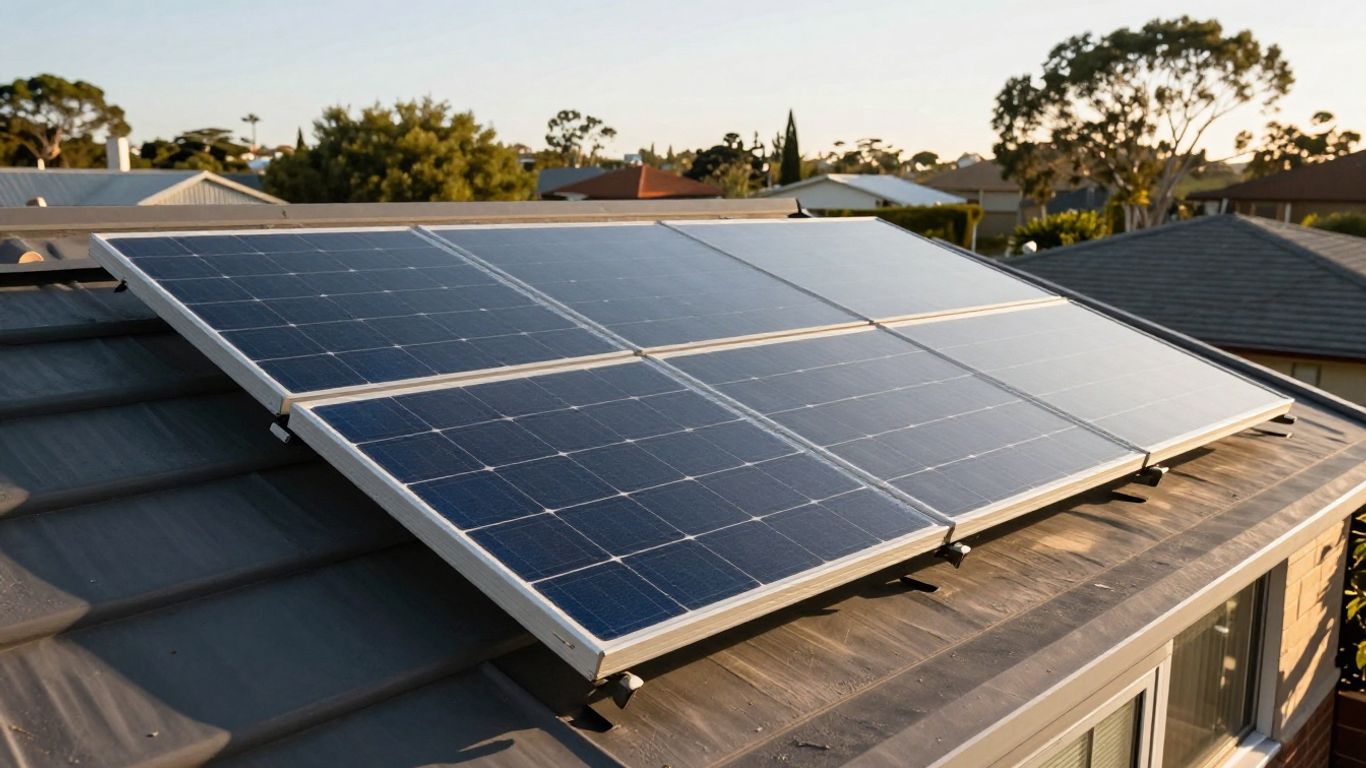
At the centre of a panel are photovoltaic cells, usually made with silicon-based semiconductor material. These cells contain layers with different electrical properties, creating an electric field. When light reaches the cell, it changes the behaviour of electrons and allows an electrical current to form when the cell is connected to a circuit.
The cells are wired together so their output can be collected efficiently. A single cell produces only a small amount of electricity, while many cells working together create the useful voltage and current associated with a panel.
Glass, frames and protective layers
The cells sit between protective layers, commonly beneath tough, transparent glass and above a rear protective sheet. Encapsulating materials help keep moisture away from the electrical parts, while the glass must allow sunlight through without making the panel unnecessarily fragile.
An aluminium frame gives the module rigidity and provides mounting points. Seals, cables and junction boxes complete the outer assembly. These parts are easy to overlook, yet weather protection matters because rooftop equipment faces heat, rain, wind and airborne debris for years.
Solar panels, arrays and complete systems
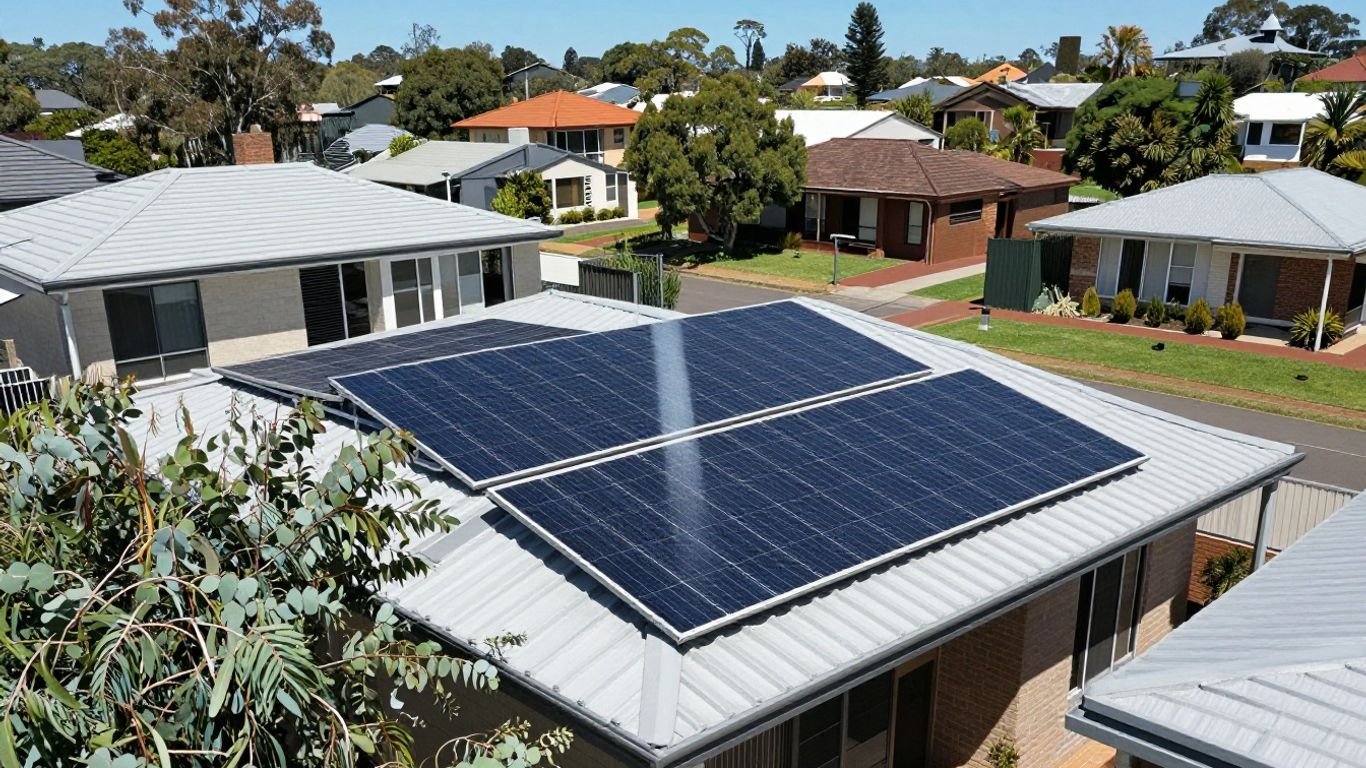
A panel, sometimes called a module, is one assembled unit containing connected cells. Several panels wired together form an array, which is usually mounted across a suitable roof area. A complete photovoltaic system also includes equipment such as an inverter, mounting hardware, cabling, safety switches and meters.
The number of panels is not the only consideration. The system also has to work with the home’s switchboard, the available roof space and the way electricity is used throughout the day. For broader background on photovoltaic components and arrays, see this solar systems guide.
How panel quality affects performance
Quality affects how consistently a panel produces electricity and how well it tolerates outdoor exposure. Cell design, manufacturing tolerances, protective materials, frame construction and electrical connections can all influence reliability. A higher rated panel is not automatically the best choice if its dimensions, warranty or installation requirements do not suit the property.
The roof itself matters too. A useful roof construction guide explains why layers, flashing and workmanship affect the performance and longevity of rooftop equipment, even though roofing and solar panels are separate systems. Good installation begins with a sound surface and appropriate fixing methods.
How solar panels work step by step
The basic process is straightforward: sunlight reaches photovoltaic cells, the cells produce direct current, and electrical equipment converts and directs that energy. The interesting part is how those stages fit together safely in a home. Solar panels work best as one part of a coordinated system rather than as isolated pieces of hardware.
Sunlight creates an electrical current
Sunlight arrives as packets of energy called photons. When photons strike a photovoltaic cell, they transfer energy to electrons in the semiconductor material. The cell’s internal electric field encourages those electrons to move in a particular direction, creating the beginnings of an electrical current.
The stronger and more direct the available light, the greater the potential output, although real production also depends on temperature, shading, panel angle and the rest of the system. This photovoltaic process explanation provides a useful overview of the same light-to-electricity journey.
Solar cells produce direct current electricity
The movement of electrons through an external circuit produces direct current, or DC. In DC electricity, charge flows in one direction. The individual cells are connected in strings so the panel can provide a practical electrical output, and several strings may be combined across an array.
The panel does not send power straight into every household appliance. Instead, DC travels through protected cabling to the inverter, where it is prepared for use in the home or for export beyond the property.
The inverter converts DC into usable AC power
Most Australian household appliances use alternating current, or AC, which is the form supplied through standard power points. The inverter converts the panels’ DC output into AC and manages the connection between generation, household demand and the electricity network.
It also provides an important monitoring and safety role in many systems. The exact functions vary by equipment and installation, so the inverter model and its documentation should be checked rather than assumed.
A clear visual explanation can help make the transition from cell to appliance less abstract. Once the conversion is complete, the electricity can follow the normal circuits of the house.
Electricity flows to appliances and the grid
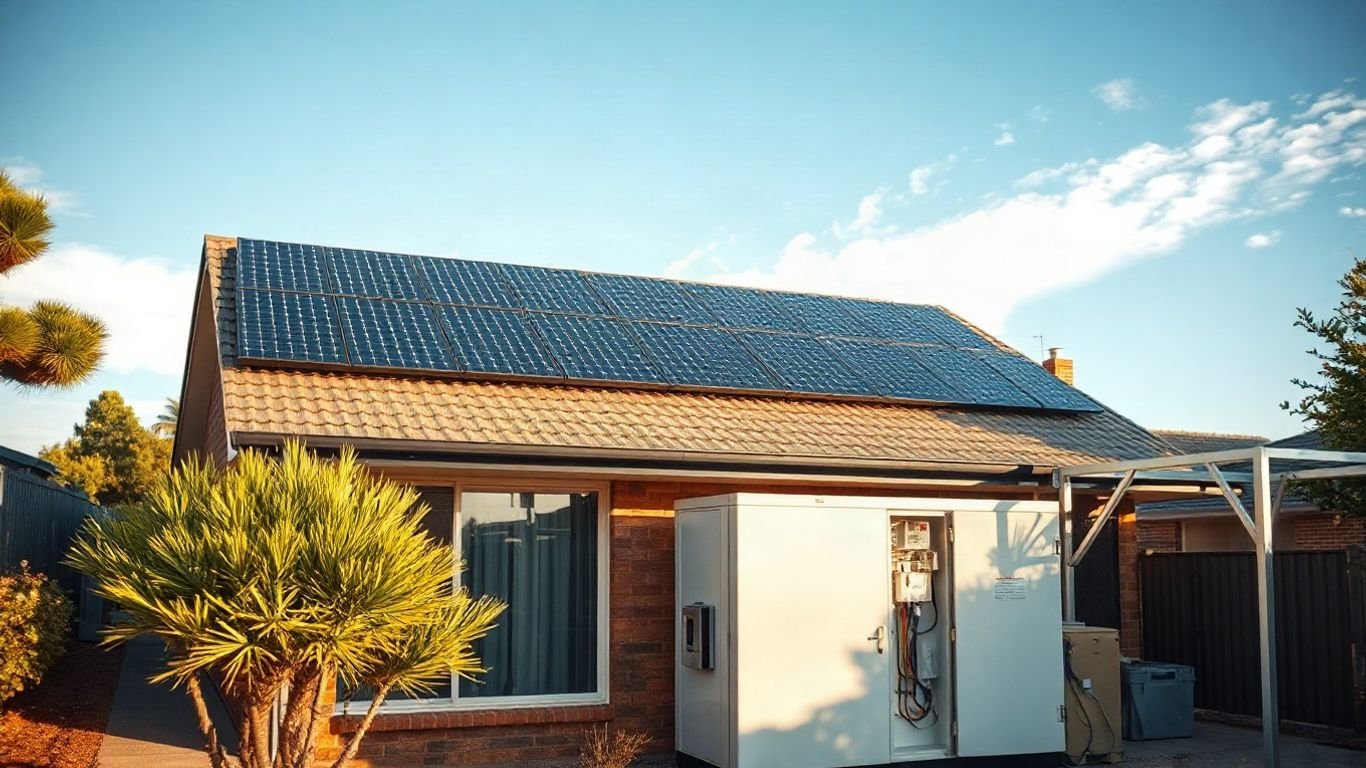
Solar electricity is generally used by appliances operating at that moment. If generation is greater than household demand, the excess may move through the meter to the electricity grid or into a battery, depending on the system design. If demand is higher than solar production, the home draws additional electricity from the grid or stored energy.
That flow can change from minute to minute as clouds pass, appliances start and stop, and the sun moves across the sky. Solar generation is therefore dynamic, not a fixed stream of power.
What happens to unused solar energy
Solar production and household consumption rarely match perfectly. A home may generate its strongest output while people are away at work or school, then use more electricity after sunset. The unused portion has several possible destinations, and each one affects the value a household receives from its system.
Using solar power in your home
The first destination for solar electricity is usually the home itself. Running appliances during daylight hours can increase the share of generated power consumed on site, reducing the amount purchased from the grid. Everyday loads such as refrigeration, pool pumps, hot-water systems and washing machines may be scheduled around solar production where practical.
This does not mean every appliance must operate at midday. It simply means that shifting flexible usage can make better use of electricity that is already being generated.
Exporting surplus electricity to the grid
When the panels produce more than the home needs, surplus electricity can be exported through a grid-connected system. The meter records the relevant electricity flow, and the retailer applies its own billing arrangements. Export limits, network rules and tariff structures can vary between locations and plans.
Exporting is convenient because it does not require a battery. However, the payment received for exported electricity is often different from the retail price charged when electricity is bought from the grid, so the two rates should not be treated as equivalent.
Storing energy in a home battery
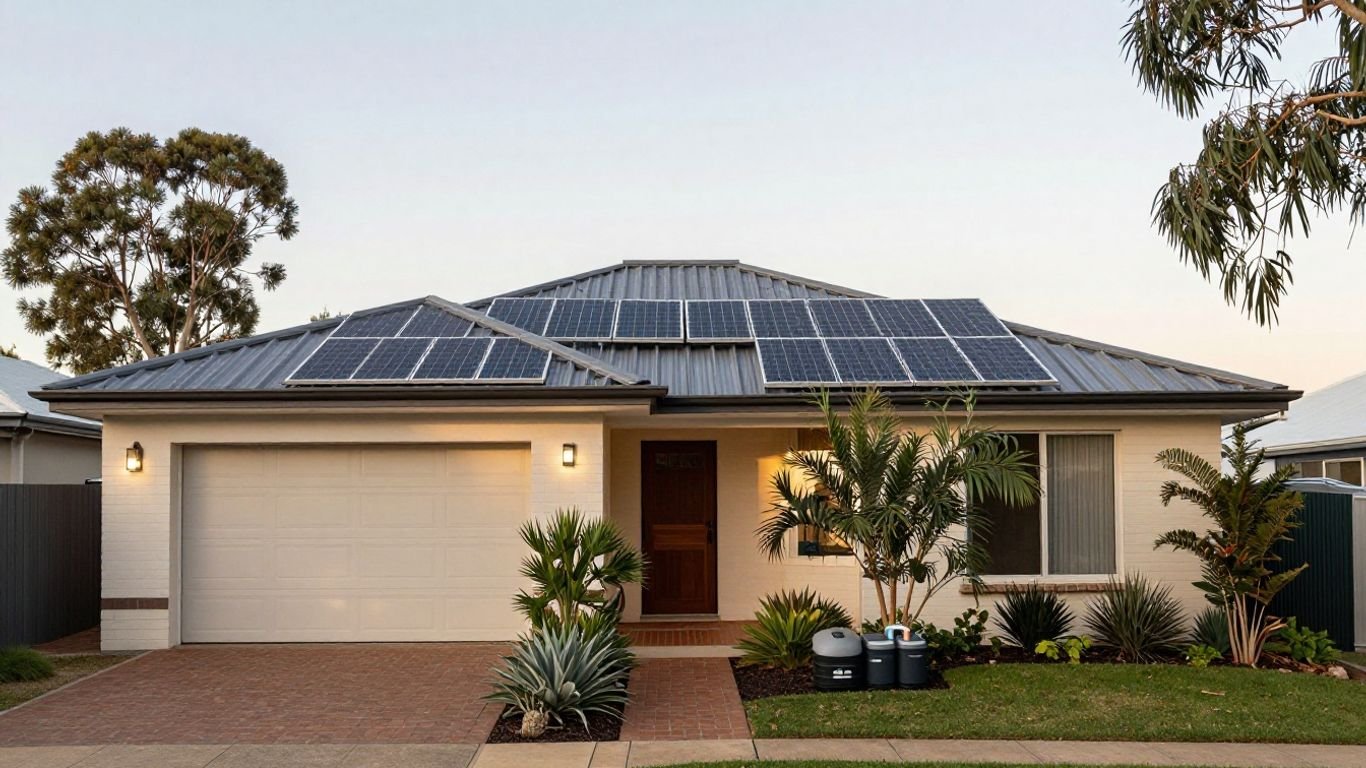
A battery can store some excess solar electricity for later use, such as in the evening or during periods of low sunlight. It can increase self-consumption, but its usefulness depends on storage capacity, charging and discharging limits, household demand, installation cost and the wider system design.
A battery is not automatically necessary for every household. The decision should follow an honest look at daily energy patterns rather than a general assumption that more equipment always means greater savings.
How feed-in tariffs affect savings
A feed-in tariff is the rate paid for electricity exported to the grid. Retailers may offer different rates and conditions, and some plans include usage charges or other fees that affect the overall bill. The financial result depends on both exported energy and the electricity still purchased from the network.
A simple comparison can keep the decision grounded:
| Solar energy destination | When it is used | Main financial effect |
|---|---|---|
| Household appliances | During solar production | Reduces grid purchases |
| Home battery | Later, when solar output falls | May reduce evening purchases |
| Electricity grid | When generation exceeds demand | Earns the applicable feed-in tariff |
| Grid supply | When demand exceeds solar output | Adds the retailer’s usage cost |
The table shows why self-consumption, storage and export should be considered together. A tariff that looks attractive in isolation may not produce the lowest total bill if the household exports a large share of its generation.
Factors that affect solar panel performance
The rated capacity printed on a panel is a useful comparison point, but it is not a promise of identical output every day. Solar generation changes with the available light and the conditions around the installation. Australian households may see meaningful differences between summer and winter, clear and overcast days, and clean and shaded roof areas.
Sunlight, weather and seasonal changes
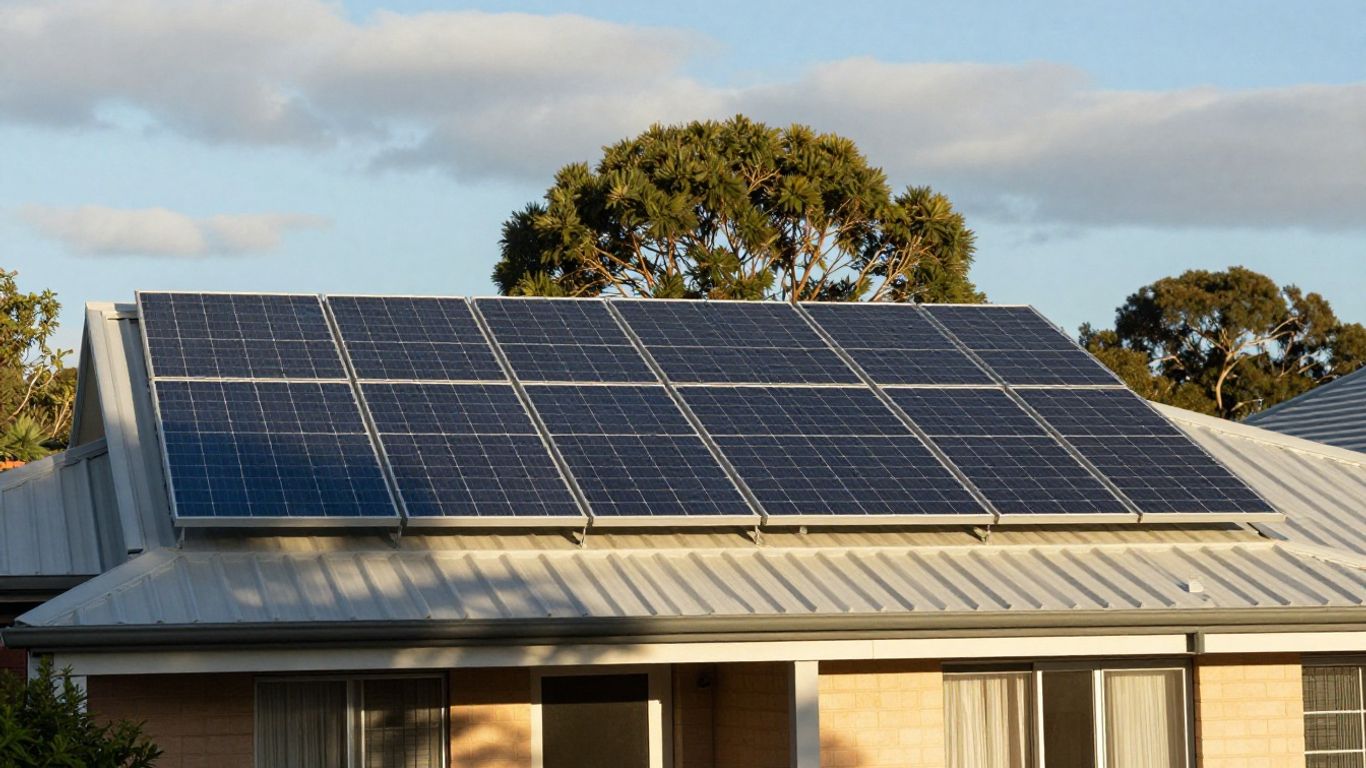
Bright, unobstructed sunlight generally provides the strongest conditions for generation. Cloud cover reduces the light reaching the cells, though it does not necessarily stop production altogether. Seasonal changes in the sun’s position and day length also alter the amount and timing of available energy.
Rain can temporarily reduce output through cloud cover, but it may also wash some surface dust away. Local climate, coastal exposure and nearby buildings all contribute to the pattern a household sees across the year.
Roof direction, pitch and shading
Roof direction and pitch affect how directly sunlight reaches the panels. The best arrangement depends on the property, local conditions and the household’s preferred generation profile. A design that produces more during the morning may suit a different home from one that favours afternoon output.
Shading from trees, chimneys, roof structures or neighbouring buildings can have a disproportionate effect, especially when several panels are connected in the same string. A site assessment should examine shadows across different times of day and seasons rather than relying on one quick observation.
Panel temperature and system efficiency
Solar panels need sunlight, but very high panel temperatures can reduce their electrical efficiency. Dark surfaces exposed to strong Australian sun can become considerably hotter than the surrounding air. Mounting arrangements that allow airflow behind the panels may help manage operating conditions, although the outcome depends on the design.
Losses can also occur through cabling, connections, conversion and equipment constraints. This is why the energy produced at the array is not always identical to the energy recorded at the home’s point of use.
Dirt, maintenance and gradual degradation
Dust, leaves, bird droppings and other deposits can block some sunlight. The effect varies with the amount of dirt, the panel angle and local weather. Panels generally need less routine attention than many household systems, but visual checks and professional inspection can identify issues that are not obvious from the ground.
A practical maintenance routine usually includes:
- Checking for visible damage, loose components or heavy buildup.
- Reviewing the inverter or monitoring platform for unusual output changes.
- Keeping nearby trees trimmed where they create avoidable shade.
- Arranging qualified electrical or solar work when a fault appears.
These steps are modest, but they help separate a normal seasonal change from a developing problem. Panels also gradually degrade over their working life, so long-term expectations should allow for some reduction in output.
How a grid-connected solar system operates
A grid-connected system works alongside the public electricity network rather than replacing it. Solar generation supplies the property when conditions allow, while the grid provides electricity when demand exceeds generation. The switchboard, meter, inverter and network connection must all work within approved electrical and safety arrangements.
The role of the switchboard and meter
The switchboard distributes electricity around the home and includes protective devices for different circuits. Solar equipment connects into this electrical arrangement through dedicated components and isolation points. The meter measures relevant imports and exports according to the setup approved by the network and retailer.
Because the equipment is interconnected, changes to an older switchboard may be needed before installation. The installer should explain what is being changed, which approvals apply and how the system will be isolated safely.
Staying connected when solar output is low
At night, during heavy cloud or when household demand is high, the home can draw electricity from the grid. This is one of the practical advantages of a grid connection: the property does not need to generate every unit of electricity it uses at every moment.
The reverse is also possible during a sunny period. Solar can meet household demand first, with extra generation exported if the system and network allow it. The balance changes continuously, often without any visible interruption to appliances.
What happens during a power outage
Most standard grid-connected solar systems shut down when the grid fails. This prevents electricity from being sent into network lines while workers may be repairing them. Solar panels may still be receiving sunlight, but the system will not normally supply the home during the outage unless it has equipment specifically designed for backup operation.
The inverter specifications and installation design determine what backup, if any, is available. Households should ask this question before purchase rather than assuming that panels alone provide emergency power.
Off-grid and hybrid system differences
An off-grid system is designed to operate without a continuing connection to the electricity network. It needs sufficient generation, energy storage and control equipment to meet demand across changing weather and seasons. Hybrid systems combine grid connection with battery storage and may include backup functions, depending on their design.
These arrangements involve different sizing decisions and operating priorities. A system intended to reduce grid purchases is not automatically suitable for a remote property that needs reliable energy without a network connection.
Choosing and maintaining a solar panel system
Choosing a system starts with the household, not with a panel catalogue. Electricity bills, daytime routines, roof space, future changes and local network requirements all shape the appropriate design. A careful proposal should explain expected generation, assumptions, equipment, approvals and ongoing costs in plain language.
Comparing system size with household energy use
A larger system can produce more electricity, but its value depends on how much energy the household uses and when it uses it. Review bills across the year, identify daytime loads and consider likely changes such as working from home, an electric vehicle or a heat-pump hot-water system.
Useful questions to ask an installer include:
- What annual generation is expected for this roof and location?
- How much electricity might the household use directly?
- What export limits or network conditions apply?
- How would a battery change the system’s operation and cost?
The answers should be based on the actual property rather than a generic household profile. For readers also considering broader Australian household finance, a home loan basics guide can help explain why ongoing repayments and energy costs should be assessed together in a property budget.
Understanding warranties and expected lifespan
Panel warranties commonly distinguish between product defects and performance over time. Inverter, battery, mounting and workmanship warranties may have different terms and conditions. Read who provides each warranty, what exclusions apply and how a claim is handled if the installer is no longer trading.
Solar equipment is expected to operate for many years, but gradual degradation and eventual replacement of some components should be part of the financial assessment. A long warranty is useful only when its terms are clear and practical to enforce.
Checking installation standards and approvals
Solar installation in Australia involves electrical safety requirements, network rules and relevant approvals. Use appropriately accredited and licensed professionals, confirm that the system is eligible for the applicable connection process, and keep records of certificates, manuals and commissioning information.
The installer should also assess roof condition, cable routes, access, isolation points and switchboard suitability. For unrelated household purchases, even a genuine Kia parts guide illustrates the broader value of checking authenticity and compatibility before buying; the same habit applies here, with solar equipment and installation documentation.
Monitoring output and identifying problems
Monitoring can show daily production, household consumption, battery status and grid imports or exports, depending on the system. A single low-production day may simply reflect cloud or shade, while a persistent change in otherwise similar conditions deserves investigation.
Record the system’s normal pattern during its first months. Then look for warning messages, unexplained gaps, damaged panels, tripped protection devices or unusual bills. Electrical faults should be assessed by a qualified professional, not repaired by a homeowner improvising on the roof.
Some household decisions involve separate compliance questions too. For example, a DBS checks guide concerns UK work placements rather than solar installations, while an ultrasonic baby humidifier guide and advice on portable room diffusers relate to indoor air and household equipment. They are useful reminders that product instructions and local requirements should always be checked for the specific item being used.
Conclusion
Solar panels work by converting sunlight into DC electricity, passing it through an inverter and directing the resulting AC power to the home, a battery or the grid. Once the system’s parts and energy flows are understood, decisions about roof design, system size, tariffs and maintenance become much easier to assess realistically.
Frequently Asked Questions
Do solar panels work on cloudy days?
Yes, they can still produce electricity when some daylight reaches the cells, although output is usually lower than on a clear day.
Do solar panels generate power at night?
No. They require sunlight, so a home uses stored energy or electricity from the grid after dark unless another generation source is available.
What is the difference between DC and AC electricity?
DC flows in one direction and is produced by photovoltaic cells. AC changes direction periodically and is the form normally used by household power points.
Can solar panels power a home during a blackout?
Usually not with a standard grid-connected system, because it must shut down for network safety. Backup-capable equipment may operate selected circuits if designed and installed for that purpose.
Is a battery necessary with solar panels?
No. A household can use solar electricity directly and export surplus power, while a battery is an optional way to store some generation for later use.
How long do solar panels last?
Panels are designed for long-term operation, but their output gradually declines and other components, particularly inverters or batteries, may need attention or replacement sooner.
How can a household improve solar self-consumption?
Use flexible appliances during daylight, review the system’s monitoring data and consider whether storage or load scheduling suits the household’s actual energy pattern.