Key Takeaways
Solar batteries gradually lose usable capacity rather than usually failing without warning. Their service life depends on chemistry, cycling, temperature, installation and day-to-day energy demand.
- Most household batteries are planned around roughly 10 to 15 years, although actual results vary.
- Lithium-ion and lithium iron phosphate batteries generally offer longer service than lead-acid systems.
- Shallower, well-managed cycling usually places less stress on a battery.
- Heat, poor ventilation, incorrect settings and undersizing can shorten battery life.
- Replacement planning should include warranty terms, installation costs and responsible recycling.
What determines solar batteries lifespan
The phrase solar batteries lifespan can mean two things: how many years the battery remains useful, and how long it can power appliances from one charge. Those are related but different questions. A battery may still operate after losing some capacity, while a heavily loaded home may exhaust a healthy battery in a few hours. Understanding both measures makes it easier to set realistic expectations.
Typical lifespan by battery chemistry
Battery chemistry is one of the first things to consider. Lithium-ion systems commonly provide a useful working life of about 10 to 15 years, depending on the model, operating conditions and usage. Lithium iron phosphate, often shortened to LFP or LiFePO4, is a lithium-based chemistry commonly chosen for its durability. Traditional lead-acid batteries can cost less initially, but their service life is often shorter, particularly when they are regularly discharged deeply.
These figures are guides rather than promises. The same chemistry can perform differently in a cool, lightly used installation compared with a hot system that cycles heavily every day. The manufacturer’s warranty and capacity guarantee should therefore be read alongside any general lifespan estimate.
Calendar life versus cycle life
Calendar life is the time a battery can remain in service from installation, even if it is not used constantly. Cycle life is the number of charge-and-discharge cycles it can complete before its capacity falls to a specified level. A battery in a regularly occupied home may be governed more by cycles, while a lightly used backup battery may age more through time and storage conditions.
One cycle is not always a simple full charge followed by a full discharge. Partial cycles may add up to a full equivalent cycle, so a system that moves a modest amount of energy every day can still accumulate cycling gradually. Ask how the warranty defines a cycle and what end-of-warranty capacity is promised.
How depth of discharge affects longevity
Depth of discharge, or DoD, describes how much of the battery’s available energy is used before it is recharged. Repeatedly using nearly the entire capacity generally creates more stress than operating within a conservative range. That does not mean the battery should be left unused; it means the control system should be configured around the manufacturer’s permitted limits.
Usable capacity is also different from the battery’s headline capacity. A system may reserve part of its stored energy to protect the cells, maintain backup readiness or manage safety. When comparing systems, look at usable kilowatt-hours and the permitted DoD rather than relying on the larger number printed in a brochure.
Understanding capacity fade over time
Capacity fade is a gradual reduction in the amount of energy a battery can store and deliver. You may notice that the system reaches its upper charge level sooner, or that evening loads use a larger share of the stored energy. Performance can also vary with temperature, so one unusual reading is not enough to prove that the battery is failing.
A useful comparison is to track delivered energy under similar conditions over several months. This is more informative than comparing a single winter day with a hot summer day. Capacity is a moving measure, not a fixed promise, and the warranty threshold provides a more meaningful reference point than age alone.
How long different solar batteries last
There is no single answer for every Australian home. Battery size, climate, backup priorities and the number of daily cycles all influence the result. The table below offers broad planning ranges, not a substitute for the specifications of a particular system.
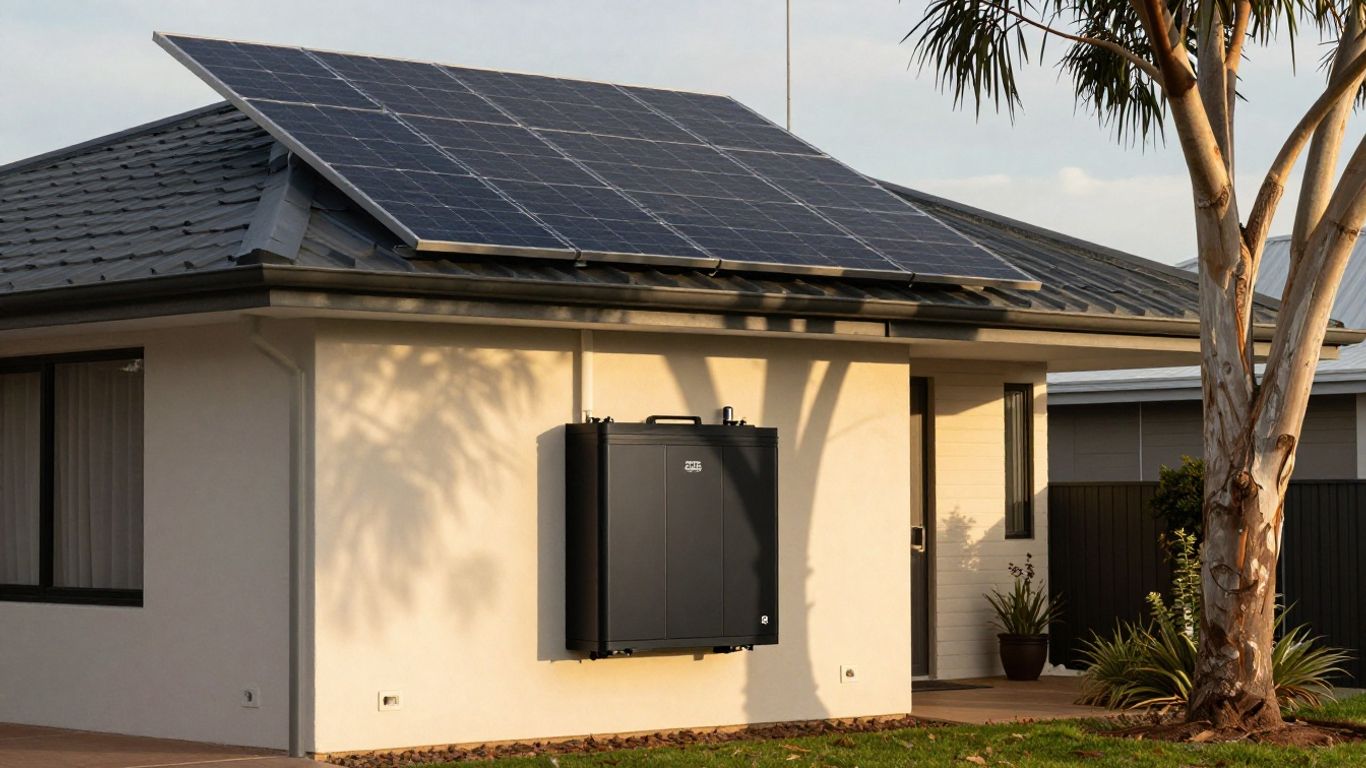
The key distinction is between expected service life and guaranteed performance. A battery can continue working after its warranty period, but it may store less energy and provide shorter backup. For a useful local explainer, compare this guide with a solar battery lifespan guide, while checking the original manufacturer documentation before making a purchase.
Lithium-ion battery lifespan
Lithium-ion is widely used in residential energy storage because it offers a relatively high energy density and can support regular cycling. Many systems are designed for around 10 to 15 years of service, although the actual result depends on temperature, charge limits, installation quality and how often the battery is used.
A lithium-ion battery should not be judged only by its first-year performance. Review its usable capacity, efficiency, cycle warranty, safety controls and support arrangements. These details show how the system is intended to perform over time.
Lithium iron phosphate battery lifespan
Lithium iron phosphate is a lithium-ion chemistry frequently selected for stationary storage. It is commonly associated with long cycle life and stable operation, but it still needs suitable temperature control, correct charging and a compatible battery management system. A longer theoretical cycle life does not remove the need for sensible operating conditions.
When comparing LFP products, check the warranty’s minimum retained capacity and the conditions attached to the cycle figure. Installation location matters in Australia, particularly where a battery enclosure may be exposed to prolonged summer heat.
Lead-acid battery lifespan
Lead-acid batteries remain relevant in some budget-conscious, off-grid and backup applications. Their service life can be shorter than lithium alternatives, especially when they are frequently discharged deeply or left in a poor state of charge. They also tend to need more attention to ventilation and operating conditions.
The lower purchase price can look attractive, but replacement frequency and maintenance should be included in the total cost. A system that appears cheaper at installation may not be cheaper across its full working life.
Comparing warranties and expected performance
Warranty documents are often the clearest way to compare batteries. They may specify years, cycles, throughput, minimum retained capacity or a combination of these. They can also set requirements for installation, temperature, software, approved installers and operating limits.
| Battery type | Broad planning range | Main comparison point | Typical concern |
|---|---|---|---|
| Lithium-ion | 10–15 years | Usable capacity and cycle warranty | Heat and high cycling |
| Lithium iron phosphate | Often 10+ years | Retained capacity and cycle limit | Incorrect charge settings |
| Lead-acid | Often shorter | DoD and maintenance requirements | Deep discharge |
| Any chemistry | Warranty-dependent | Service and replacement terms | Conditions and exclusions |
Read the warranty as a practical operating guide, not just a marketing number. For context, even unrelated equipment such as DBS checks shows why a stated period does not automatically mean every situation is identical: terms, renewal conditions and use case still matter.
Factors that shorten or extend battery life
A battery’s surroundings and workload can matter as much as its chemistry. Australian homes can experience large seasonal temperature swings, and a battery installed in a cramped or sun-exposed location may face avoidable stress. Daily demand also changes as households add air conditioning, pool pumps, electric vehicles or other major loads.
Good design reduces those pressures before they become maintenance problems. The installer should assess the home’s load profile, the solar array, the inverter and the intended backup circuits together. Treating the battery as an isolated box is a common source of disappointing performance.
Temperature and battery ventilation
Heat accelerates many battery ageing processes, while very cold conditions can restrict charging or reduce available output. Follow the manufacturer’s permitted temperature range and avoid locations exposed to direct afternoon sun, flooding or persistent moisture. Ventilation requirements differ between chemistries and products, so they should be taken from the installation instructions.
Do not enclose a battery in a cupboard simply to keep it out of sight. A qualified installer can recommend a suitable position with clearances, protection from weather and access for inspection. For broader household maintenance thinking, the role of airflow is also familiar in a roofing journey, where attic ventilation can affect the condition of a building’s roof system.
Charging and discharging patterns
Frequent deep discharges, prolonged time at a very high or very low state of charge, and charging outside the permitted limits can all reduce useful life. Energy management software may adjust operation automatically, but the settings still need to suit the battery and the household’s priorities.
A sensible routine starts with understanding what the battery is being asked to do. Useful checks include:
- whether it cycles every day or mainly during outages;
- whether evening demand regularly empties the usable capacity;
- whether backup reserves are set higher than the household needs;
- whether new appliances have changed the load profile.
These observations help distinguish normal use from an incorrectly sized or configured system. They also give an installer better information if settings need to be reviewed.
System sizing and daily energy demand
A battery that is too small for the household may cycle deeply and frequently, while a battery that is much larger than the daily load may spend long periods underused. Neither situation is automatically harmful, but both can affect value and operating behaviour. Sizing should reflect when electricity is used, not just how much solar is generated at midday.
Essential backup loads should be identified separately from discretionary loads. Refrigeration, lighting, communications and selected medical equipment may have different priorities from heating, pool equipment or large cooking appliances. A clear load list makes the expected backup duration more realistic.
Installation quality and inverter compatibility
The battery, inverter, protection equipment and monitoring platform must work together within their approved specifications. Poor cable selection, inadequate isolation, incorrect configuration or an unsuitable location can create performance and safety problems. Installation should be completed and commissioned by an appropriately qualified professional.
Keep the commissioning records, serial numbers, warranty documents and system settings. If a fault appears later, those records can save time. This is much like maintaining a vehicle with Kia parts and service intervals: the relevant equipment, specifications and maintenance history all contribute to reliable operation, but the comparison is only an analogy, not a claim about battery systems.
How to maintain a solar battery system
Most maintenance is observational rather than mechanical. Homeowners should know what normal state-of-charge patterns look like, keep the area around the battery clear and respond promptly to alerts. Do not open the battery enclosure or attempt electrical repairs yourself.
A simple record of performance can reveal gradual change before it becomes an outage problem. Local Insight’s role is to make practical Australian information easier to act on, so the useful habit here is straightforward: learn the system’s normal behaviour, then investigate meaningful deviations.
Monitoring state of charge and performance
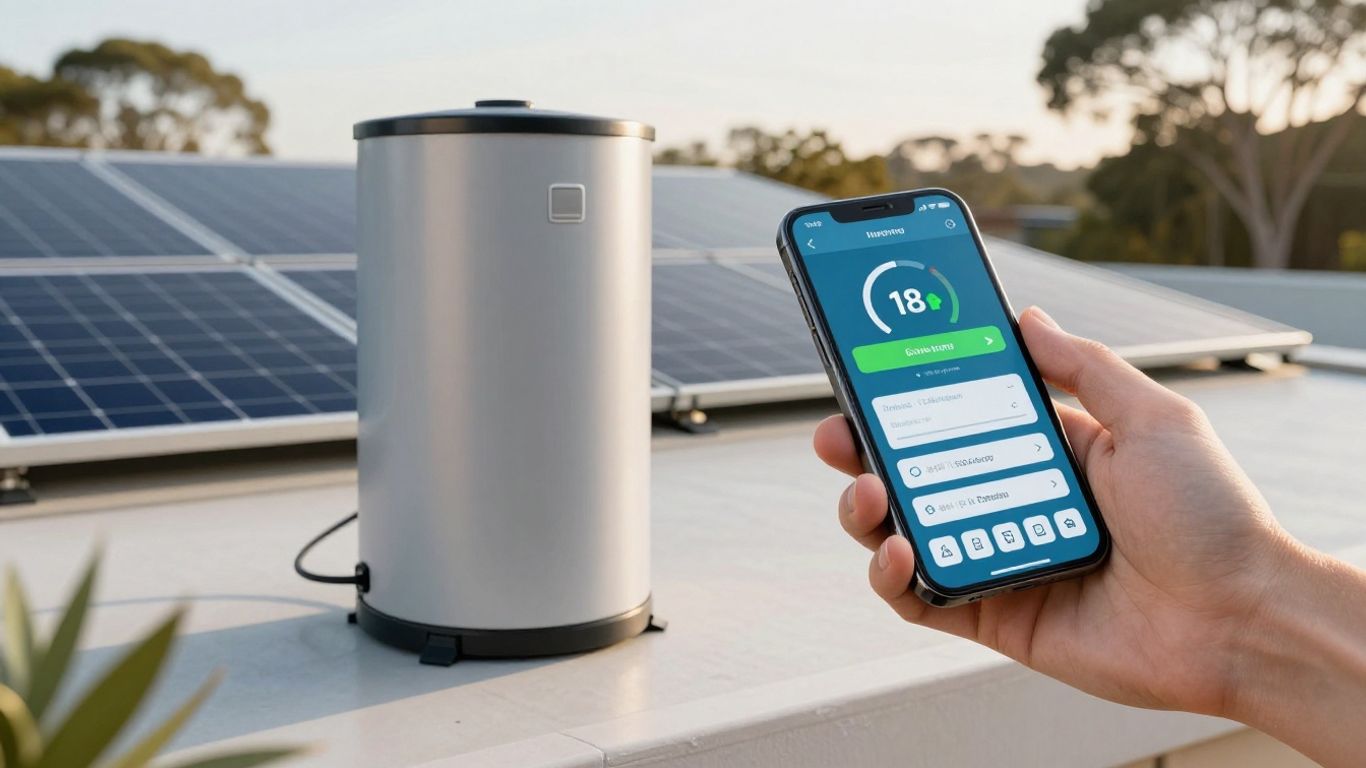
Use the approved monitoring app, inverter display or energy-management portal to review charge level, solar input, household consumption and battery output. Look for trends rather than reacting to one unusual day. Weather, seasonal loads and a grid outage can all produce temporary changes.
A falling usable capacity, repeated failure to reach the expected charge level or unexplained changes in efficiency deserves attention. Monitoring also helps explain whether a battery is being used for self-consumption, time shifting or backup reserve. A Suavinex bath thermometer is an unrelated example of why interpreting a reading requires stable conditions; it is not a solar monitoring device.
Setting safe charge limits
Charge and discharge limits should remain within the battery maker’s specifications. Avoid changing advanced settings simply to gain a little more short-term capacity. The battery management system is designed to protect the cells, and overriding its limits can affect safety, warranty coverage and performance.
If electricity prices, solar production or household demand change, ask a qualified installer whether the operating profile should be reviewed. A small adjustment may be appropriate, but it should be based on the system’s documentation rather than a generic online setting.
Keeping the battery in a suitable environment
Keep vegetation, stored goods and cleaning equipment away from the enclosure. Check that vents and access areas are not blocked, and look for water ingress, corrosion or signs of impact. Outdoor units should remain protected as specified by the manufacturer, including any required shade or weather protection.
Avoid pressure washing near the battery and do not place combustible materials against it. If the unit becomes unusually hot, smells abnormal or makes unexpected sounds, keep people away and follow the emergency instructions supplied with the system.
Scheduling inspections and software updates
Arrange inspections according to the manufacturer’s guidance and local electrical requirements. An inspection may include connections, protection devices, enclosure condition, firmware, fault history and the accuracy of monitoring data. Software updates can improve compatibility or correct known issues, but they should be applied through approved channels.
Store invoices, inspection reports and update records in one place. Those documents are useful for warranty discussions and when the property changes hands. They also make future replacement planning less rushed.
Signs your solar battery may need replacing
Battery ageing is usually gradual, so the first signs can be easy to dismiss. A shorter evening supply may reflect higher household demand rather than battery failure. Compare current performance with earlier records and check whether solar production, weather or backup settings have changed.
Persistent changes, repeated faults or visible damage justify professional assessment. Do not assume that a battery needs replacing solely because it has reached a particular birthday; condition and retained capacity are more useful indicators.
Reduced storage capacity
A battery may be approaching the end of its useful life when it consistently stores or delivers much less energy than it once did under comparable conditions. Confirm that the monitoring system is reporting usable capacity rather than nominal capacity. Also check whether a software setting or backup reserve is limiting the apparent output.
A qualified technician can compare the system’s history with the warranty threshold. If capacity remains above that threshold, replacement may not yet be necessary, although the battery may no longer meet the household’s original expectations.
Shorter backup times
Shorter backup can result from capacity fade, but it can also follow the addition of a new appliance or a change in which circuits are protected. During an outage, high-load equipment can drain storage quickly. Review the essential-load list before concluding that the battery itself has deteriorated.
If the battery once supported a familiar set of appliances and now cannot do so under similar conditions, record the duration, load and state of charge. This gives an installer a useful starting point for diagnosis.
Unexpected shutdowns or fault messages
Repeated shutdowns, warning codes, isolation alerts or communication failures should not be ignored. Some faults are caused by the inverter, wiring, network connection or software rather than the battery cells. Follow the user manual’s reset instructions only when it specifically permits a homeowner reset.
If an alert returns, contact the installer or authorised service provider. Never remove covers, bypass protection or continue operating equipment that has been isolated for safety reasons.
Physical damage and safety warning signs
Cracks, swelling, leaking material, burn marks, smoke, unusual heat or a strong chemical smell require immediate caution. Keep people and pets away, avoid touching the equipment and call emergency services if there is fire or an immediate danger. Use the manufacturer’s emergency procedure from a safe location.
Even less dramatic damage, such as impact or water entry, should be assessed before the system is used again. A battery enclosure is not a DIY repair project. Safety takes priority over recovering a day’s stored energy.
How to plan for solar battery replacement
Replacement is easier when it is treated as a normal stage of the solar system’s life rather than an emergency purchase. Solar panels, inverters and batteries age on different schedules, so a battery replacement may happen while the rest of the system remains serviceable. Begin by reviewing performance, warranty status and the household’s current energy needs.
Prices, available products and installation requirements change over time. Australian households should obtain current quotes and confirm whether the proposed replacement is compatible with the existing switchboard, inverter, solar array and backup circuits.
Estimating replacement costs in Australia
A replacement quote may include the battery, electrical work, labour, commissioning, monitoring setup, disposal and any switchboard or compliance changes. A like-for-like swap is not always possible, particularly if the original product is discontinued. Ask for each component to be itemised so the comparison is fair.
Allow for site-specific costs rather than relying on a headline battery price. Access, cable runs, wall or floor mounting, protection equipment and regional travel can all affect the final figure. It is also worth checking current rebates or finance arrangements through official Australian sources before making assumptions.
Comparing repair, replacement and expansion
Repair may be sensible when the issue is a sensor, connection, software fault or another replaceable component. Replacement is more likely when the battery has substantial capacity fade, repeated cell faults or physical damage. Expansion can work when the existing system is healthy, but it must be approved for the battery model, inverter and control system.
Compare the options using the same questions:
- What usable capacity will be available after the work?
- What warranty applies to the repaired, expanded or new system?
- Will backup circuits and inverter limits remain suitable?
- What is the expected cost over the next several years?
The cheapest immediate option may not provide the best fit for changed household demand. A written assessment helps separate a genuine repair from a short-term patch.
Recycling and disposing of old batteries
Do not place a solar battery in household rubbish or take it to a general recycling bin. Battery chemistry, size and condition determine how it should be transported and processed. Ask the installer or manufacturer about approved collection and recycling pathways in your state or territory.
Damaged batteries require additional care during handling and transport. Keep the unit isolated as directed and tell the service provider about any swelling, heat, leakage or impact. Responsible disposal protects waste workers and supports the recovery of useful materials.
Choosing a replacement battery for your solar system
Start with the system around the battery, not with a capacity number alone. Check inverter compatibility, usable kilowatt-hours, continuous output, backup requirements, operating temperature, warranty conditions, monitoring and installer support. If your household has changed, revisit the load profile before choosing the replacement size.
A portable diffuser is selected around portability, coverage and maintenance; a battery requires a far more technical compatibility check. The analogy is limited, but the principle is useful: match the equipment to the job rather than choosing from one headline feature. Local Insight encourages readers to compare written specifications and independent installation advice before committing.
Conclusion
Solar batteries can provide many years of useful service when their chemistry, operating limits, environment and household load are properly matched. Track capacity and backup performance, respond to faults early and plan for eventual replacement, including the full Australian installation and recycling costs. That practical approach makes the system easier to manage and reduces unpleasant surprises.
Frequently Asked Questions
How long do solar batteries usually last?
Many household batteries are planned around 10 to 15 years, but the actual life depends on chemistry, cycling, temperature, installation and warranty conditions.
Do solar batteries stop working suddenly?
Usually not. Most gradually lose usable capacity, although a fault, physical damage or safety event can cause an abrupt shutdown.
Is lithium iron phosphate better for solar storage?
Lithium iron phosphate can offer strong cycle durability and is widely used for stationary storage, but the right choice depends on the system design, warranty, budget and installation conditions.
Does using more of a battery shorten its life?
Frequent deep discharge can increase battery stress. Staying within the manufacturer’s recommended depth-of-discharge and charge limits generally supports better long-term operation.
How long will a solar battery run a home during an outage?
It depends on usable capacity and the appliances connected to backup circuits. Essential loads may run for many hours, while high-demand appliances can use stored energy much faster.
Can a solar battery be repaired?
Some problems involve connections, software, sensors or related equipment and may be repairable. Cell degradation or physical damage may make replacement the safer or more practical option.
What should happen to an old solar battery?
It should be handled through an approved installer, manufacturer or recycling pathway. Never place a solar battery in household rubbish or a standard recycling bin.