Key Takeaways
Double AA batteries remain a practical power source for many household devices, but the best choice depends on the device, how often it is used and how the spent cells will be handled.
- AA refers to a standard battery size, not one single chemistry.
- Alkaline, rechargeable and lithium AA batteries suit different patterns of use.
- Matching voltage, capacity and current needs helps avoid poor runtime.
- Safe storage and correct polarity reduce the risk of damage.
- Used batteries should go to an appropriate recycling or collection point.
Understanding double AA batteries
Double AA batteries are a familiar part of everyday life, from the remote in the lounge room to a torch in the kitchen drawer. The size is standardised, while the chemistry inside can vary considerably. That difference affects voltage, runtime, price and storage life. A little attention at the buying stage can prevent a lot of trial and error later.
What the AA size means
AA describes the physical format of a cylindrical cell rather than its chemical contents. An AA cell is generally around 50 millimetres long and 14 millimetres wide, although exact dimensions and terminal details can vary within the relevant standards. The same size may be sold as disposable or rechargeable, so the label should be read beyond the letters “AA”.
The term double A is simply another way of referring to the same size. A device designed for AA cells will usually specify the acceptable battery type in its instructions, particularly if it has unusual voltage or charging requirements.
How AA batteries differ from AAA batteries
AAA batteries are narrower and hold less material than AA batteries, so they are commonly used where a device has a smaller battery compartment. AA cells are physically larger and can often provide more capacity, but neither size is automatically better. The correct choice is the one that fits the device and matches its electrical requirements.
Never force an AA cell into a AAA compartment, or use an improvised spacer to make a battery fit. A poor fit can damage contacts and make removal difficult.
Common devices that use AA batteries
Household uses include clocks, remote controls, children’s toys, computer accessories, torches, some cameras and selected medical or measuring devices. A low-drain clock may run for a long time on ordinary alkaline cells, while a motorised toy or flash may place greater demands on the battery.
Look inside the battery compartment before buying replacements. The moulded markings normally show the number of cells required and the direction of the positive and negative ends.
Voltage, capacity and battery chemistry
Disposable alkaline AA batteries are commonly rated around 1.5 volts when new, while nickel-metal hydride rechargeable cells are commonly around 1.2 volts. That difference is acceptable for many devices, but the manufacturer’s instructions should take priority. Capacity is usually expressed in milliamp-hours for rechargeable cells, although real-world runtime also depends on the device’s load and cut-off behaviour.
A useful reference is AA battery information, which covers the standard size, common chemistries and battery designations. Treat capacity figures as a guide rather than a promise of identical performance in every device.
Choosing the right double AA batteries
Choosing double AA batteries is mostly a matter of matching the cell to the job. A remote control used occasionally has different needs from a camera flash, game controller or frequently used torch. Consider purchase price, likely runtime, storage conditions and whether you are comfortable maintaining a rechargeable set. There is no universal winner.
Alkaline batteries for everyday devices
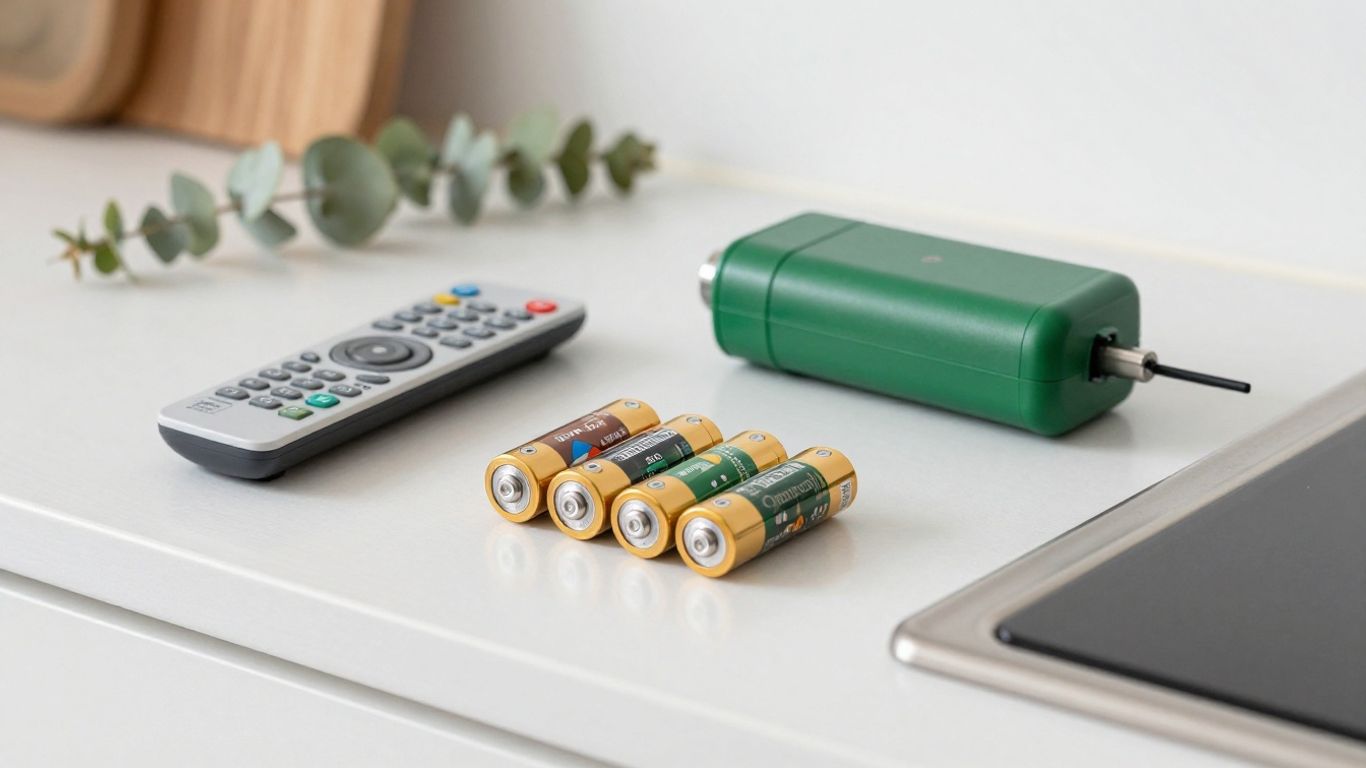
Alkaline cells are widely available and convenient for low- to moderate-drain devices. They are a straightforward option for remotes, wall clocks and occasional-use toys, especially when the device manufacturer lists alkaline batteries as suitable. Buy a sensible pack size and avoid storing loose cells where their terminals can touch metal objects.
For a product example, Energizer MAX AA Batteries is described as a six-pack of alkaline AA batteries for devices such as remotes, clocks, toys and games. Its listing also states a 12-year shelf life and Powerseal Technology intended to protect devices from damaging leaks for up to two years after use; those are product claims, so follow the maker’s directions and warranty information.
Rechargeable batteries for frequent use
Rechargeable nickel-metal hydride cells can make sense when a device uses batteries often. The initial outlay is higher, but the same cells can be used repeatedly when charged with a compatible charger. They are particularly practical for controllers, toys, photographic accessories and other equipment that would otherwise consume disposable cells quickly.
Keep rechargeable cells together as a set and label them if several sets look alike. This makes it easier to rotate them evenly and identify a cell that begins losing charge much sooner than its companions.
Lithium batteries for demanding conditions
Lithium AA cells are often considered where low weight, long storage or operation in difficult temperatures matters. They are not interchangeable with every rechargeable lithium product, and a lithium-ion cell must never be placed in a device unless that exact cell type is approved. Read the packaging carefully because “lithium” can describe different technologies.
For travel, protect spare cells from short circuits and check the airline’s current rules. Guidance on carrying dry batteries explains why batteries should be protected from damage, sparks and heat during air travel.
Matching battery type to device requirements
Start with the device manual, then consider how it behaves in use. A device with a motor, bright light or wireless connection may need more current than a clock or remote. Some electronics also have minimum voltage requirements that affect whether a 1.2-volt rechargeable cell performs satisfactorily.
A simple decision process helps:
- Choose the chemistry specifically approved by the device maker.
- Estimate how often the device will be used and replaced.
- Consider whether the cells will sit unused for months.
- Check temperature, charging and transport requirements.
This approach is more reliable than choosing solely by pack price. It also avoids buying a large quantity of cells that are poorly suited to the equipment.
Comparing battery performance and value
Battery value is more than the number printed on the packet. Runtime, replacement frequency, storage life and the cost of a charger can change the overall calculation. Marketing language may sound impressive, but the device’s power demand remains the deciding factor. Compare like with like wherever possible.
Upfront price versus long-term cost
Disposable batteries usually cost less at the checkout and require no charger. Rechargeable cells cost more initially, yet may become less expensive per use when they are charged and reused regularly. If a device is used only a few times a year, the convenience of a disposable cell may outweigh the financial benefit of recharging.
A fair comparison includes the charger, electricity, replacement rate and the number of cells needed at once. It is also sensible to consider whether you already own compatible rechargeable equipment.
Shelf life and storage performance
Shelf life describes how well a battery retains its charge while stored, but it does not guarantee perfect performance after years in a hot shed. Keep batteries in their original packaging in a cool, dry place. Avoid cupboards beside ovens, hot-water systems or direct sun.
Inspect stored cells occasionally, particularly if they are in a device that is rarely used. Corrosion or a sticky residue is a reason to remove the batteries promptly and clean the device only according to its instructions.
Capacity, current output and runtime
Capacity gives an indication of how much charge a cell can hold under specified test conditions. Current output describes how readily it can supply power, which matters more for high-drain devices. Runtime depends on both factors, as well as the device’s circuitry, temperature and age.
The following broad comparison is useful, though the figures and performance vary between products:
| Battery type | Typical nominal voltage | Common strength | Practical limitation |
|---|---|---|---|
| Alkaline | 1.5 V | Convenient and widely available | Disposable and sensitive to leakage if left too long |
| NiMH rechargeable | 1.2 V | Reusable for frequent-use devices | Needs a suitable charger and periodic care |
| Lithium primary | About 1.5 V | Low weight and useful storage performance | Higher price and specific disposal needs |
These categories help narrow the choice, but the instructions for the individual device still come first. A battery that looks ideal on paper may not suit equipment designed around a particular voltage profile.
Recognising marketing claims that matter
Look for information that can be applied to your situation: chemistry, nominal voltage, stated shelf life, compatibility, pack size and safety instructions. Phrases such as “long lasting” are difficult to assess without a test method or comparison point. The device remains the judge of whether a claimed advantage matters.
Independent user reviews can reveal practical issues, but they should not replace the manufacturer’s technical information. If two products are otherwise similar, availability and a clear recycling pathway may be more useful than a vague performance promise.
Using double AA batteries safely
Correct handling is simple, but small mistakes can damage a device or create a safety problem. Check the markings before installation and do not treat different battery types as interchangeable. Batteries also deserve attention when equipment is stored for a long time. These habits take seconds and can prevent leaks, heat and corrosion.
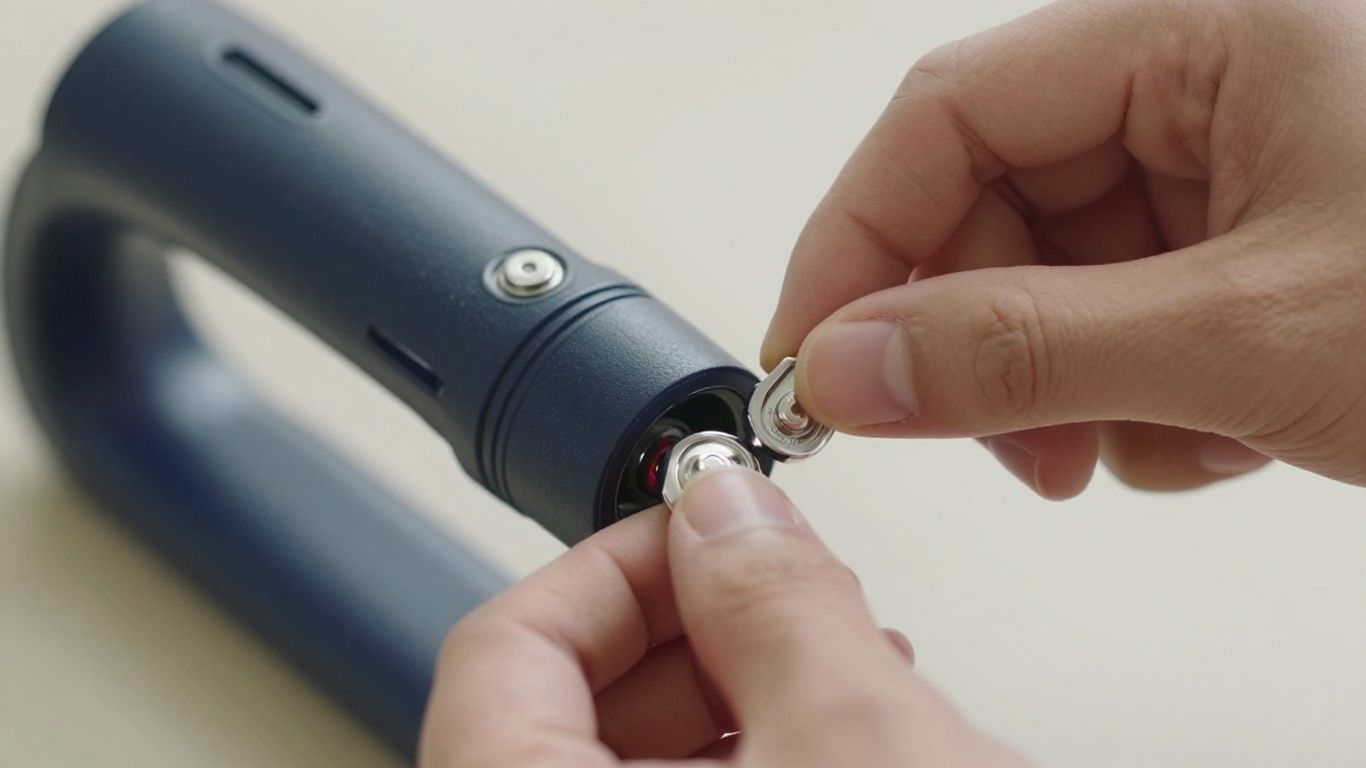
Installing batteries with the correct polarity
The positive end is usually marked with a plus sign and a raised button, while the negative end is flat. Match these marks with the symbols inside the compartment rather than relying on the direction of the old batteries. If a cell does not slide in easily, stop and check the orientation instead of pushing it into place.
Close the compartment securely and test the device normally. If it does not work, remove the cells before trying another arrangement, and check for damaged springs or corroded contacts.
Avoiding mixed batteries and chemistries
Do not mix old and new cells, brands, capacities or chemistries in the same device. Different cells can discharge at different rates, forcing one to work harder and increasing the chance of leakage or poor performance. Replace all cells together when the device requires more than one.
The same caution applies to rechargeable sets. Use cells of the same type and age where possible, and never attempt to recharge a primary alkaline or lithium cell unless its packaging explicitly says it is rechargeable.
Preventing leaks, overheating and damage
Remove batteries if a device will be stored for an extended period, especially in a warm environment. Keep cells away from water, flames and loose metal objects, and stop using any cell that becomes unusually hot, swollen or damaged. Never dismantle, crush or puncture a battery.
If a device has leaked, ventilate the area and avoid touching residue with bare skin. Follow the device maker’s cleaning advice, because alkaline residue and corrosion can affect contacts differently.
Checking devices that are not used often
Seasonal decorations, emergency torches and rarely used toys are easy to forget. Add a battery check to a household maintenance routine and inspect compartments for corrosion or residue. Test emergency equipment periodically so a flat cell is not discovered during a power cut.
If batteries are stored outside a device, keep them in a dry container with their packaging intact. A frugal household guide can also help frame battery buying as part of reducing waste and avoiding unnecessary repeat purchases, rather than simply buying the biggest pack.
Getting the best results from rechargeable AA batteries
Rechargeable AA batteries reward a little organisation. Their performance depends on the charger, the charging routine and how they are stored between uses. They are not maintenance-free, but the routine is manageable for most households. Use the instructions supplied with both the cells and charger.
Selecting the right charger
Choose a charger designed for the exact chemistry and size of your rechargeable cells. A charger should provide clear status information and appropriate protection against overcharging, overheating and incorrectly inserted cells. Do not assume a charger for one rechargeable chemistry is suitable for another.
Charge cells on a stable, non-flammable surface with ventilation. If a battery or charger becomes abnormally hot, unplug it and allow it to cool before checking the instructions or contacting the manufacturer.
Understanding charging cycles and battery memory
A charging cycle is broadly one full use and recharge, although partial charges may count as fractions of a cycle. Modern NiMH batteries generally do not require the old-fashioned routine of fully discharging them every time. Repeated deep discharge can be harder on a cell than ordinary, timely recharging.
Use the charger’s normal programme rather than improvising with timing. If the cells show sharply reduced runtime after a full charge, the issue may be age, damage, poor contact or an unsuitable charger.
Storing rechargeable batteries between uses
Store rechargeable cells in a cool, dry place away from children and metal objects. Avoid leaving them permanently in a hot vehicle or direct sunlight. Keeping each set together makes it easier to charge and use the cells evenly.
A rechargeable cell may slowly lose charge while sitting unused, so top it up before an important outing. Do not store a cell that is hot, swollen or visibly damaged.
Knowing when a rechargeable battery needs replacing
A rechargeable battery may be nearing the end of its useful life when it charges unusually quickly, runs for much less time or becomes hot during ordinary charging. Physical damage, swelling or leakage is a clear reason to stop using it. Replace the affected cell rather than mixing it back into a healthy set.
Take old rechargeable cells to a battery collection service instead of placing them in the household rubbish. Keep them separate from loose metal while waiting for collection.
Recycling and disposing of double AA batteries
Used batteries contain materials that need controlled handling, and some types can create fires when damaged or short-circuited. Disposal rules and collection services can vary between Australian councils and states. The safest approach is to use a recognised battery recycling point or follow local council instructions. Do not leave used cells loose in a general waste bin.
Why batteries should not go in household rubbish
Batteries can be crushed by collection or sorting equipment, allowing their terminals to contact other metal and create heat. Rechargeable lithium-containing batteries have particular fire risks, but all battery types should be handled thoughtfully. Keeping them out of household rubbish protects waste workers, equipment and the environment.
For larger clean-outs, planning disposal in advance is useful; this property clean-out guide discusses sorting waste, identifying restricted materials and coordinating removal services. Its broader lesson applies here: separate items early rather than mixing everything together.
Preparing used batteries for collection
Before taking batteries to a collection point, check its accepted types and preparation requirements. Keep cells dry and place loose batteries in a non-metal container. For extra protection, cover exposed terminals with non-conductive tape, particularly on lithium and rechargeable cells, while avoiding damage to the battery itself.
Do not dismantle batteries or put them in water. Store the collection container somewhere cool and inaccessible to children until it can be dropped off.
Finding battery recycling points in Australia
Battery collection points may be available through council facilities, transfer stations, retailers, community recycling programmes or specialist services. Search your local council website for current instructions, because accepted chemistries and drop-off arrangements can change. Some services accept household quantities only.
When travelling between regions, do not assume a familiar scheme operates in the same way. Confirm the location and accepted battery type before making a trip, and keep batteries safely contained during transport.
Handling leaking or damaged batteries safely
Do not handle a leaking, swollen, ruptured or hot battery more than necessary. Keep it away from people, pets, flammable materials and other batteries, and seek advice from the local council or an appropriate hazardous-waste service. Wear suitable protective gloves if the instructions for the product or service recommend them, and wash your hands after any contact.
If a damaged cell is smoking or appears to be catching fire, move people away and call emergency services. Never put yourself at risk trying to retrieve it from a device or container.
Conclusion
The right double AA batteries are the ones that suit the device, the pattern of use and the conditions in which they will be stored. Check the chemistry and polarity, avoid mixing cells, remove batteries from seldom-used equipment and send spent batteries to a recognised Australian collection point. A few careful habits make everyday battery use safer, cheaper and less wasteful.
Frequently Asked Questions
Are AA and double A batteries the same thing?
Yes. AA and double A are two common names for the same physical battery size, although the chemistry and performance can differ between products.
Can rechargeable AA batteries replace alkaline batteries?
Often, but not always. Rechargeable cells commonly have a lower nominal voltage, so check the device instructions and use only a compatible rechargeable chemistry.
Should old and new AA batteries be mixed?
No. Mixing old and new cells can cause uneven discharge and increase the chance of poor performance or leakage. Replace the full set in a multi-cell device.
How should AA batteries be stored?
Keep them in a cool, dry place away from direct sunlight, heat, children and loose metal objects. Store spare cells in their original packaging where possible.
Can batteries be left inside a device?
For equipment that will not be used for an extended period, removing the batteries is generally sensible. It reduces the chance that a leak will damage the contacts.
Can used AA batteries go in the general bin?
They should not. Use a recognised battery recycling or collection service and follow its instructions for accepted types and safe preparation.
What should I do with a leaking battery?
Avoid direct contact, keep the battery away from people and flammable materials, and contact your local council or a suitable hazardous-waste service for disposal advice. If it is hot, smoking or burning, move away and call emergency services.