Key Takeaways
A lithium ion battery stores and releases energy by moving lithium ions between two electrodes. Its chemistry affects performance, lifespan, safety and cost, so the right choice depends on the device and how it will be used.
- Lithium ion batteries are rechargeable and found in phones, vehicles, tools and energy storage systems.
- Different chemistries balance energy density, safety, power, lifespan and price in different ways.
- Compatible chargers, sensible storage and avoiding heat reduce safety risks and unnecessary wear.
- Swelling, leaking, smoke, unusual heat or physical damage are reasons to stop using a battery.
- Used batteries should go to a proper recycling service, never into household rubbish or kerbside recycling.
What a lithium ion battery is and how it works
A lithium ion battery is a rechargeable energy storage device. It produces electrical power through a reversible chemical process in which lithium ions move between two electrodes. That basic idea is simple, but the materials, cell design and battery management system determine how much energy the pack can store and how safely it can deliver it.
Unlike a disposable battery, a rechargeable cell is designed to repeat this movement many times. The process is not perfectly reversible, though, and every charge and discharge gradually changes the materials inside. Understanding the main parts makes the benefits and limitations easier to follow.
The main components inside the battery
Most lithium ion cells contain a positive electrode called the cathode, a negative electrode called the anode, an electrolyte and a separator. The electrodes are commonly made from compounds that can host lithium ions, while the electrolyte allows ions to travel between them. The separator keeps the electrodes apart so they do not directly touch and short-circuit.
A single cell may be cylindrical, prismatic or pouch-shaped. Several cells can be assembled into a battery pack with wiring, sensors and a battery management system. That system monitors conditions such as voltage and temperature and can limit charging or discharging when readings become unsafe.
How lithium ions move between the electrodes
During discharge, lithium ions move through the electrolyte from the anode towards the cathode. Electrons cannot pass through the electrolyte in the same way, so they travel through the external circuit instead. That flow of electrons is the electrical current used by a phone, vehicle motor, power tool or other device.
When the battery is charged, an external power source drives the process in reverse. Lithium ions move back towards the anode while electrons are directed through the charging circuit. The movement is controlled rather than instantaneous, which is why charging systems regulate voltage and current as the cell approaches full charge.
The role of the electrolyte and separator
The electrolyte provides a pathway for lithium ions but should not conduct electrons between the electrodes. The separator performs a different safety function: it creates a thin physical barrier between the anode and cathode while still allowing ions to pass through. If either part is damaged or the cell becomes excessively hot, the risk of an internal short circuit rises.
Battery construction is therefore a balance between conductivity, stability, weight and protection. Researchers continue to investigate new electrode materials and cell structures; the lithium-ion battery research from the University of Washington’s Clean Energy Institute gives useful background on that work.
Why rechargeable lithium ion batteries degrade over time
Each cycle can cause small changes in the electrodes, electrolyte and interfaces inside the cell. Some active lithium becomes unavailable, resistance can increase, and the battery may hold less energy than it did when new. A cycle does not necessarily mean one trip from zero to 100 per cent; it is generally the equivalent of using the battery’s full capacity over one or more partial discharges.
Heat, high charging voltage, deep discharges, physical stress and simply growing older can accelerate this decline. Battery health is a practical estimate of remaining capacity and performance, not a promise that the cell will suddenly stop working at a particular percentage.
The different types of lithium ion batteries
“Lithium ion” describes a family of rechargeable batteries rather than one single formula. The cathode material is one of the main features used to distinguish chemistries, and it influences energy density, power, cost, lifespan and thermal behaviour. Manufacturers choose a chemistry according to the job the battery needs to do.
A compact consumer device may prioritise light weight and high energy storage, while a stationary system may place more value on long service life and stability. The labels can sound technical, but the underlying trade-off is quite practical.
Lithium cobalt oxide for compact electronics
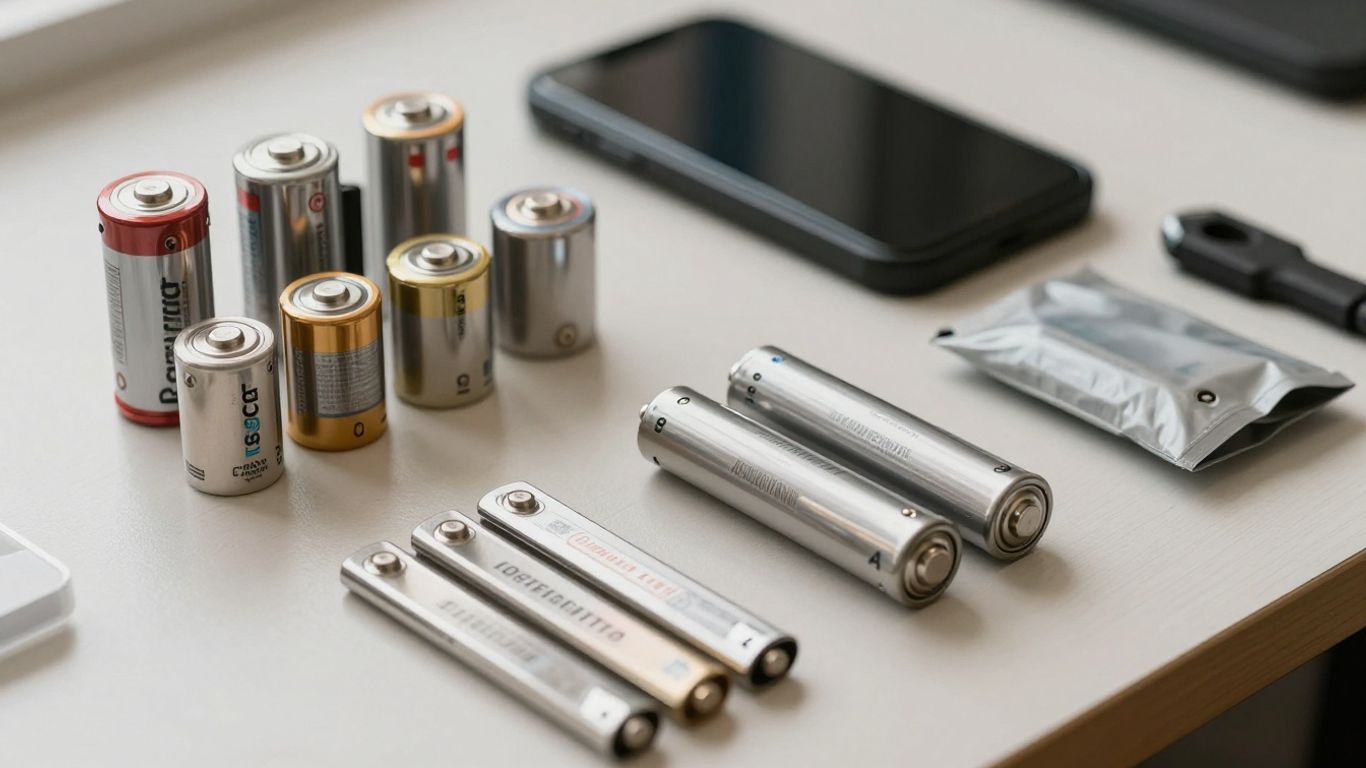
Lithium cobalt oxide has traditionally been associated with compact consumer electronics because it can provide high energy density in a relatively small and light cell. That makes it useful where space and weight matter, although thermal management, cost and cycle life remain important considerations.
The chemistry is only one part of a finished product. The quality of the cell, protection circuitry, enclosure and charging controls also affect how the battery behaves in everyday use. A phone or laptop battery should always be replaced with a compatible part recommended for that model.
Lithium iron phosphate for safety and long service life
Lithium iron phosphate, often abbreviated to LFP or LiFePO4, is valued for strong thermal stability and a long service life. It generally has lower energy density than some other lithium ion chemistries, so a pack may need to be larger for the same stored energy.
That compromise can work well in applications where weight and compactness are less important than durability and predictable operation. The complete pack still needs suitable controls, protection and charging equipment; chemistry alone does not remove all battery hazards.
Nickel manganese cobalt for electric vehicles
Nickel manganese cobalt, commonly called NMC, combines three metals in the cathode. It is used in many applications where a balance between energy density, power and practical pack size is needed, including some electric vehicles and portable equipment.
The proportions of the materials can vary, and manufacturers continue to refine the design. For an electric vehicle owner, the useful questions are usually less about memorising the formula and more about range, charging requirements, warranty conditions, thermal management and the manufacturer’s maintenance guidance.
How to choose the right battery chemistry
There is no universally best lithium ion chemistry. Selection depends on the available space, required range or runtime, expected power demand, ambient temperatures, budget and the consequences of failure. A stationary battery may accept extra weight for a longer working life, while a handheld device may need the greatest possible energy in a small enclosure.
It is also worth considering the complete product rather than the cell label alone. Quality control, a well-designed battery management system, certified charging equipment and clear support arrangements can matter just as much as the chemistry.
The key benefits and limitations
Lithium ion batteries became common because they can store substantial energy without the weight and bulk associated with many older rechargeable technologies. They can also deliver useful power, recharge repeatedly and remain ready for use when stored correctly. Those strengths explain their presence in everything from small electronics to grid-connected storage.
They are not maintenance-free or risk-free, however. Performance changes with temperature, age and usage, while manufacturing and end-of-life handling require care. The practical trade-off matters more than any single headline specification.
High energy density and lightweight design
Energy density describes how much energy can be stored for a given mass or volume. High energy density helps a smartphone run through a day without a very large battery, and it allows an electric vehicle to carry useful range without making the pack impossibly heavy.
The benefit is especially noticeable in portable equipment. A lighter battery can make a device easier to carry, but compact construction also means heat and damage must be managed carefully. More stored energy in a small package calls for sound design and sensible use.
Fast charging and low self-discharge
Lithium ion batteries can often accept charge relatively quickly, particularly when the charger, cable, battery and device have been designed to work together. Charging commonly slows as the cell approaches full capacity because the system is controlling voltage and heat rather than simply pushing in maximum current throughout.
Self-discharge is generally low compared with many rechargeable battery types, so a stored device can retain useful charge for longer. It will still lose energy over time, and leaving a battery at a very high or very low state of charge for extended periods may increase wear.
Performance in everyday and demanding applications
The same broad technology can be configured for very different jobs. A power tool may need short bursts of high current, a laptop may need a balance of energy and weight, and a home storage system may prioritise repeated cycling. Pack design, cooling, software controls and the selected chemistry all shape real-world performance.
A battery rating on its own does not tell the whole story. Runtime depends on the device’s power demand, temperature, age and how much of the rated capacity the control system allows the user to access.
Cost, ageing and temperature limitations
Lithium ion batteries can be expensive to manufacture because they require carefully controlled materials, assembly and safety systems. Their capacity gradually declines, and extreme heat or cold can reduce performance or cause charging to be restricted. A battery that seems fine indoors may behave differently in a hot vehicle or an unheated shed.
The following comparison is a useful starting point, but product specifications and manufacturer instructions should take priority.
| Factor | What it affects | Practical consideration |
|---|---|---|
| Energy density | Runtime and pack size | Higher density can reduce weight but demands careful thermal control |
| Cycle life | How long capacity remains useful | Charging habits, temperature and chemistry all play a role |
| Power output | Ability to run demanding equipment | Check the pack’s current rating and device requirements |
| Temperature | Charging, performance and safety | Avoid charging or storing outside the recommended range |
These factors often pull in different directions. A battery selected for maximum runtime may not be the cheapest or longest-lived option, while a durable stationary pack may be too heavy for a handheld device.
Where lithium ion batteries are used
Lithium ion batteries are now part of ordinary routines as well as large infrastructure. They power devices we carry, vehicles we ride in, equipment used at work and systems that store electricity for later. The pack may be hidden inside a product, but the same core principles still apply.
Australia’s climate adds a practical consideration: heat exposure can be significant, especially in cars, garages, rooftops and outdoor enclosures. Local conditions should be considered when choosing where to charge, store and install a battery system.

Smartphones, laptops and portable devices
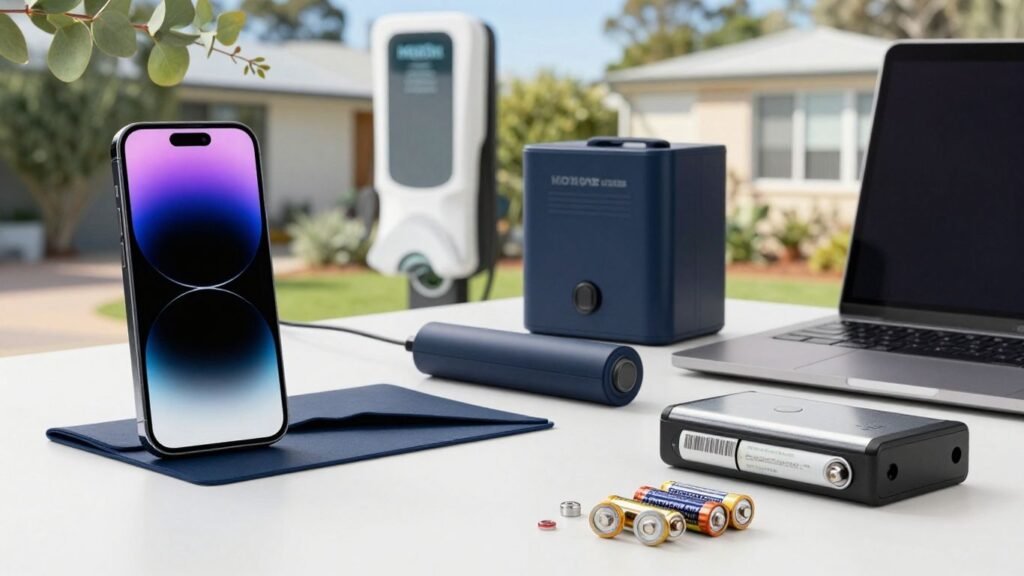
Phones, tablets, laptops, cameras, headphones and cordless tools use lithium ion cells because they need useful runtime in a compact form. Their charging circuits are built into the device or battery pack and should not be bypassed with improvised wiring.
Small rechargeable products are easy to overlook because they are familiar. A phone left under a pillow while charging, or a damaged laptop pack used for months, can still create unnecessary heat and fire risk. Even personal care devices using rechargeable power, such as products discussed in this Australian skincare guide, should be charged and stored according to their own instructions.
Electric vehicles and e-bikes
Electric cars, scooters and e-bikes use battery packs made from many cells, together with sensors, protective circuitry and cooling or thermal management. The pack’s capacity affects range, while the motor, rider, terrain, weather and load also influence how quickly energy is used.
For Australian riders, safe habits include checking the battery and charger, keeping the pack dry, avoiding visibly damaged equipment and following local road and charging guidance. A practical e-bike safety guide can help with pre-ride checks and battery care, particularly for new riders.
Solar energy storage systems
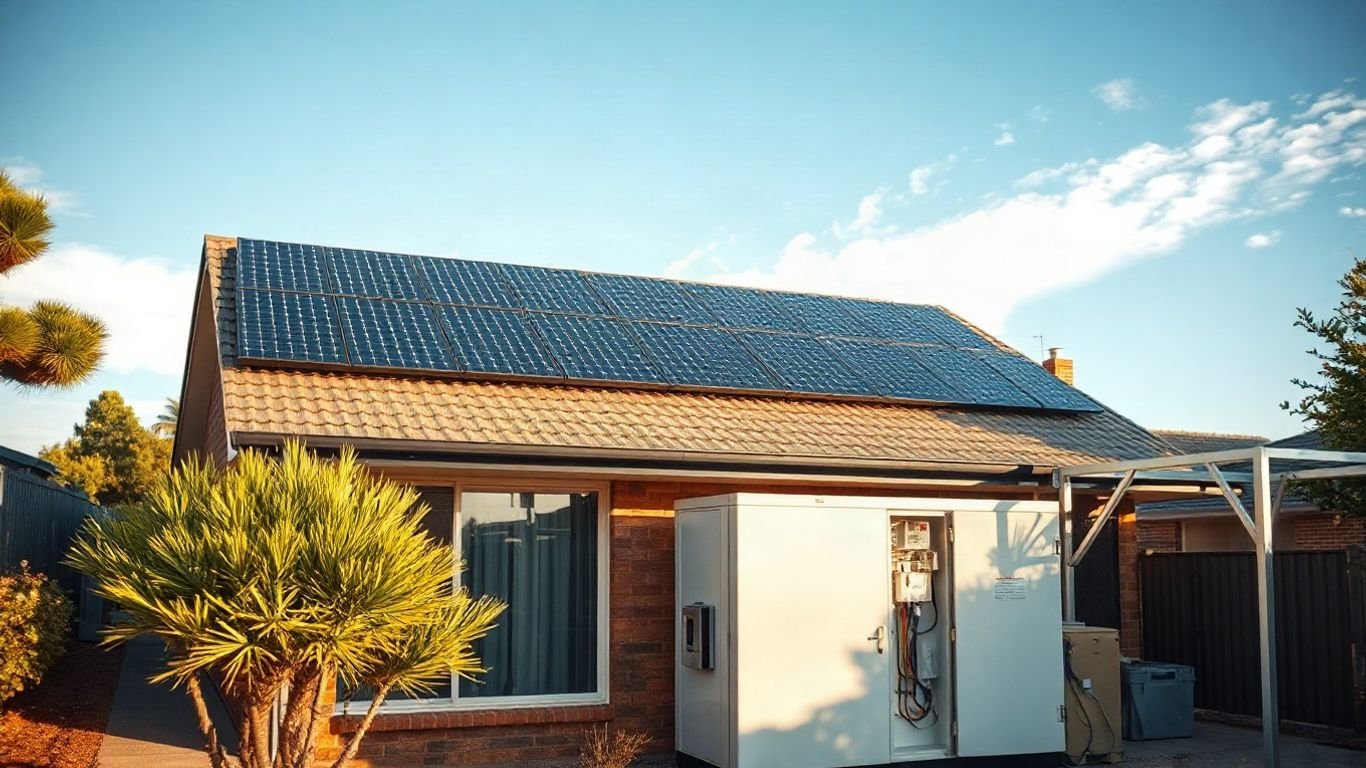
Home and commercial batteries can store electricity generated by solar panels and make it available later. They may reduce reliance on grid power at certain times, provide backup for selected circuits or help a site manage its energy use. Installation is a specialist task involving electrical protection, ventilation, location and compliance requirements.
Property owners should think about access, clearances, weather exposure and future servicing before installation. Battery storage can affect the design and value discussion around a home, alongside broader considerations such as those covered in this guide to selling an investment property.
Industrial, medical and aerospace equipment
Lithium ion packs support equipment where dependable portable power is useful, from warehouse tools and survey instruments to medical devices and aircraft systems. These applications often use additional monitoring, testing and maintenance procedures because a power failure may have serious consequences.
A battery-powered medical device is not automatically safe simply because it is small. Equipment that uses controlled electrical currents, such as electrical stimulation therapy, should be operated with its supplied power system and professional guidance rather than a makeshift battery arrangement.
How to charge and use a lithium ion battery safely
Most lithium ion battery incidents are preventable when the device, battery and charger are treated as one system. Use the equipment recommended by the manufacturer, keep charging areas clear and respond promptly to signs of damage. Do not assume a familiar connector guarantees compatibility.
Charging should happen where heat can escape and where a problem can be noticed. It is also wise to avoid charging in bedrooms, on soft furnishings or near flammable materials, especially when a device or battery is unattended.
Choosing compatible chargers and cables
Use the charger, power adapter and cable specified for the device or an approved equivalent. A charger that physically fits may still provide the wrong voltage, current or communication signal. Cheap or damaged accessories can increase resistance, heat and the chance of a fault.
Follow the manufacturer’s instructions for replacement batteries too. This is similar to checking compatibility before using replacement hardware in other safety-sensitive products; even a practical locksmith pricing guide illustrates why the right parts and a clear specification matter when a device must work reliably.
Preventing overheating during charging
Keep vents uncovered and place the device on a hard, stable surface while it charges. Do not charge a battery that is swollen, wet, crushed, pierced or unusually hot. If the charger, cable or battery becomes much hotter than usual, disconnect it if safe to do so and allow it to cool away from combustible materials.
Heat can build up when a device is exposed to direct sun, covered by bedding or used intensively while charging. A warm room may be acceptable, but extreme temperatures and poor ventilation are not. Never try to cool a hot battery with water or by putting it in a freezer.
Storing batteries at the right temperature and charge level
For longer storage, follow the product instructions about charge level and temperature. Keep batteries away from direct sunlight, moisture, children and loose metal objects such as keys. Spare cells should be protected from short circuits and should not be stored where they can be crushed.
A battery stored for months should be checked periodically for damage or swelling. Large installed systems have their own ventilation, isolation and inspection requirements, so household advice should not be substituted for an electrician’s guidance.
Recognising swelling, damage and other warning signs
Stop using a battery if it becomes swollen, cracked, leaking, smoky, unusually hot or damaged after a fall. Hissing, a strong chemical smell or rapid heating are also warning signs. Do not puncture, squeeze, dismantle or place a suspect battery in ordinary rubbish.
Move away from immediate danger and contact emergency services if there is smoke or fire. Do not handle a burning battery yourself. A damaged pack should be assessed by the manufacturer, a qualified technician or an appropriate hazardous-battery service.
How to extend lithium ion battery life
Battery longevity is shaped by both calendar age and use. Moderate temperatures, sensible charging and protection from physical damage can help a pack retain useful capacity for longer. Even careful use cannot stop ageing altogether, so expectations should remain realistic.
The best routine is usually the one that is safe and convenient enough to follow consistently. Obsessing over every percentage point can be less useful than keeping the battery cool and replacing damaged accessories.
Managing charging habits and battery cycles
Avoid regularly running a battery completely flat if the device gives you an opportunity to recharge earlier. You do not need to wait until zero per cent, and frequent short top-ups are generally normal for modern lithium ion devices. Features such as optimised charging may pause or slow charging at high levels when enabled.
For equipment that is used heavily, keep an eye on runtime and heat rather than relying only on a cycle count. A battery that needs charging much more often than before may be reaching the practical end of its service life.
Avoiding heat, moisture and physical damage
Heat is one of the most common causes of accelerated battery ageing. Do not leave devices in a hot car, store packs beside heaters or cover charging equipment with clothing. Keep batteries dry and protect them from drops, crushing and vibration beyond what the product was designed to withstand.
A short safety check before use can prevent trouble. Look for these basic conditions:
- The case is intact and not swollen.
- The contacts and cable are clean and undamaged.
- The charger is the correct type for the device.
- The battery has not been exposed to water or extreme heat.
These checks take little time and are particularly useful for e-bikes, power tools and removable packs that are handled frequently. If any condition is uncertain, stop and ask the manufacturer or a qualified service provider.
Understanding battery capacity and health ratings
Capacity is commonly expressed in watt-hours or, for smaller cells, milliamp-hours. A higher number can indicate more stored energy, but it does not guarantee longer runtime because devices consume power at different rates. Battery health usually compares current usable capacity with the original rated capacity.
Health estimates can vary with temperature, software and measurement history. They are useful for spotting a trend, not for diagnosing every fault. A pack with reasonable capacity may still be unsafe if its casing or internal protection has been damaged.
When replacement is safer than continued use
Replacement is sensible when runtime has become impractical, the battery repeatedly overheats, charging stops unexpectedly or the casing changes shape. Do not keep using a battery simply because it still powers the device. Safety concerns outweigh the value of extracting a few more weeks of service.
Use a compatible replacement and arrange responsible recycling for the old one. If the battery is built in, a manufacturer or qualified repairer should inspect and replace it rather than an untrained person opening the device.
How lithium ion batteries are recycled and disposed of
Lithium ion batteries contain materials that can be recovered, but they can also start fires when crushed, punctured or mixed into waste streams. Their disposal therefore needs a different approach from ordinary household rubbish. The correct pathway depends on the battery type, size, condition and the collection services available in your area.
Australian councils, retailers, transfer stations and specialist recyclers may accept different categories of battery. Check before travelling, particularly if the pack is damaged or part of a larger vehicle or storage system.
Why batteries should not go in household bins
A lithium ion battery can be damaged by compactors, sorting machinery and collection vehicles. A short circuit may generate heat and ignite nearby material, creating a risk for workers, facilities and the community. Kerbside recycling is also not designed to safely separate loose rechargeable cells.
Do not put batteries in general waste or household recycling bins. The same principle applies during a clean-out: even if a service handles ordinary rubbish, confirm that it accepts rechargeable batteries before booking a waste removal service.
Preparing batteries for transport and recycling
If the battery is intact, follow the recycler’s instructions and protect exposed terminals with non-conductive tape. Keep cells separated from loose metal objects and place them in a sturdy container that prevents movement. Do not tape over a swollen or leaking battery unless a qualified service specifically tells you to do so.
Never post, transport or store a damaged battery casually. Tell the collection service what has happened and ask how it wants the item handled. Larger vehicle and home-storage packs may require specialist removal and isolation.
Finding battery recycling services in Australia
Start with your state or territory environment department, local council, a battery stewardship program, the retailer that sold the product or a recognised resource recovery facility. Search for acceptance details before arriving, because some locations take household cells but not e-bike, vehicle or damaged batteries.
Keep the battery’s make, model and condition available when you call. Clear information helps the service direct you to the right collection stream and reduces the chance of an unsafe handover.
Recovering valuable materials from used batteries
Recycling facilities can process batteries to recover materials such as metals and other components, depending on the chemistry and technology used. The battery may be discharged, dismantled and mechanically or chemically processed under controlled conditions. Recovery reduces the need for some new raw materials and keeps hazardous items out of disposal systems.
Not every battery is recovered in the same way, and collection remains the essential first step. A battery that reaches an authorised facility can be assessed safely; one buried in a rubbish bin cannot.
Conclusion
A lithium ion battery is a compact and capable way to store energy, but its advantages depend on careful design, compatible charging and responsible handling. Knowing the chemistry, watching for damage, protecting the battery from heat and recycling it through the right Australian service will help you use modern devices with greater confidence.
Frequently Asked Questions
What is a lithium ion battery?
It is a rechargeable battery that stores and releases energy through the movement of lithium ions between two electrodes. It is used in products ranging from phones and laptops to electric vehicles and stationary storage systems.
How does a lithium ion battery work?
During discharge, lithium ions move through an electrolyte between the electrodes while electrons travel through an external circuit to provide electrical power. Charging reverses that movement using energy from an external source.
Are all lithium ion batteries the same?
No. Lithium ion batteries use different chemistries, cell formats and management systems. These choices affect energy density, power, lifespan, temperature behaviour, cost and safety characteristics.
Can I use any charger with a lithium ion battery?
No. Use the charger, cable and power adapter specified for the device or an approved equivalent. A connector that fits may still deliver unsuitable voltage or current.
What should I do if a battery is swollen?
Stop using and charging it, keep people and flammable materials away, and contact the manufacturer, a qualified technician or an appropriate battery service for instructions. Do not puncture, crush or place it in household rubbish.
How long does a lithium ion battery last?
Service life varies with chemistry, design, temperature, charging habits, workload and age. Capacity normally declines gradually rather than ending at one precise moment.
Can lithium ion batteries go in recycling bins?
Loose lithium ion batteries should not go in household rubbish or kerbside recycling. Take them to a collection point or specialist recycler that explicitly accepts the relevant battery type.