

Key Takeaways
Lithium rechargeable batteries can offer high energy density and convenient repeat use, but they need the right device, charger and handling habits.
- Check the battery format, voltage and chemistry before buying.
- Match the charger to the battery and avoid damaged power supplies.
- Keep cells away from heat, moisture, metal objects and physical damage.
- Store spare batteries safely and replace swollen or overheated cells.
- Take used batteries to an appropriate recycling point rather than putting them in household bins.
Understanding lithium rechargeable batteries
Lithium rechargeable batteries store energy through the movement of lithium ions between electrodes. That process can be reversed during charging, allowing the cell to be used repeatedly. The chemistry is compact and energy-dense, but it also demands suitable charging and sensible handling.
How lithium-ion chemistry stores and releases energy
Inside a lithium-ion cell, lithium ions move through an electrolyte between a negative electrode and a positive electrode. During discharge, that movement creates an electrical flow through the connected device; charging drives the ions back in the opposite direction. The cell’s voltage gradually changes as energy is used, although the exact pattern depends on its chemistry and design.
A battery is more than a loose store of power. Its electrodes, separator, casing and protection circuitry all affect how safely it can deliver energy. That is why a cell that looks similar to another may still have different limits for charging, current and temperature.
The difference between rechargeable lithium and disposable lithium batteries
“Lithium battery” can describe two quite different categories. Disposable lithium batteries are designed for one discharge cycle and should not be connected to a charger, while lithium-ion rechargeable batteries are built to accept repeated charging within their stated limits.
The distinction matters because a disposable cell may have a different voltage profile, construction and safety design. Never assume that a charger is suitable simply because both the battery and charger use the word lithium. Read the markings and the device instructions first.
Common battery formats, including AA, 14500 and 18650
AA describes a familiar physical size, but it does not identify one chemistry or one voltage. A 14500 cell is similar in dimensions to an AA cell but commonly uses lithium-ion chemistry and a higher nominal voltage. An 18650 is a larger cylindrical lithium-ion format often used in equipment designed specifically for that cell size.
Physical resemblance is not enough to establish compatibility. A device designed for ordinary AA batteries may not tolerate the voltage of a conventional 14500 cell, and an 18650 should never be forced into a compartment that was not designed for it.
Why voltage and capacity vary between models
Voltage describes the electrical potential a cell provides, while capacity describes how much charge it can hold, commonly shown in milliamp-hours. Neither figure tells the whole story: power output, internal resistance, discharge rate and the device’s own efficiency also influence practical runtime.
Capacity figures are useful for comparison, but they should be read alongside the manufacturer’s voltage and current specifications. A cell with a larger capacity is not automatically the best choice if it cannot safely provide the current a device needs.
Choosing the right lithium rechargeable batteries
Choosing lithium rechargeable batteries starts with the device rather than the battery shelf. Confirm the required size, voltage, chemistry and maximum current before comparing brands or capacity figures. A small amount of checking can prevent poor runtime, malfunction or unsafe installation.
Matching battery size and voltage to your device
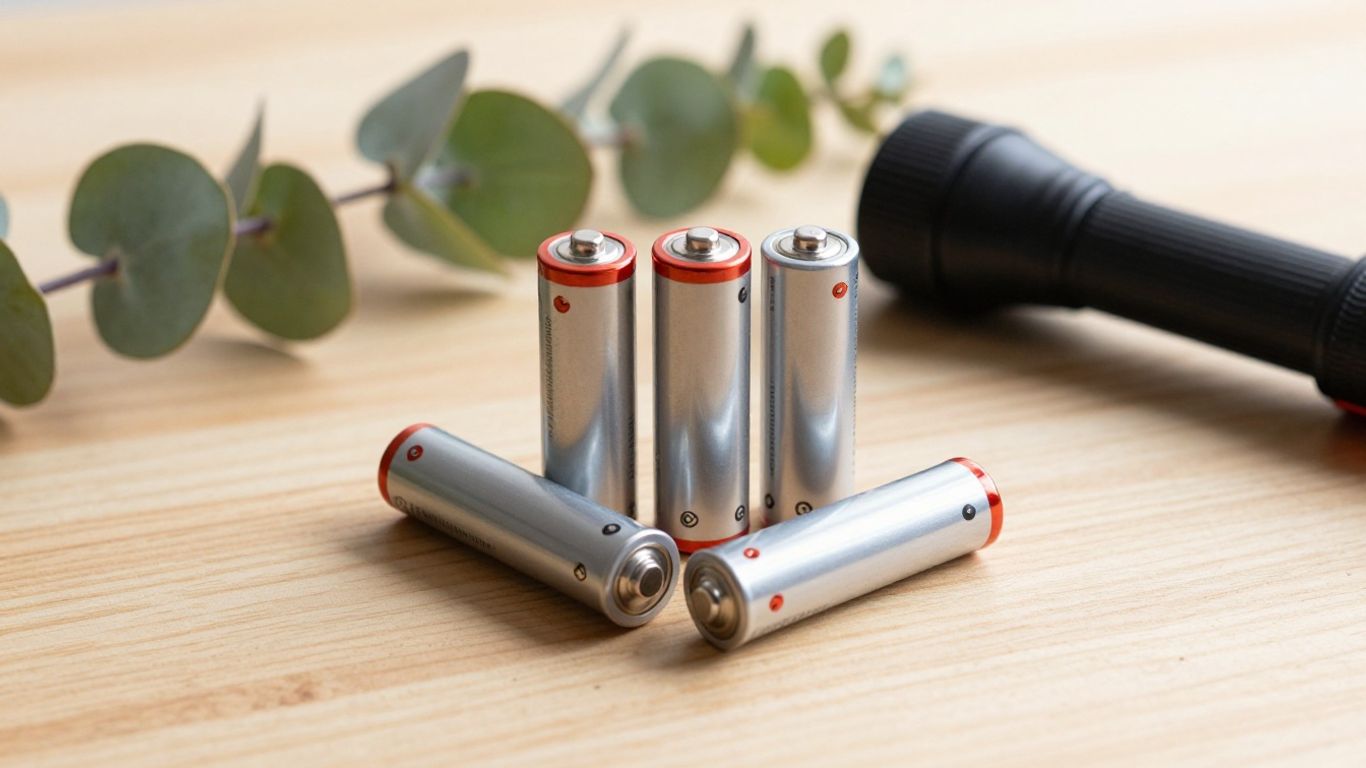
Look for the device’s battery label, user manual or manufacturer’s specifications. Match the physical format and voltage exactly where the instructions require it, and check whether the device expects a protected cell, a particular charging method or a matched battery pack.
This is especially important with AA-sized products. Some lithium-ion AA-format batteries use internal electronics to provide a regulated output, while a bare 14500 cell has a very different electrical profile. Similar dimensions do not make them interchangeable.
Comparing capacity, runtime and power output
Capacity can help estimate runtime, but real-world results depend on the device’s load and how it behaves as voltage falls. A camera, torch, radio or motor may draw power in very different ways, so published capacity should be treated as a comparison point rather than a promise of hours of use.
For a device with a high start-up demand, maximum continuous and peak discharge ratings may matter more than the biggest capacity number. The right specification beats the biggest number when the battery must deliver steady power.
Checking protected and unprotected cell designs
A protected cell includes an electronic circuit intended to help manage conditions such as overcharge, over-discharge and excessive current. An unprotected cell may be appropriate only in equipment that already includes suitable battery management and protection.
Do not add an unprotected cell to a device simply because it is cheaper or has a higher stated capacity. If the equipment manual specifies protected cells or a matched pack, follow that instruction rather than guessing.
Assessing quality, certifications and manufacturer claims
Check that the label provides clear information about chemistry, voltage, capacity, polarity and charging limits. Be cautious of unusually high capacity claims, vague seller details and cells with damaged wrapping or missing markings.
A product listing should explain how the battery is intended to be charged and used. For example, Paleblue Voyager AA is described as a rechargeable AA product with USB-C charging and a 1.5V output; those details are useful only when they match the requirements of the device. Keep the product’s stated scope in mind rather than assuming the same characteristics apply to every lithium battery.
Using lithium rechargeable batteries with the right charger
A charger is part of the battery system, not just a source of electricity. Lithium cells need charging that suits their chemistry, cell count and control requirements. Using the wrong charger can cause overheating, poor charging performance or serious damage.
Why lithium batteries need compatible charging systems
Lithium-ion charging normally follows a controlled sequence that limits current and then manages voltage as the cell approaches full charge. The charger must know, or be designed for, the battery’s chemistry and configuration. A loose cell, a battery pack and a USB-powered regulated battery may each require different arrangements.
Read the battery and charger instructions together. If either set of instructions is unclear, do not rely on a plug fitting physically; electrical compatibility is the essential test.
Choosing USB-C, dedicated and multi-chemistry chargers
USB-C charging can be convenient when the battery contains its own charging electronics and the product specifically permits that method. Dedicated removable-cell chargers are designed around particular formats, while multi-chemistry chargers can be useful when their supported chemistries and sizes match the cells being used.
Before buying, check the charger’s supported battery types, number of cells, charging current and termination method. A charger marketed as universal is not necessarily suitable for every lithium format.
Understanding charging speed, balance and heat
Fast charging creates more heat and leaves less margin for a poor connection or a worn cell. Packs containing multiple cells may also require balancing so that individual cells remain within safe limits. Heat during charging is a reason to pause and investigate, not something to cover up or ignore.
Place the charger on a hard, non-flammable surface where it can be observed. Allow ventilation around it, and remove the battery when the instructions say charging is complete rather than leaving an unfamiliar setup unattended overnight.
Avoiding incompatible chargers and poor-quality power supplies
Do not charge a lithium cell with a charger intended for another chemistry unless the charger explicitly supports both and provides the correct setting. Avoid damaged cables, loose connectors, counterfeit products and unbranded power supplies with unclear specifications.
A sound charging setup should have legible ratings and a stable connection. The same practical caution applies to batteries used in transport or outdoor equipment; an Australian ebike battery safety guide can provide useful wider context on charging, storage and warning signs.
Getting better performance and battery life
Good battery life is shaped by operating conditions and habits as much as by the number printed on the packet. Lithium cells generally perform best when they are kept within sensible temperature and charge limits. Small changes, such as avoiding unnecessary heat, can reduce stress over time.
How temperature affects charging and runtime
Cold conditions can reduce available power and make a device appear to run down quickly. High temperatures accelerate ageing and can make charging unsafe, especially when a battery is enclosed or exposed to direct sun. Let a very cold or hot battery return to a moderate temperature before charging it.
Avoid leaving batteries in a parked car, on a windowsill or beside a heat source. Outdoor equipment deserves extra care because weather, dust and temperature swings can all affect the battery compartment.
Reducing wear through practical charging habits
Use the charger recommended for the battery and keep the contacts clean and dry. Avoid repeatedly running a cell completely flat when the device allows earlier recharging, and do not continue using a battery that becomes unusually hot or behaves erratically.
Practical habits are more useful than chasing a perfect charging routine. These are sensible basics:
- Charge on a stable, non-flammable surface.
- Keep the battery and charger vents clear.
- Stop using a cell that is swollen, leaking or damaged.
- Let hot equipment cool before charging it.
These steps do not prevent normal ageing, but they reduce avoidable stress and make problems easier to notice early.
Storing batteries at the right charge level
For storage lasting more than a few days, follow the manufacturer’s advice rather than leaving cells permanently full. A cool, dry location away from sunlight is preferable, and loose cylindrical cells should be kept in a case that prevents contact with keys, coins or other metal objects.
Do not store batteries loose in a drawer or mixed with damaged cells. Check stored batteries periodically, particularly after long periods without use or when they are kept in a vehicle or shed.
Recognising capacity loss and replacement time
Ageing may appear as shorter runtime, a sudden voltage drop under load, longer charging times or increased warmth. Some loss of capacity is normal after repeated cycles, but a noticeable change in physical condition is not.
If a battery no longer meets the device’s needs, replace it with a compatible cell rather than trying to restore it through unusual charging methods. EBL Li-Ion batteries are listed in formats including 14500 and 18650, but any replacement still needs to match the equipment’s requirements.
Using lithium rechargeable batteries safely
Most safe battery use is straightforward: prevent short circuits, protect the casing and pay attention to changes in heat or shape. Lithium cells contain significant stored energy, so a damaged wrapper or crushed casing should not be treated as cosmetic wear. When in doubt, stop using the battery.
Preventing short circuits, punctures and physical damage
A short circuit can occur when the positive and negative terminals touch metal objects such as coins, keys or tools. Keep loose cells in a proper plastic case and never carry them unprotected in a pocket or bag. Do not puncture, crush, bend or dismantle a cell.
If a wrapper is torn or the terminal is exposed, isolate the battery from metal objects and arrange safe disposal. Do not try to repair the cell with improvised tape or continue using it in a high-drain device.
Identifying swelling, overheating and other warning signs
Warning signs include swelling, leaking, a damaged wrapper, unusual odour, hissing, smoke, excessive heat or a battery that no longer fits its compartment. A device that becomes hot while idle may also need immediate attention.
Disconnect power if it is safe to do so, move people away and avoid handling a hot or smoking cell. Fire and emergency advice can vary with the situation, so contact emergency services when there is an active fire or immediate danger.
Transporting and storing spare batteries safely
Use a rigid battery case for spare cells and keep terminals separated. When travelling, follow the carrier’s rules for lithium batteries, especially for loose spares and larger packs. Do not pack damaged or recalled cells with ordinary equipment.
For household storage, choose a dry place away from children, pets, direct heat and flammable materials. A simple inventory also helps identify old cells before they are accidentally mixed with new ones.
What to do with a damaged or recalled battery
Stop using a damaged or recalled battery and do not put it into a charger to test whether it still works. Keep it away from combustible materials, avoid touching leaking material and contact the manufacturer, retailer, local council or battery recycler for instructions.
Do not place a suspect battery in a normal collection box unless the operator confirms that it accepts that condition. For broader household safety decisions, practical guides such as Southwest Florida auto electricians, locksmith pricing guide, and Dragon’s Blood skincare cover unrelated services and products; they are a reminder to check the exact use and source of any advice rather than treating every online listing as a battery authority.
Recycling and disposing of lithium rechargeable batteries
Lithium rechargeable batteries contain materials that can be recovered, but they also carry a fire risk if crushed or short-circuited in waste collection equipment. Disposal should therefore be planned before the battery reaches the end of its useful life. Australian recycling options vary by location and by the condition of the battery.
Why lithium batteries should not go in household bins
A battery placed in a general rubbish or recycling bin may be compacted, damaged or exposed to other conductive materials. That can start a fire in a household bin, collection truck or sorting facility. The safest route is a designated battery collection service that can handle the chemistry.
Keep batteries out of kerbside bins unless your local council specifically says otherwise. The same principle appears in other waste guidance, such as this razor blade recycling information, where mixed materials and sharp components also make ordinary recycling unsuitable.
Preparing batteries for transport to a recycling point
Before transport, check the recycler’s instructions. Tape exposed terminals with non-conductive tape where advised, place loose cells in a protective bag or case and keep damaged batteries separate from sound ones. Never tape over a swollen or leaking cell without first obtaining handling advice.
Do not leave batteries in a hot car while you run errands. If a cell is hot, smoking, leaking or severely damaged, contact the relevant service before moving it.
Finding battery recycling services in Australia
Search your council website, a recognised battery collection programme or a retailer that explicitly accepts the battery type. Ask whether the site takes rechargeable lithium cells, larger packs and damaged batteries, because acceptance rules differ.
Some community recycling services accept common household batteries but not every format. Confirm the location and opening conditions before travelling, particularly with an old power-tool pack or an electric-vehicle battery.
Understanding the environmental trade-offs of rechargeable power
Rechargeable batteries can reduce the number of disposable cells used over time, but their manufacture, transport and eventual processing still have environmental costs. Longer service life depends on choosing the correct battery, charging it appropriately and recycling it through the right channel.
Claims about sustainability should therefore be read with care. The most useful measure for an individual household is often practical: use a suitable rechargeable battery for a device that supports it, avoid premature replacement and keep end-of-life cells out of general waste.
Conclusion
Lithium rechargeable batteries are capable, compact power sources when their format, voltage, charger and operating conditions are treated as a complete system. Check compatibility before purchase, watch for heat or physical damage, store spare cells safely and use an approved recycling pathway when they are finished.
Frequently Asked Questions
Are all lithium batteries rechargeable?
No. Disposable lithium batteries are designed for one use, while lithium-ion rechargeable batteries are made for repeated charging within specified limits. Check the label and instructions before connecting any battery to a charger.
Can I use a 14500 battery in any AA device?
No. Although a 14500 cell may be similar in size to an AA battery, its voltage and chemistry can differ substantially. Use it only when the device explicitly supports that format and voltage.
Is it safe to charge lithium batteries overnight?
Only follow the manufacturer’s instructions and use a compatible charger. An unfamiliar or damaged charging setup should not be left unattended, particularly if the battery becomes hot or the connection is loose.
How should loose lithium batteries be stored?
Keep them in a rigid protective case with terminals separated from metal objects. Store the case in a cool, dry place away from direct sunlight, children, pets and flammable materials.
What does a swollen battery mean?
Swelling indicates a fault or internal gas build-up and the battery should no longer be used or charged. Avoid puncturing it and seek instructions from the manufacturer, retailer, council or an appropriate recycler.
Can lithium rechargeable batteries go in kerbside recycling?
Usually not. They can be damaged during collection and sorting, creating a fire risk. Use a designated battery recycling service and confirm that it accepts your battery type.
How long do lithium rechargeable batteries last?
Service life varies with chemistry, design, charging habits, temperature, load and storage. Shorter runtime, unusual heat, physical damage or charging problems are signs that replacement may be needed.