Key Takeaways
A home battery can shift more of a household’s solar generation into the evening, but the right system depends on energy use, inverter design, property layout and budget.
- Battery capacity should be matched to actual household consumption, not simply the largest available system.
- HVS and HVM configurations differ in module arrangement, capacity range and system design requirements.
- Existing solar systems may need an AC-coupled approach, while new installations can often be designed around DC coupling.
- Backup power requires specific equipment and circuit planning; it is not automatic with every battery installation.
- Compare the full installed price, available support and likely energy savings before making a decision.
How BYD solar batteries work in Australian homes
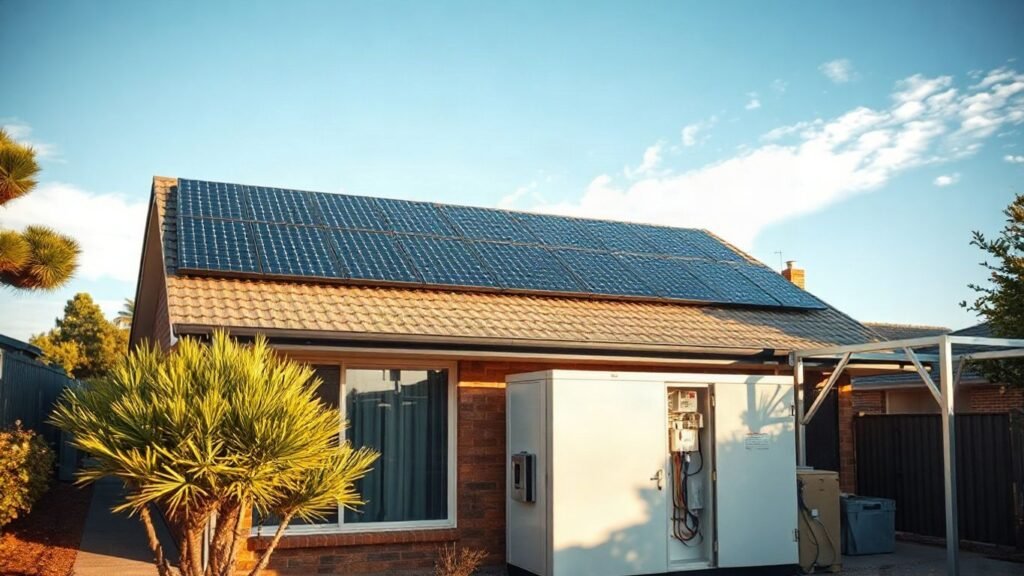
A battery stores electricity generated by rooftop solar so it can be used later, usually after the sun has gone down. For an Australian household, that can mean using more self-generated energy during the evening and buying less electricity from the grid at selected times. The result depends on the home’s consumption pattern, tariff structure and system design. A battery is not a guarantee of energy independence, particularly during long periods of poor solar generation.
The role of a battery in a solar power system
Solar panels produce electricity during daylight hours, while many households use the most energy in the morning and evening. A battery helps bridge that timing gap by charging when generation exceeds immediate demand and discharging when demand rises. It sits alongside the panels, inverter, switchboard and household loads, so the quality of the overall design matters as much as the battery itself.
For readers still getting familiar with the broader system, this home solar system guide provides useful background on panels, household generation, maintenance and energy storage. That context makes it easier to judge whether a battery solves a real timing problem in your home rather than simply adding equipment.
How energy is stored and used throughout the day
A typical day begins with household demand being supplied by the grid or by early solar generation. As sunlight increases, solar electricity can run appliances first, charge the battery with surplus energy, and export any remaining generation under the applicable arrangement. Later, the battery may discharge to supply lights, cooking, heating or other loads.
The useful question is not just how much energy the battery stores. It is how often the battery can be charged and discharged in a normal week, and whether its output is sufficient for the appliances you want it to support. Daily usage patterns matter most when estimating the practical value of storage.
AC-coupled and DC-coupled system configurations
In a DC-coupled system, solar generation and battery storage are connected on the direct-current side before conversion for household use. This can reduce some conversion steps in a new installation, although the final outcome depends on the equipment selected and the installer’s design. An AC-coupled battery is connected on the alternating-current side and can be suitable when adding storage to an existing solar system.
Neither arrangement is automatically best for every property. The existing inverter, available switchboard space, battery location and intended backup loads all need to be assessed together. A quote should clearly identify the coupling method and explain why it suits the home.
When battery storage can reduce grid dependence
Storage is most useful when a home has meaningful solar surplus during the day and regular electricity demand after sunset. Households with evening cooking, heating, cooling or electric-vehicle charging may have more opportunity to use stored energy than homes that are empty for much of the day. Tariffs and export payments also affect the financial result.
The battery may reduce grid imports without eliminating them. Winter weather, consecutive cloudy days and high overnight demand can still require grid electricity. Treat projected savings as an estimate based on assumptions, not a fixed outcome.
Choosing the right BYD Battery-Box model
The model decision should begin with the household’s energy profile and the inverter’s requirements, then move to capacity, power and future expansion. The BYD Battery-Box is described in the available product material as a modular storage line using cobalt-free lithium iron phosphate chemistry, with systems that can be configured for residential and other applications. Those documented characteristics explain why installation design and approved equipment remain central to the choice.
Comparing BYD Battery-Box Premium HVS and HVM systems
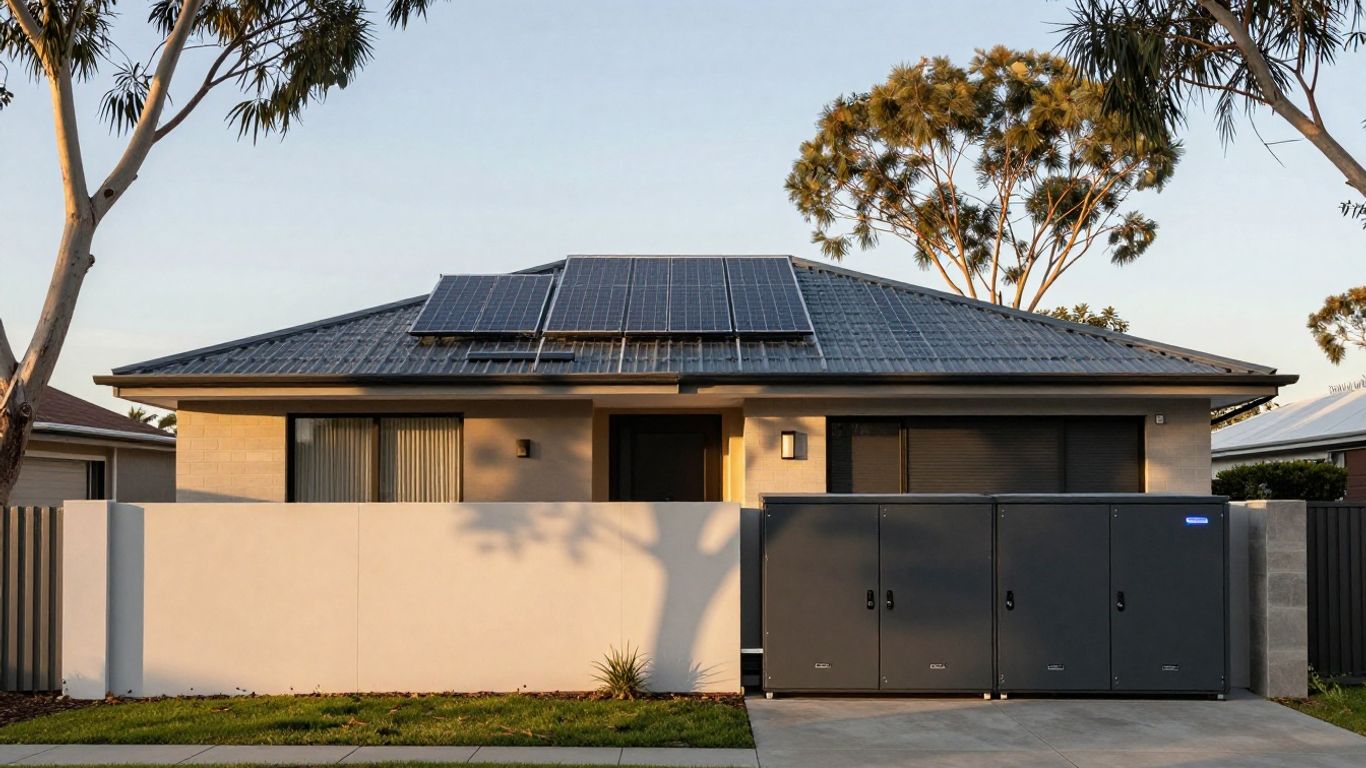
The Premium HVS and HVM families are high-voltage modular systems, but their module arrangements and capacity ranges differ. The HVS configuration uses two to five battery modules connected in series, while the HVM configuration uses three to eight modules. The appropriate choice depends on the compatible inverter, required capacity and the configuration permitted by the installation design.
The HVM range is described in the source material as offering usable capacities from 8.28 kWh to 22.08 kWh per system, with parallel configurations able to extend total capacity. A product page for Battery-Box Premium HVM also describes cobalt-free LFP chemistry, high-voltage inverter compatibility and IP55 protection. These are specifications to confirm against the current Australian product documentation rather than assumptions to apply to every package.
Understanding usable capacity and power output
Usable capacity is the amount of stored energy available for normal operation, rather than the battery’s total nominal rating. Power output is a separate measure: it indicates how much electricity can be delivered at a given moment. A battery with plenty of energy may still be unsuitable if its output does not support the loads selected for backup or evening use.
Ask for both figures in the proposal, along with the conditions under which they apply. Also check whether the quoted capacity refers to one tower, several towers or a complete system, since those details change the comparison between quotes.
Matching battery size to household energy consumption
Sizing works best when based on interval consumption data, solar generation and the times when electricity is used. A household that exports heavily during the day may need more storage than a similar-sized home that already uses most of its solar generation directly. The aim is to choose a battery that cycles regularly without paying for capacity that rarely gets used.
A simple first review should consider:
- Average daily electricity consumption across different seasons.
- Solar generation and export levels during daylight hours.
- Evening and overnight loads that could use stored energy.
- Any planned electric vehicle, heat pump or major appliance.
These points give an installer a more useful starting point than a rough battery size based only on the number of bedrooms. They also help explain why two neighbouring homes may receive different recommendations.
Planning for future solar panels or electricity demand
If you expect to add panels, electrify hot water or install an electric vehicle charger, mention that before the system is designed. Future demand can affect inverter selection, switchboard capacity, battery sizing and the value of reserving space for additional equipment. Expansion may be possible in some configurations, but it should never be assumed without checking product limits and compatibility.
A good quote separates what is installed now from what could be added later. That makes the initial cost clearer and prevents a future plan from being mistaken for a guaranteed upgrade path.
BYD solar battery compatibility and system design
A battery does not operate as a stand-alone appliance. Its inverter, control equipment, switchboard, protection devices and monitoring platform must work together, and the design must suit the property’s electrical arrangement. This is particularly relevant for Australian homes with older switchboards, three-phase supplies or existing solar equipment. Compatibility should be verified before a deposit is paid.
Inverter compatibility and approved equipment
The installer should identify the exact inverter model proposed and confirm that it is approved for use with the selected battery configuration. Compatibility can depend on firmware, phase arrangement, system size and the way the battery is connected. Generic statements such as “works with most inverters” are less useful than a model-specific written design.
Ask for the equipment schedule, single-line diagram and any limitations on expansion. These documents provide a clearer basis for comparing quotes and can help avoid a late design change.
Three-phase homes and backup power requirements
Three-phase properties need careful planning because household circuits may be distributed across different phases. Backup power may cover selected circuits rather than the entire property, and the arrangement can vary depending on the inverter and backup equipment. Large loads such as ducted air conditioning, pumps and induction cooking may need specific consideration.
If blackout protection is important, state exactly which appliances you want to keep running. A battery installation designed mainly for bill reduction may not provide the same arrangement as a system designed for backup.
Adding a battery to an existing solar installation
Retrofitting storage involves checking the age and condition of the existing inverter, the remaining system warranty, switchboard capacity and the available installation space. An AC-coupled arrangement may avoid replacing a functioning solar inverter, but it can involve additional conversion equipment. In other cases, replacing or redesigning parts of the system may produce a cleaner result.
The quote should explain what happens to existing warranties and whether the original system can still be monitored through the same platform. This is a practical detail that is easy to overlook when attention is focused only on battery capacity.
How system design affects efficiency and performance
Efficiency is influenced by conversion losses, battery operating limits, cable runs, temperature, control settings and how often the system cycles. A larger battery is not automatically more efficient if it is rarely charged to a useful level. Likewise, a smaller system may perform well when it closely matches the home’s daily solar surplus and evening demand.
Request projected annual generation, battery throughput and grid imports in a format you can understand. Estimates will still depend on weather and behaviour, but transparent assumptions make the forecast easier to test later.
BYD solar battery costs in Australia
The price of a solar battery in Australia is a complete installed-system question, not just a product question. Battery modules, inverter equipment, electrical work, backup hardware, approvals and site conditions can all change the final figure. Rebates may also alter the amount paid upfront, subject to eligibility and programme rules. A useful comparison therefore needs an itemised quote.
Typical costs for the battery, inverter and installation
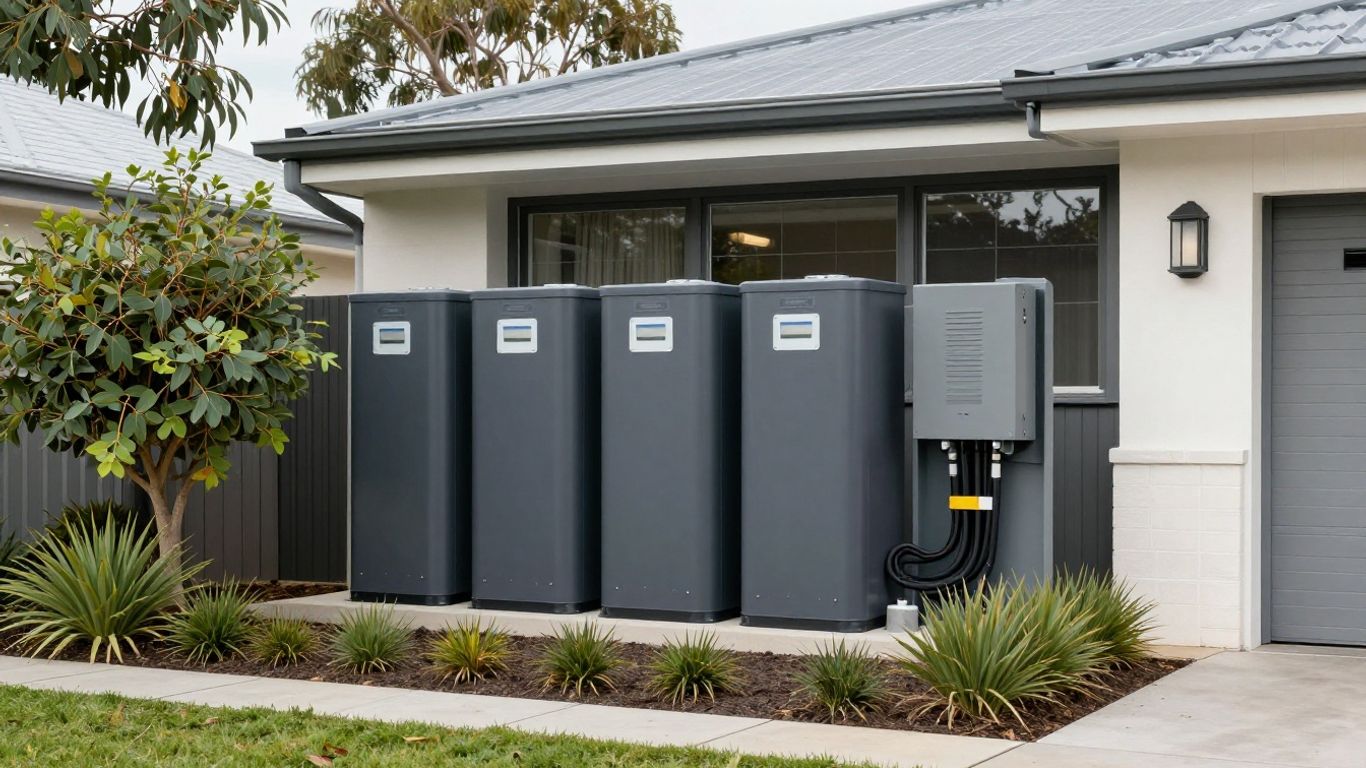
There is no single reliable national price because system size and installation complexity vary widely. A quote may include the battery tower, inverter, mounting or enclosure, cabling, protection equipment, commissioning and monitoring. It may instead exclude switchboard upgrades, trenching, scaffolding or additional backup circuits.
Treat advertised package prices as starting points only. For example, the published HVM package information notes that pricing and eligibility can depend on GST, rebates, dwelling structure and base installation criteria. The final proposal should state whether each item is included, excluded or provisional.
Factors that influence the final installation price
The property’s location and access can affect labour, while the distance between the battery, inverter and switchboard affects cabling and installation time. A difficult wall, limited clearances, an older switchboard or a requirement for backup circuits can add work. Regional travel and electrical upgrades may also appear as separate line items.
Compare quotes using the same checklist rather than choosing the lowest headline number. A practical household budget guide such as saving money in Australia can also help place a large purchase within your wider financial plan, although it cannot predict the savings of a particular battery.
Rebates, incentives and state-based support
Australian incentives change over time and may differ between federal and state programmes. Eligibility can depend on system specifications, installer requirements, household circumstances, location and participation in a virtual power plant. Some advertised discounts are applied at the point of sale, while others may involve separate applications or conditions.
Check the current official rules before signing. Ask the installer to show the gross price, each rebate or certificate assumption, and the amount payable if an expected incentive is unavailable.
Estimating payback time and long-term savings
Payback depends on the battery’s installed cost, usable capacity, cycle frequency, electricity tariffs, export value, maintenance and financing. A simple calculation compares the annual value of avoided grid purchases and exports with the net purchase price, but it should use realistic seasonal data. Backup value may be important to a household even when it does not shorten payback.
Be cautious with forecasts that assume perfect daily cycling or rising electricity prices without showing the calculation. Sensitivity estimates using lower savings, higher tariffs and different usage patterns give a more honest view of risk.
Installation, safety and Australian requirements
Installation should be treated as electrical work and system integration, not a quick equipment delivery. The site must be assessed for safe placement, access, environmental conditions and connection to the home’s electrical infrastructure. Australian requirements and local network rules apply, and they can vary with the system design. The installer should explain the process before work begins.
Choosing an accredited solar and battery installer
Look for an appropriately licensed electrical contractor with relevant solar and battery experience, and check that the proposed installer can provide the required certificates and documentation. Ask who will perform the work, who handles grid approval and what support is available if a fault occurs later.
A specialist may also identify design issues that a generic package quote misses. The goal is not simply accreditation on paper, but a clear chain of responsibility from design through commissioning.
Site assessment, placement and ventilation considerations
Battery placement must account for manufacturer instructions, clearances, weather exposure, access, fire safety and the conditions of the installation location. The installer should inspect the wall or base, cable route, switchboard position and any nearby structures before finalising the design. Ventilation and temperature requirements should follow the applicable product documentation.
Do not accept a proposed location that has not been physically assessed. Photos can help with an early estimate, but they are not a substitute for an on-site review where conditions are uncertain.
Monitoring, warranties and ongoing maintenance
Confirm what the monitoring app shows, who receives fault alerts and how performance data can be accessed. Read the battery, inverter and workmanship warranties separately, since they may have different terms, exclusions and claim processes. Maintenance may be limited for some systems, but inspections and keeping the area clear still matter.
Keep the final single-line diagram, commissioning records, manuals and warranty contacts together. Those documents are useful if the property is sold, the system is expanded or a fault needs investigation.
Compliance with Australian electrical standards
The installer is responsible for designing and commissioning the system in line with applicable Australian electrical standards, state or territory rules and network requirements. The exact obligations depend on the equipment and installation. Homeowners should receive evidence of approval and completion rather than relying on a verbal assurance.
Where a proposal is unclear, ask which standards and network processes apply to the specific system. Independent advice may be worthwhile for unusual properties or complex retrofits.
Deciding whether a BYD solar battery is right for you
A battery can be sensible when a home has regular daytime solar surplus, substantial evening consumption or a strong preference for backup capability. It may be less compelling when daytime usage is already high, the property has limited solar generation or the expected savings are small compared with the installed price. A sound decision balances financial, practical and personal priorities. It should not be based on capacity alone.
Comparing BYD with other battery brands
Compare products by usable capacity, continuous power, inverter compatibility, warranty conditions, installation requirements, monitoring and service support. The available product material describes the Battery-Box range as modular and based on cobalt-free LFP chemistry, but those features should be weighed alongside the complete system design and local installer support.
The comparison is strongest when every quote uses the same assumptions. Check whether backup equipment, monitoring, approvals and future expansion are included rather than comparing battery names in isolation.
Evaluating backup power versus bill reduction
Backup power and bill reduction are related but different goals. A system sized to reduce evening imports may not run every appliance during an outage, while a system designed for backup may require additional equipment and reserve capacity. Decide which circuits matter most and how often outages affect your property.
If resilience is the priority, ask about switchover behaviour, battery reserve settings and operation during extended outages. If savings are the priority, focus more closely on solar surplus, tariffs and projected cycling.
Questions to ask before requesting a quote
A short list of questions can make the first consultation far more productive:
- What usable capacity and continuous power will the proposed system provide?
- Which circuits will operate during a blackout, if backup is included?
- Is the design AC-coupled or DC-coupled, and why?
- What rebates, approvals and extra electrical work are included in the price?
The answers should be specific to the property rather than copied from a generic product brochure. It is also sensible to keep unrelated household decisions separate: for example, Medicare Advantage plans, day trading, Anoman AI and soil-based probiotics address entirely different needs and should not be treated as part of a battery investment calculation.
Situations where a larger or smaller battery may be better
A larger battery may suit a home with high evening demand, substantial solar exports and planned electrification. A smaller battery may be more practical where daily consumption is modest, the solar array is limited or the budget is tight. Oversizing can leave capacity unused, while undersizing may provide too little value during the periods that matter most.
Review actual consumption data after the first year if possible, then revisit expansion only if the system and inverter support it. The best choice is usually the one that fits the household’s real pattern, not the one with the biggest headline number.
Conclusion
Choosing a byd solar battery australia system involves more than selecting a storage capacity. Review how your home produces and uses electricity, confirm inverter and backup compatibility, compare complete installed quotes and check current Australian requirements before signing. A careful design can make solar energy more useful after sunset, but the right outcome comes from matching the equipment to the property and the household.
Frequently Asked Questions
Is a home battery worth it in Australia?
It can be worthwhile when a home has regular solar surplus and meaningful evening electricity use, but the answer depends on the installed price, tariffs, export value, usage patterns and the importance placed on backup power.
How large should a household battery be?
Battery size should be based on interval consumption, solar exports and evening demand across different seasons. A larger capacity is not automatically better if it is rarely charged or discharged.
Can a battery be added to existing solar panels?
Often, yes, but the installer must check the existing inverter, switchboard, warranties, available space and network requirements. An AC-coupled design may be suitable in some retrofit situations.
Will a solar battery power the whole house during a blackout?
Not necessarily. Backup systems may supply selected circuits only, and the available loads depend on the inverter, battery output, wiring and design settings.
Do batteries need regular maintenance?
Maintenance requirements vary, but owners should keep the area accessible and clear, monitor alerts and retain warranty and commissioning records. Follow the manufacturer’s instructions and arrange professional checks when needed.
Are rebates available for home batteries?
Support may be available through federal, state or territory programmes, but eligibility and payment methods change. Confirm current conditions with the relevant programme and installer before relying on a rebate in your budget.
How should battery quotes be compared?
Compare usable capacity, power output, inverter compatibility, backup scope, warranties, monitoring, installation work, approvals, rebates and the final amount payable. Itemised assumptions make competing proposals easier to assess.