
Key Takeaways
A home battery can make rooftop solar more useful, but the right system depends on your household demand, tariff, switchboard and local connection rules.
- Battery storage can shift solar energy into the evening and reduce reliance on grid electricity.
- Capacity and power output are separate measures, so both need to suit your home.
- Installation costs may include electrical upgrades, approvals and backup circuit work.
- Australian rebates and incentives can change the final price and payback period.
- A written quote should explain warranties, monitoring, export limits and ongoing support.
Understanding Anker’s home battery system
For Australian households, a home battery is usually part of a wider solar and electrical system rather than a standalone appliance. It stores electricity generated during the day and makes that energy available when household demand rises later. The practical value depends on how much solar your home produces, when you use electricity and what your retailer charges. This guide uses the term anker home battery australia in that everyday decision-making context, while keeping the focus on installation and household suitability.
How the Anker SOLIX X1 works with rooftop solar
The Anker SOLIX X1 is described in Australian coverage as a hybrid inverter and stackable battery solution. In a solar installation, the inverter manages the conversion and movement of electricity between solar generation, the battery, household loads and the grid, subject to the system design. It can be configured in DC hybrid or AC-coupled variants, so an installer needs to determine which arrangement fits the existing solar equipment. The choice is not simply about adding a battery; it is about how the battery joins the rest of the electrical system.
The role of battery storage in an Australian home
Solar panels often generate most strongly while people are away at work or school. Storage can shift some of that daytime generation into the evening, when cooking, heating, cooling and hot-water demand may be higher. It can also provide a way to use more of your own generated electricity instead of exporting it at a feed-in tariff. Savings are not automatic, though: the result depends on tariffs, weather, battery settings and how consistently the household uses stored energy.
Key system components beyond the battery
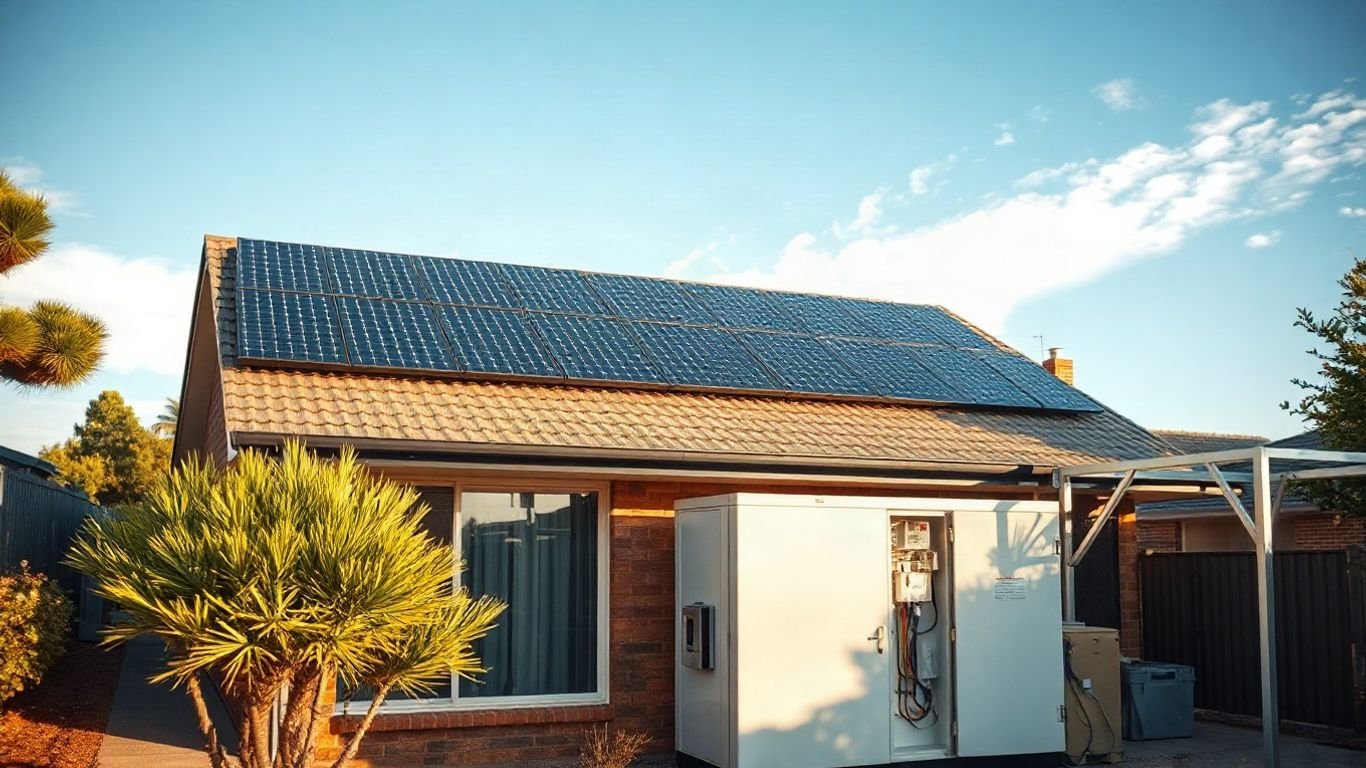
A typical installation may include solar panels, an inverter, battery modules, a meter, protection equipment and a communications connection. Some homes also need a backup gateway or a dedicated arrangement for selected circuits. The switchboard and cabling matter just as much as the battery enclosure because they determine how safely and legally the equipment can be connected. Ask for a single-line diagram so you can see what is being added and which parts of the home will be powered in an outage.
Who the system is designed for
A battery is most relevant to households with usable solar generation and a meaningful amount of electricity demand after sunset. It may also appeal to people who place a high value on backup power, although backup capability must be specified rather than assumed. Renters, homes with very low consumption and properties due for major electrical work may need a different approach. The best decision starts with interval energy data, not with the largest capacity advertised.
Choosing the right Anker SOLIX configuration
There is no universal battery size for an Australian home. A small household with modest evening demand can waste money on unused capacity, while a larger home may empty a smaller battery before the night is over. The system also needs to match solar generation and the electrical phase arrangement. Treat sizing as a design exercise involving several months of bills or interval data, not as a simple floor-area calculation.
Comparing storage capacity and household demand
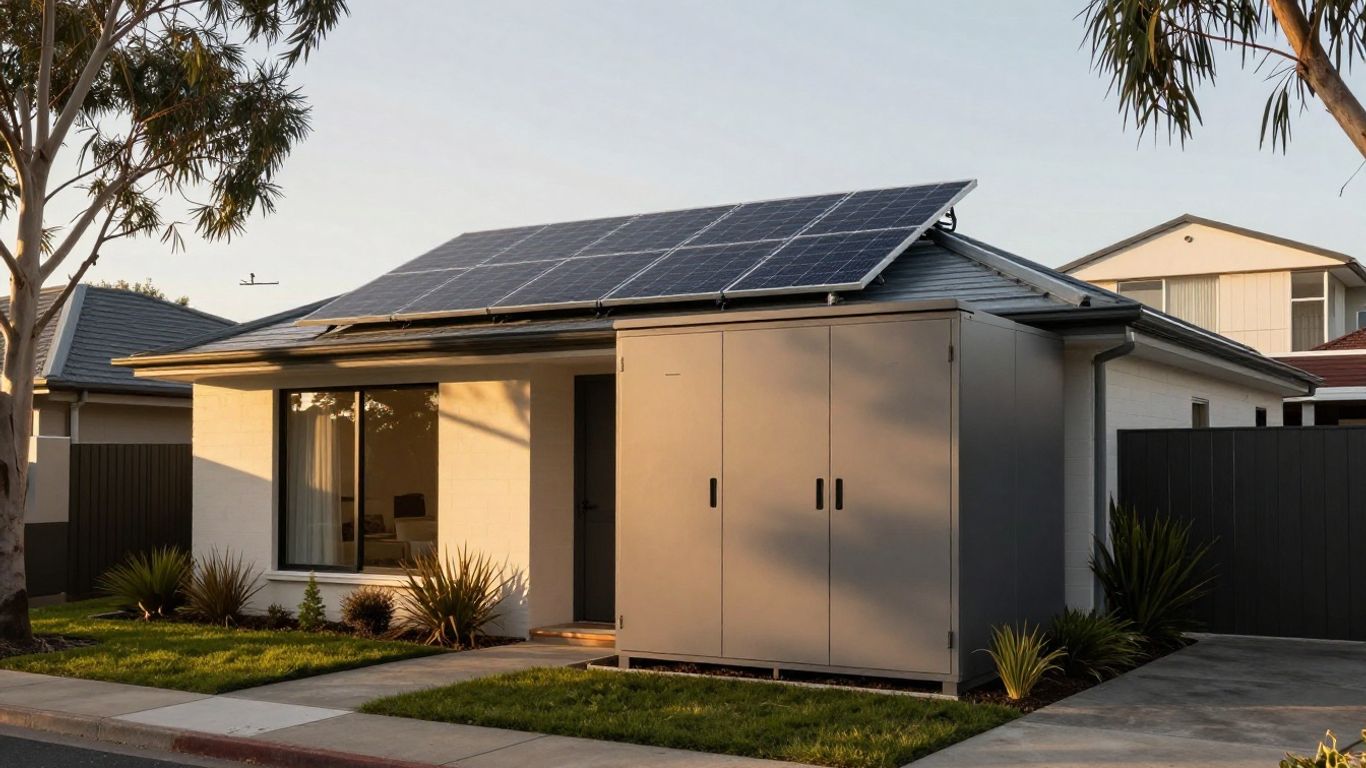
Capacity, measured in kilowatt-hours, indicates how much energy the battery can store; power, measured in kilowatts, indicates how quickly it can deliver energy. Those figures answer different questions. A battery might hold enough energy for several evening hours but still need careful circuit planning for high-load appliances. A useful first comparison looks at overnight consumption, expected backup loads and the amount of solar available to recharge the system.
A simple sizing conversation can be organised like this:
| Household pattern | Main sizing question | Practical focus |
|---|---|---|
| Low evening use | Will much capacity remain unused? | Avoid paying for storage that rarely cycles |
| Moderate evening use | How much solar can be shifted? | Match storage to regular night-time demand |
| High evening use | Can the battery cover priority loads? | Check both capacity and output power |
| Backup-focused home | Which circuits must remain live? | Confirm backup design and changeover equipment |
This table is a starting framework, not a quotation or engineering calculation. Seasonal solar production, battery reserve settings and unusually high loads can change the result, so the installer should model the home using actual consumption data.
Matching battery size to solar generation
A battery needs enough surplus solar to charge on a regular basis. If the array is small or winter generation is limited, a large battery may sit partly empty; if the array is generous and daytime exports are high, additional storage may capture more of that energy. The right balance also depends on whether the property already has solar and whether the proposed battery is AC-coupled or part of a new hybrid system. Review both summer and winter assumptions in the quote.
Single-phase and three-phase considerations
Australian homes may have single-phase or three-phase electrical supplies, and that distinction affects design, loads and approvals. A three-phase property does not automatically need a three-phase battery, nor does a single-phase home automatically qualify for every configuration. The installer should explain how solar generation, household circuits, phase balancing and backup operation will work together. This is one area where a product brochure cannot replace an on-site assessment.
Planning for future energy use
Think beyond current bills. An electric vehicle, induction cooking, a heat-pump hot-water system, pool equipment or a home office may alter the household’s load profile. Future demand can justify leaving room for expansion, but buying extra capacity years before it is needed may weaken the financial case. Discuss likely changes with the installer and ask whether the proposed system can be expanded under the relevant warranty conditions.
Evaluating performance, safety and reliability
Performance should be judged in the context of everyday use, not one headline specification. Usable capacity, output, round-trip losses, backup behaviour and software all shape the experience. Safety and service arrangements matter just as much, particularly because the system will remain installed for years. Independent Australian installation quality is part of reliability too.
Usable capacity, power output and efficiency
The advertised battery capacity is not always the same as the energy a homeowner can routinely access. Ask for usable capacity, recommended reserve settings and expected efficiency under the proposed operating conditions. Power output is equally relevant when several appliances run together. A good quote should distinguish the battery’s energy rating from the inverter’s continuous and peak output, rather than treating them as interchangeable.
Backup power during grid outages
Backup is not a universal feature of every solar-and-battery installation. It may require additional hardware, selected backup circuits and a different switchboard arrangement. Some systems will not power the whole home, and solar may not continue operating during an outage unless the design supports safe islanding. Ask what happens to refrigeration, lights, internet equipment, medical devices and larger appliances, and request the answer in writing.
A short product video can help explain the broad concept, but it cannot confirm what a particular Australian installation will do. Only the system design and installer documentation can establish the backed-up circuits, changeover time and operating limits for your address.
Battery chemistry, thermal management and safety features
Battery safety is influenced by chemistry, enclosure design, temperature management, electrical protection and installation location. Check the manufacturer’s technical documentation and Australian compliance information rather than relying on general statements about battery technology. The installer should also explain clearances, ventilation requirements, weather exposure, flood risk and access for maintenance. Safety is a property-specific question as much as a product question.
Monitoring energy use through the companion app
Monitoring software can show generation, household consumption, charging and discharging, but the exact screens and controls depend on the supplied system. Use the app as a way to identify patterns and spot unusual behaviour, not as a substitute for formal performance testing. Before signing, ask who owns the account, how data is handled and what happens if the internet connection fails. A system should continue its core electrical functions even when online monitoring is unavailable, subject to its design.
Estimating Anker home battery costs in Australia
The price of a home battery is rarely just the price of the battery modules. Capacity, inverter selection, installation complexity, switchboard work, backup equipment and local approvals can all affect the total. Quotes can therefore vary substantially between otherwise similar homes. Compare the complete installed scope, not just the headline equipment figure.
What influences the installed price
The main variables include storage capacity, inverter configuration, whether solar is new or existing, cable distances, mounting conditions and the number of circuits included in backup. Larger or more complex systems generally require more equipment and labour. Location may also affect travel, scheduling and installer availability. Ask each supplier to separate equipment, labour, electrical work and administration so the differences are visible.
Installation, switchboard and electrical upgrade costs
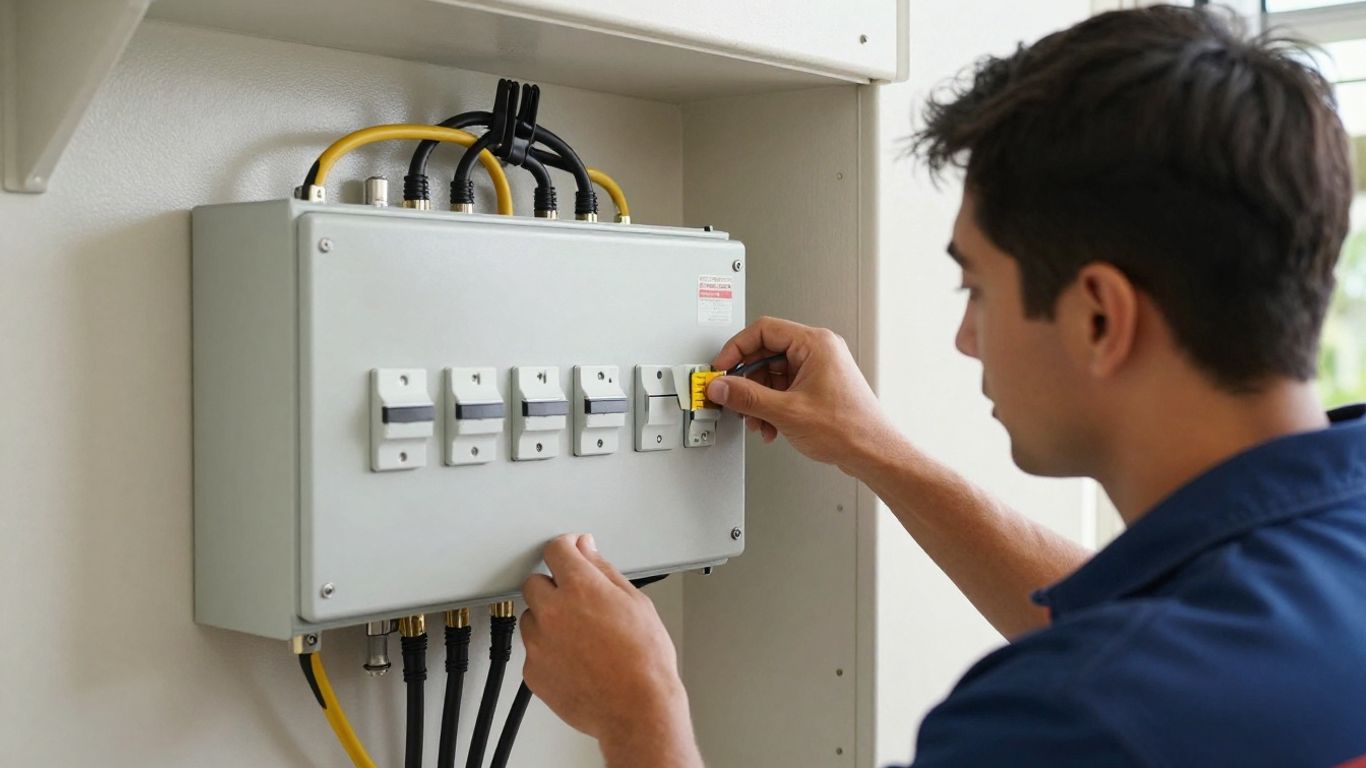
An older switchboard may need replacement or modification before a battery can be connected. Other possible costs include compliance work, new protection devices, trenching, roof or wall access, meter changes and repairs to existing solar equipment. None should be treated as an unavoidable extra without explanation. An itemised quote makes it easier to identify what is essential, what is optional and what has been allowed for only as a contingency.
How solar rebates and battery incentives may affect the total
Australian incentives can change over time and may differ by state, territory, system type and eligibility. Some schemes apply to approved products or accredited installers, while others have income, property or capacity conditions. Check current government and energy-authority guidance before relying on a rebate in your budget. A retailer’s estimate is useful, but it should state whether the incentive has already been deducted and what happens if approval is not granted.
Assessing payback against electricity tariffs
Payback should compare the battery’s expected annual benefit with the full installed cost and likely replacement or service expenses. Consider time-of-use prices, feed-in tariffs, fixed charges, battery degradation and the value you place on backup. A conservative model is more helpful than a best-case promise. For broader household budgeting, readers may also find these Australian saving strategies useful when weighing a large home improvement against other financial priorities.
Planning installation and grid connection
The installation process involves more than placing a cabinet on a wall. The property must have a suitable location, compliant electrical infrastructure and a connection arrangement accepted by the relevant network service provider. Export limits and approval requirements vary across Australia. Early preparation can prevent a technically suitable battery from becoming a delayed or unexpectedly expensive project.
Preparing your home for a battery installation
Clear access to the proposed location and check whether the surface is suitable for the equipment’s weight and mounting method. Keep the area away from likely flooding, heat sources and obstructed maintenance paths. Gather recent electricity bills, solar details and switchboard photographs before requesting quotes. If the home has unusual loads or backup requirements, identify them early rather than adding them on installation day.
Choosing an accredited Australian installer
Look for an installer with the relevant Australian accreditation and current experience with battery systems, not only rooftop solar. Confirm who will design the system, who will perform the electrical work and who will submit connection paperwork. It is reasonable to request references, insurance details and evidence of completed installations. The cheapest quote may not be the cheapest project if documentation, commissioning or after-sales support is missing.
Understanding approvals, export limits and connection rules
The local network may impose limits on export, inverter size or the way a battery operates alongside existing solar. Approval may be required before installation, and the final system may need inspection, testing or notification. These rules are not identical across states and networks. Your quote should identify who handles the application and whether the price includes any required metering or network fees.
What to expect on installation day
The team will usually confirm the location, isolate relevant circuits, install equipment, complete wiring and test the system. Commissioning should include checking charging, discharging, monitoring and any agreed backup circuits. Keep copies of the final electrical documents, warranties, manuals and shutdown instructions. A proper handover is valuable because it gives everyone in the household a clear way to operate the system safely.
Deciding whether an Anker battery suits your home
Battery storage can be useful, but it is not automatically the best next step for every property. The decision should combine energy data, expected time at the home, tariff structure, available solar and the value of backup. It is also sensible to compare the battery with non-battery options, such as changing appliance schedules or improving energy efficiency. A measured decision is usually better than chasing energy independence as a slogan.
Homes that can benefit most from energy storage
Homes with substantial solar exports and regular evening consumption often have a clear use for stored energy. Properties with time-of-use tariffs may also benefit when charging and discharging can be scheduled sensibly. Backup-focused households can value storage even when the financial payback is less compelling, provided the backed-up loads are clearly defined. Households should still check whether their solar system, meter and switchboard are ready for the proposed addition.
When a larger or smaller battery makes sense
A smaller battery may suit a compact household, a limited solar array or a home with little evening demand. A larger system can be reasonable where consumption is high, solar generation is substantial and the design supports regular cycling. More capacity is not inherently better: unused capacity increases the upfront cost without necessarily increasing savings. Look for the size that matches repeated daily behaviour rather than occasional peak consumption alone.
Situations where a battery may not deliver good value
A battery may be difficult to justify when solar generation is low, daytime consumption already absorbs most generation or the household is moving soon. Poor roof orientation, shading and major switchboard repairs can also weaken the business case. Very low electricity bills leave less room for savings. In those cases, efficiency upgrades, tariff comparison or waiting for clearer usage data may be more sensible.
Comparing Anker with other Australian home battery options
A fair comparison should cover usable capacity, continuous output, backup design, warranty terms, installer availability, monitoring and total installed cost. Avoid comparing one brand’s battery-only price with another system’s complete installation. The Australian market includes several system designs, so the key question is how each option fits your home and local network. Independent readers can also review Anker SOLIX X1 coverage alongside installer advice, while remembering that reviews and case studies are not guarantees of future performance.
Buying and managing an Anker home battery
The buying decision should finish with clear documentation, not just a verbal promise about savings. Read the quote, product specification and warranty together because an attractive feature may depend on particular installation conditions. Once installed, regular monitoring helps you understand whether the system is operating as expected. Local Insight’s broader household budgeting guidance may also help place the purchase within an emergency fund and long-term spending plan.
Questions to ask before requesting a quote
Before an installer visits, write down your current solar capacity, recent bills, backup priorities and likely future loads. Ask whether the proposed system is AC-coupled or hybrid, what usable capacity is expected and which circuits can be supported during an outage. Also request a full installed price, estimated annual savings and a list of exclusions. These questions make competing quotes easier to compare.
Reviewing warranties, support and service coverage
Check the warranty period, throughput or cycle conditions, capacity retention terms and exclusions. Find out whether labour, travel and replacement components are covered, and whether the warranty is administered locally or through another channel. Support arrangements matter if the installer changes business or the system develops a fault after several years. Keep invoices, commissioning records and serial numbers in one accessible place.
Checking software, maintenance and upgrade options
Ask how software updates are delivered and whether the system needs an ongoing internet connection for any particular function. Confirm what maintenance is recommended, who performs it and whether adding modules later is permitted. If an expansion is possible, check whether new and older modules can operate together under the warranty. For context on how digital products can involve ongoing security and support considerations, readers can explore this Ledger hardware wallet guide, although it concerns a different category of technology.
Measuring savings and system performance over time
After commissioning, record solar generation, grid imports, exports and battery activity across representative months. Compare those figures with the assumptions in the quote, allowing for weather, changing tariffs and household routines. A sudden change in charging behaviour, unexpected outages or unexplained alerts deserves an installer review. Energy decisions also benefit from thinking about the wider system around the product; the idea of Environment Architecture, for example, is a useful reminder that reliable outcomes often depend on good design rather than one component alone.
A few unrelated household decisions can feel just as personal: people may compare a local night out at Hot Water Comedy Club, think about Feng Shui when arranging a home, or research Alaska real estate leads for a property business. Those topics sit outside battery planning, but they illustrate why useful decisions begin with the details of the place, the people and the intended outcome. For a home energy purchase, that means returning to your own data and installation requirements.
Conclusion
An Australian home battery deserves a careful, property-specific assessment rather than a quick comparison of capacity or price. Review solar generation, evening demand, backup expectations, switchboard condition, network rules and the complete installed cost before choosing a configuration. With a detailed quote and realistic savings assumptions, storage can be a practical way to make better use of rooftop solar and plan household energy use with greater confidence.
Frequently Asked Questions
Is a home battery worth it in Australia?
It can be worthwhile for a household with suitable solar generation, regular evening demand or a strong preference for backup power. The answer depends on the installed price, tariffs, usage patterns, incentives and how long you expect to remain at the property.
How much battery capacity does an average home need?
There is no single average size that suits every home. Capacity should reflect overnight consumption, solar generation, desired backup loads and the battery’s operating reserve, with seasonal conditions included in the assessment.
Can a battery power a home during a blackout?
Only if the installation is designed and approved for backup operation. Some systems support selected circuits rather than the entire home, and backup may require additional equipment and switchboard changes.
Do I need solar panels before installing a battery?
Not necessarily. A battery can be paired with existing solar or designed as part of a new system, but the best arrangement depends on the inverter, connection rules, tariffs and the property’s energy profile.
What extra costs should be included in a battery quote?
Allow for labour, switchboard work, protection equipment, cabling, mounting, metering, approvals, backup hardware and possible repairs to existing solar equipment. An itemised quote should identify inclusions, exclusions and contingencies.
How long does a home battery installation take?
The physical work may be completed in a day for some homes, but timing varies with site access, switchboard changes, equipment availability and network approval. Ask the installer about both the installation date and the commissioning process.
How can I check whether my battery is saving money?
Compare measured solar generation, grid imports, exports and battery activity with your pre-installation bills and the quote’s assumptions. Review the figures across several seasons and account for tariff changes, weather and changes in household consumption.