
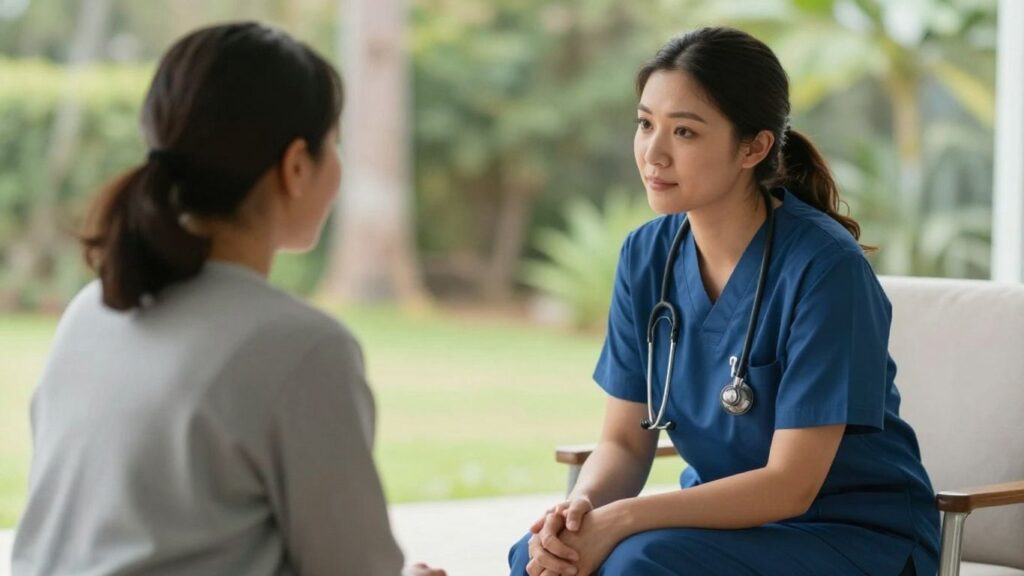
So, you’re wondering what a credentialed mental health nurse actually does here in Australia? It’s a bit more than just a regular nurse, really. Think of them as specialist nurses who’ve gone the extra mile to get recognised for their skills in mental health. They’re the ones you’ll find working with people through some pretty tough times, offering support and helping them find their way forward. It’s a role that requires a specific set of skills and a whole lot of dedication.
Key Takeaways
- A credentialed mental health nurse is a registered nurse with extra qualifications and experience in mental health care, recognised through a formal credentialing process.
- They provide direct psychological therapies, coordinate care plans, monitor medications, and offer health education to clients.
- These nurses work in various settings, including community health services, hospitals, and private practices, and can also provide telehealth support.
- Credentialed mental health nurses support individuals with a wide range of mental health conditions, from anxiety and depression to psychosis and substance abuse issues.
- Being credentialed offers professional recognition, potential access to Medicare Benefits Schedule items, and assures the public of specialist skills in mental health nursing.
Understanding The Role Of A Credentialed Mental Health Nurse
What Is A Credentialed Mental Health Nurse?
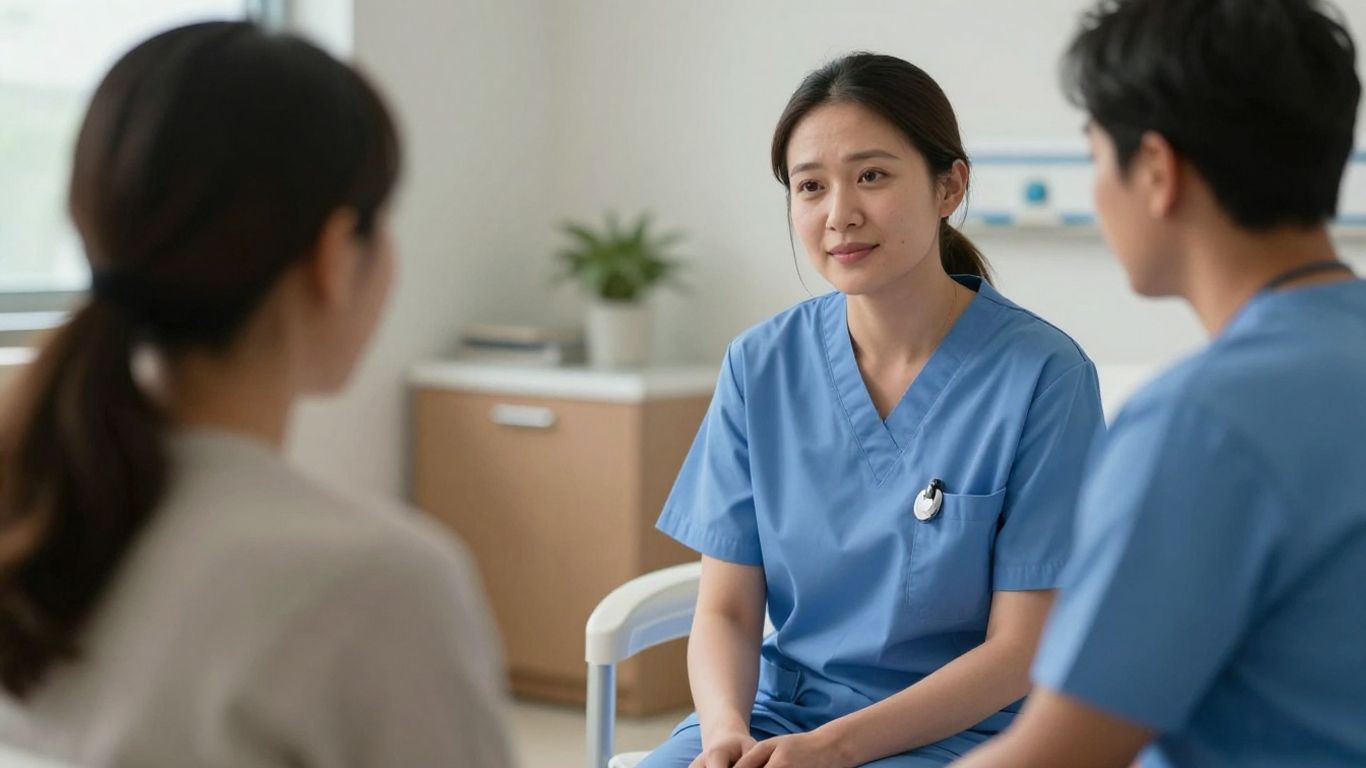
A Credentialed Mental Health Nurse (CMHN) is a registered nurse who’s gone the extra mile. They’ve met specific criteria showing they’ve got the skills, experience, and commitment to really excel in mental health care. Think of it as a formal stamp of approval for their specialist knowledge. This credentialing process means they’ve proven their registration, education, practical experience, ongoing professional development, and integrity are all up to a high standard. It’s about being recognised for what you know and what you can do in a field that really needs skilled professionals. The Australian College of Mental Health Nurses (ACMHN) manages this credentialing, making sure CMHNs are known for their dedication to excellence.
Specialist Skills And Expertise
These nurses bring a particular set of skills to the table. They’re not just general nurses; they’ve honed their abilities in areas like psychological therapies, which can include things like Cognitive Behaviour Therapy (CBT) or motivational interviewing. They’re also pretty good at coordinating care, making sure all the different bits of a person’s support system are talking to each other. Plus, they can monitor medications and offer education on staying healthy and well. It’s a broad skill set that allows them to support people through some pretty tough times.
- Providing psychological therapies
- Coordinating care plans
- Monitoring medications
- Offering health and wellbeing education
Formal Recognition And Professional Standing
Getting credentialed isn’t just a pat on the back; it’s a formal recognition that sets these nurses apart. It means employers can be more confident in their abilities, and it gives the public assurance that they’re dealing with a specialist. This professional standing is increasingly important as the health system evolves. It helps to build trust and shows a commitment to maintaining high standards in mental health nursing. For the nurses themselves, it can lead to better career paths and a real sense of professional pride. It’s a way to be known for your skills and dedication to the profession, potentially opening doors to new career opportunities.
The credentialing process highlights a nurse’s advanced skills and experience, providing a benchmark for quality mental health care and professional accountability.
Core Responsibilities And Scope Of Practice
So, what exactly does a Credentialed Mental Health Nurse (CMHN) get up to day-to-day? It’s a pretty broad role, really, touching on a lot of different areas to support people with their mental wellbeing. They’re not just handing out pills, though that can be part of it. A big chunk of their work involves talking with people, figuring out what’s going on, and helping them find ways to cope and get better.
Providing Psychological Therapies
CMHNs are trained to use a few different talking therapies. Think of things like Cognitive Behavioural Therapy (CBT), which helps people look at unhelpful thought patterns and behaviours, or Strengths-Based Therapy, focusing on what people are good at. They might also use motivational interviewing to help people make changes they want to make. It’s about equipping people with tools they can use themselves.
Care Coordination And Planning
This is a really important part of the job. CMHNs often act as a central point of contact, making sure everyone involved in a person’s care is on the same page. This means liaising with GPs, psychiatrists, psychologists, and other support services. They help put together a care plan, which is basically a roadmap for recovery, and then keep an eye on how it’s going, making adjustments as needed. It’s about making sure the support is joined up and makes sense for the individual.
Medication Monitoring And Support
While CMHNs don’t typically prescribe medication, they play a key role in monitoring how people are responding to their prescribed treatments. This involves checking for side effects, seeing if the medication is actually helping, and talking to the person about their experiences. They can also help people understand why they’re taking certain medications and how they fit into the overall treatment plan. This is especially important for people with more complex conditions who might be on several different medications.
Health And Wellbeing Education
CMHNs also focus on the bigger picture of health. This can include educating people about how physical health impacts mental health, and vice versa. They might talk about things like diet, exercise, and sleep, and how these can make a difference. They also provide general education on mental health conditions, helping people and their families understand what’s happening and how to manage it better. The goal is to help people live healthier, more balanced lives overall.
It’s not just about treating the illness; it’s about promoting wellness and helping people build resilience for the future. This holistic approach is what makes the CMHN role so impactful in the Australian mental health landscape.
Where Credentialed Mental Health Nurses Work
So, where do these specialist nurses actually hang out? It turns out they’re not just confined to one type of place. Credentialed Mental Health Nurses (CMHNs) are found across a pretty wide spectrum of Australian healthcare settings, making them accessible to a lot of people who need their help. Their presence is felt in both public and private sectors, reflecting the diverse needs of individuals experiencing mental health challenges.
Community Mental Health Services
This is a big one. Many CMHNs work within community mental health teams. Think of local health districts or specific community centres. Here, they often provide ongoing support, therapy, and care coordination for people living with more complex or severe mental health conditions. They might be the main point of contact for someone managing their recovery outside of a hospital setting. They also do a lot of work with GPs and other local services to make sure everyone’s on the same page.
Hospital Settings And Clinics
Of course, hospitals are a major hub for mental health care. CMHNs work in acute psychiatric wards, mental health units within general hospitals, and specialist clinics. In these environments, they’re involved in crisis intervention, assessment, treatment planning, and supporting patients during their inpatient stay. They work closely with psychiatrists, registrars, and other allied health professionals to manage patient care.
Private Practice Opportunities
Increasingly, credentialed nurses are establishing or working within private practices. This allows them to offer specialised therapeutic interventions, often with a focus on specific conditions like anxiety, depression, or trauma. While access to Medicare Benefits Schedule (MBS) items for mental health nurses is still a point of advocacy, their presence in private practice is growing, offering another avenue for people to seek support. This is a great way to get recognised for your skills [e8bb].
Remote And Telehealth Support
Technology has opened up so many doors, and mental health nursing is no exception. CMHNs are increasingly providing support via telehealth – think phone calls, video consultations, and secure messaging. This is a game-changer for people in rural or remote areas who might not have easy access to local services, or for those who find face-to-face appointments challenging. It means that specialised care can reach more people, no matter where they are in Australia.
Working With Diverse Client Needs

Supporting Severe Mental Health Issues
Credentialed Mental Health Nurses (CMHNs) are often at the forefront of supporting individuals experiencing severe and complex mental health conditions. This can include conditions that significantly disrupt daily life, impacting social interactions, personal functioning, and work. The role involves regular check-ins to monitor mental health status and recovery goals, ensuring a consistent approach to care. They work closely with GPs, psychiatrists, and other health professionals to create a cohesive support plan. This integrated approach is vital for individuals who may have experienced hospitalisation or are at risk of it.
Addressing Anxiety And Depression
While CMHNs handle complex cases, they also provide support for more common conditions like anxiety and depression. They use various therapeutic approaches, such as Cognitive Behavioural Therapy (CBT) and Strengths-Based Therapy, to help individuals develop coping mechanisms and manage their symptoms. This might involve teaching mindfulness techniques or motivational interviewing to encourage positive changes. The goal is to equip clients with practical tools to navigate their challenges and improve their overall wellbeing.
Managing Psychosis And Bipolar Disorder
Working with individuals experiencing psychosis or bipolar disorder requires a specialised skillset. CMHNs play a key role in medication monitoring and support, which is often a critical component of managing these conditions. They also provide education on physical health, as there can be increased risks of metabolic syndrome associated with certain medications. By liaising with families and support networks, CMHNs help create a stable environment for recovery. Building cultural competence in healthcare is essential for supporting practices and fostering inclusive care within Australia’s diverse communities. This approach ensures that healthcare providers can effectively meet the needs of all patients.
Assisting With Substance Abuse Concerns
Often, mental health issues and substance abuse go hand-in-hand. CMHNs are equipped to address these co-occurring concerns. They can provide support and education, helping individuals understand the links between their mental health and substance use. This might involve motivational interviewing to encourage reduced use or referral to specialised addiction services. The focus is on a holistic approach, recognising that addressing both aspects is key to long-term recovery and improved quality of life.
Collaboration And Advocacy In Mental Health Care
Working as a Credentialed Mental Health Nurse (CMHN) in Australia isn’t a solo gig. It’s all about teamwork and speaking up for better care. You’re often the central point, connecting different people and services to make sure someone gets the best possible support.
Liaising With Other Health Professionals
CMHNs are part of a bigger picture. They regularly chat with GPs, psychiatrists, psychologists, and allied health workers. This isn’t just a quick hello; it’s about sharing important info, making sure everyone’s on the same page about a client’s treatment plan, and avoiding any mix-ups. Think of it like a well-oiled machine where each part knows what the other is doing. This kind of teamwork is really important for effective healthcare structures.
Involving Family And Support Networks
People don’t exist in a vacuum, right? A big part of a CMHN’s job is bringing in the client’s family, friends, or other support people if the client wants them involved. This can make a huge difference in someone’s recovery journey. Having a solid support system can mean the world, and CMHNs help build and maintain those connections.
Advocating For Enhanced Services
Sometimes, the services available just aren’t enough, or they could be better. CMHNs are in a prime position to see where the gaps are. They can advocate for more resources, better access to treatments, or even new programs. This might involve talking to hospital managers, government bodies, or professional organisations. The goal is always to improve mental health care for everyone.
Contributing To Workforce Standards
Being credentialed means you’ve met a certain standard. CMHNs contribute to lifting the bar for mental health nursing across the country. They share their knowledge, mentor newer nurses, and participate in professional development. This helps to build a stronger, more skilled mental health nursing workforce. Finding the right mentor or supervisor is also key, and resources exist to help with that, like a clinical supervisor database.
Being a CMHN means you’re not just providing care; you’re actively shaping the future of mental health services through collaboration and a commitment to quality.
Benefits Of Being A Credentialed Mental Health Nurse
Enhanced Career Opportunities
Getting credentialed as a mental health nurse in Australia really opens up doors. It’s like getting a special badge that says you’ve reached a certain level of skill and dedication. This can make you stand out when applying for jobs, especially those that require a specialist. Employers often see it as a sign that you’re serious about your profession and have met rigorous standards. It’s not just about getting a job, though; it’s about getting the right job, one where you can really make a difference.
Access To Medicare Benefits Schedule Items
One of the practical perks of being a Credentialed Mental Health Nurse (CMHN) is the ability to access certain items under the Medicare Benefits Schedule (MBS) when working in private practice. While the scope is currently limited, it’s a step towards greater recognition and remuneration for the specialised care provided. The Australian College of Mental Health Nurses (ACMHN) is actively working to expand these access rights, advocating for CMHNs to be able to claim for a wider range of services. This advocacy is important for recognising the value of mental health nurses.
Professional Development And Pride
The process of becoming credentialed itself is a journey of professional growth. It requires you to reflect on your practice, identify areas for development, and commit to ongoing learning. This commitment not only sharpens your skills but also builds a strong sense of professional pride. Knowing you’ve met a high standard and are recognised for it is a significant personal achievement. It’s about feeling confident in your abilities and your contribution to mental healthcare. This focus on growth is something Rasa Kabaila also highlights as key for nurses.
Public Assurance Of Specialist Skills
For the public, credentialing provides a clear signal that a mental health nurse has a specific set of advanced skills and experience. It offers reassurance to clients and their families that they are receiving care from a qualified specialist. This transparency builds trust and confidence in the mental health nursing profession. It helps people make informed choices about who they seek support from, knowing that a CMHN has met established criteria for practice and professional conduct.
Here’s a quick look at what credentialing signifies:
- Formal recognition of advanced skills.
- Commitment to ongoing professional development.
- Adherence to high practice standards.
- Increased credibility within the healthcare sector.
Being credentialed means you’ve gone the extra mile. It’s a testament to your dedication and a clear indicator to employers and clients alike that you possess a specialised skill set honed through experience and continuous learning. It’s a mark of distinction in a field that demands both compassion and competence.
So, What’s the Takeaway?
Basically, a Credentialed Mental Health Nurse in Australia is a registered nurse who’s gone the extra mile. They’ve got specialised training and experience, and they’re recognised for it. They can help people with all sorts of mental health stuff, from anxiety and depression to more serious conditions. You might find them working in hospitals, in the community, or even in GPs’ offices. They’re part of a bigger team, working to help people get better and manage their lives. It’s a pretty important role, and getting credentialed means they’re serious about what they do and are recognised for their skills.
Frequently Asked Questions
What makes a mental health nurse ‘credentialed’ in Australia?
To be a ‘credentialed’ mental health nurse in Australia, a nurse needs to show they have special skills and experience in mental health care. This means they’ve met certain requirements for their training, how long they’ve been working, and their professional conduct. It’s like getting a special badge that says they’re a top expert in looking after people’s mental wellbeing.
What sort of things do credentialed mental health nurses help with?
These nurses can help with a lot of different mental health challenges. They might help people who are feeling really down, very worried, or even experiencing things like seeing or hearing things that aren’t there. They also help people manage conditions like bipolar disorder and can support those dealing with drug or alcohol problems alongside their mental health.
Where can I find a credentialed mental health nurse?
You can find them working in many places! This includes community mental health centres, hospitals, and even in private practices. Sometimes, they also offer help through phone or online calls, which is great for people who can’t easily get to a clinic.
Can they help with my medication?
Yes, absolutely. A big part of their job is helping you understand and manage any medications you’re taking for your mental health. They’ll keep an eye on how you’re doing with them and make sure you know how and when to take them correctly.
Do they talk to other doctors or health workers?
Definitely. Credentialed mental health nurses are excellent at working with other professionals, like your GP or psychiatrist. They make sure everyone involved in your care is on the same page, sharing important information to give you the best possible support.
Can I get help from a credentialed mental health nurse if I’m not in a crisis?
Yes, you can! While they can help in emergencies, their role is also about long-term wellbeing. They can help you develop strategies to cope with stress, plan your recovery, and generally improve your mental health, not just deal with immediate problems.