Feeling a bit overwhelmed lately? Life can throw a lot at you, and sometimes you just need a break to reset. If you’re in Victoria and looking for a way to recharge your batteries without breaking the bank, you’re in luck. There are some great places offering free mental health retreats that can help you find some peace. This guide is all about discovering those spots and how they can help you feel more like yourself again.
Key Takeaways
- Victoria offers access to nature-based retreats that use the healing power of the outdoors to help you relax.
- These retreats often include activities like forest bathing, yoga, and meditation to support mental wellness.
- They can provide a supportive space for dealing with difficult times like grief, burnout, or major life changes.
- Some programs offer unique therapies such as equine assisted learning for personal growth.
- Finding and preparing for free mental health retreats in Victoria is a practical step towards improving your wellbeing.
Embrace Nature’s Healing Power
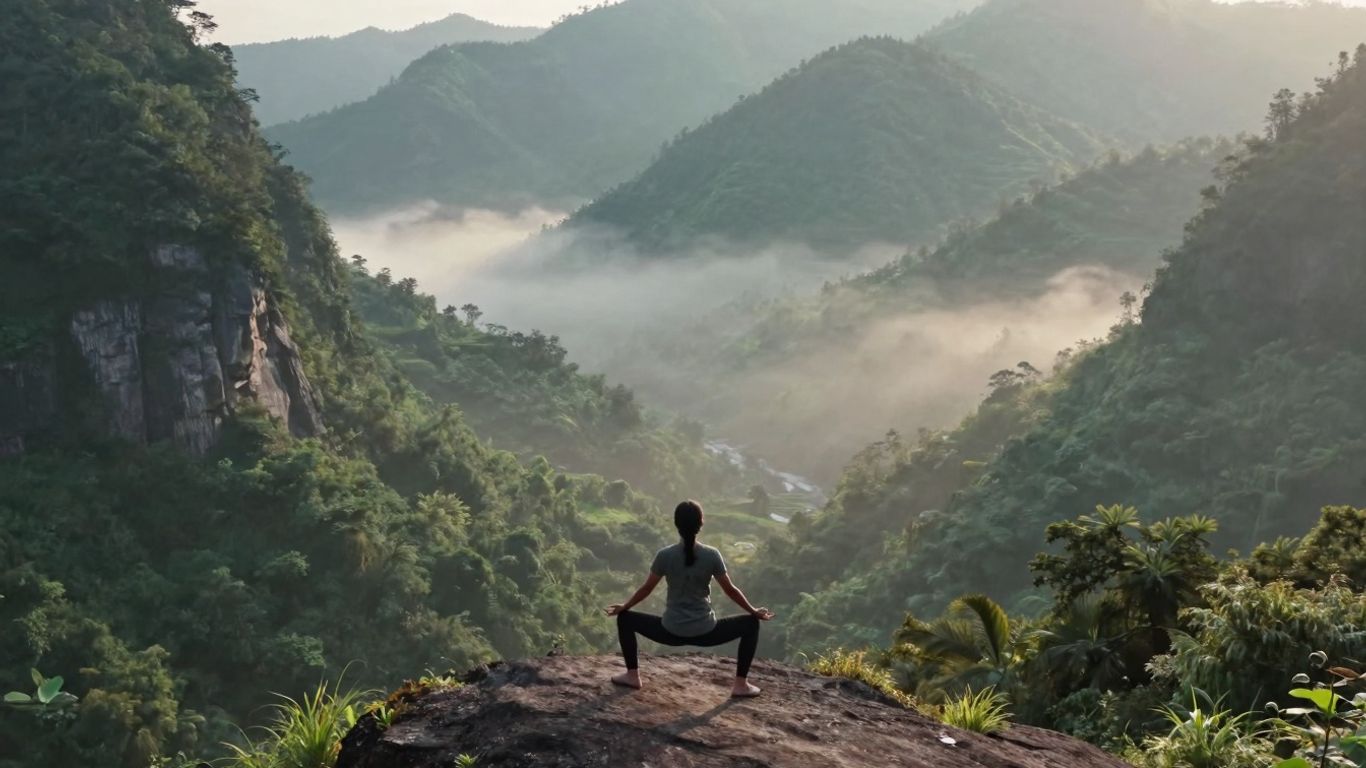
Sometimes, life just gets too much, doesn’t it? We get caught up in the daily grind, and before we know it, we’re feeling completely drained. That’s where nature comes in. Victoria has some incredible spots where you can just unplug and let the natural world work its magic on you. It’s amazing how being surrounded by trees or listening to the sounds of a river can actually calm your nervous system down. It’s like a gentle reset button for your mind and body.
Restorative Retreats by the Yarra River
Imagine waking up to the gentle sounds of the Yarra River, with tall gum trees all around. Places like this offer a real chance to step away from the chaos. You can just be, breathe in the fresh air, and feel the stress melt away. It’s not about doing anything special, just about allowing yourself to rest and recharge in a peaceful environment. This kind of natural setting is perfect for finding that quiet space within yourself.
Forest Bathing and Redwood Forest Experiences
Have you ever heard of forest bathing, or ‘Shinrin-yoku’? It’s basically just spending time in a forest and taking it all in through your senses. Walking amongst towering redwoods or through local bushland can be incredibly grounding. It helps you connect with the earth and feel a sense of wonder. It’s a simple yet powerful way to reconnect with yourself and the world around you.
Nature-Based Therapies for Wellbeing
These retreats often incorporate therapies that use nature as their main tool. Think about activities that engage your senses – feeling the texture of bark, smelling the eucalyptus, listening to the birds. These aren’t just pleasant experiences; they’re designed to help regulate your nervous system. They can help you feel safer, more present, and part of something bigger than your worries.
Here’s a look at what some of these nature-based activities might involve:
- Sensory Engagement: Actively noticing sights, sounds, smells, and textures in nature.
- Mindful Walking: Moving slowly through natural environments, paying attention to your surroundings.
- Nature Observation: Simply sitting and observing the natural world without judgment.
- Creative Expression: Using natural elements for art or journaling.
Spending time in nature isn’t just a nice break; it’s a way to actively support your mental and emotional health. It provides a neutral, calming space that can help regulate your body’s stress response, bringing a sense of balance back into your life.
Holistic Approaches to Mental Wellness
Sometimes life throws a lot at you all at once, and it can feel like you’re just trying to keep your head above water. That’s where a holistic approach to your mental wellbeing really shines. It’s not just about ticking boxes; it’s about looking at the whole picture – your mind, your body, and your spirit – and finding ways for them to work together better.
Evidence-Based Restorative Activities
These aren’t just random activities; they’re designed with solid research behind them to help your nervous system find its balance. Think about it: when you’re constantly on edge, your body’s ‘fight or flight’ response is always on. Restorative activities help switch that off, letting your body relax and repair. This can mean things like gentle movement, spending time in nature, or even just quiet reflection. The goal is to help you feel more grounded and less overwhelmed.
Mindfulness and Self-Regulation Techniques
Learning to manage your own thoughts and feelings is a superpower, honestly. Mindfulness is all about paying attention to the present moment without judgment. It sounds simple, but it takes practice. Techniques like deep breathing, body scans, or simply noticing your surroundings can help you step back from stressful thoughts. Self-regulation is the next step – using these tools to calm yourself down when you’re feeling anxious or upset. It’s about building up your ability to handle whatever comes your way.
Therapeutic Support and Personal Growth
While self-help is great, sometimes you need a bit of expert guidance. Free retreats often bring in professionals who can offer support tailored to your needs. This isn’t about being ‘fixed’, but about having someone walk alongside you as you explore what’s going on. They can help you understand patterns in your thinking or behaviour and offer strategies for personal growth. It’s about gaining new perspectives and building resilience for the long haul.
Finding ways to support your mental wellbeing doesn’t have to be complicated or expensive. It’s about finding what works for you and integrating it into your life, bit by bit. These holistic approaches are designed to give you the tools and the space to do just that.
Finding Peace Amidst Life’s Transitions

Life throws curveballs, doesn’t it? Sometimes it feels like you’re just trying to keep your head above water, especially when things get tough. Whether it’s dealing with the pain of losing someone, the end of a significant relationship, or just feeling completely wiped out from work and stress, these moments can really take a toll. It’s during these times that finding a quiet space to just be becomes incredibly important. Free mental health retreats in Victoria can offer just that – a chance to step away from the chaos and find some calm.
Support for Grief and Relationship Breakdowns
Losing someone you love, or going through a breakup, is incredibly hard. It’s okay to feel lost, sad, or even angry. These feelings are normal, but they can be overwhelming. Retreats can provide a safe space to process these emotions without judgment. You’re not alone in this, and sometimes, just being around others who understand, or having quiet time in nature, can make a world of difference. It’s about giving yourself permission to grieve and start healing.
Recovery from Burnout and Chronic Stress
Are you running on empty? Burnout and chronic stress aren’t just about feeling tired; they can affect your whole body and mind. Think constant tension, trouble sleeping, and just feeling flat. It’s a sign that your system needs a serious break. Retreats focused on restorative practices are designed to help reset your nervous system. They offer gentle activities and quiet time to help you recover and build resilience. It’s about learning to slow down and recharge properly.
Navigating Major Life Changes
Big changes, like a new job, moving house, or even just a shift in family dynamics, can be unsettling. Even positive changes can be stressful! These transitions can leave you feeling unsure or anxious about the future. A retreat can offer a chance to reflect, gain perspective, and prepare yourself for what’s next. It’s a space to reconnect with yourself and find your footing again. You can explore some of the best mental health retreats in Victoria to see what might suit you.
Sometimes, the most productive thing you can do is to step back and allow yourself time to heal. It’s not about running away from problems, but about creating the space needed to face them with renewed strength and clarity.
Here’s what you might find helpful during these times:
- Quiet Reflection: Dedicated time for journaling or simply sitting in nature.
- Gentle Movement: Activities like mindful walking or very light yoga to ease physical tension.
- Supportive Conversations: Opportunities to connect with others or facilitators if you feel ready.
- Restorative Practices: Techniques aimed at calming the nervous system and promoting deep relaxation.
These retreats aren’t a quick fix, but they can be a powerful starting point for your journey back to wellbeing. They offer a chance to pause, breathe, and remember that you deserve peace and care, especially when life feels overwhelming.
Nurturing Your Inner Self

Equine Assisted Learning Sessions
Sometimes, connecting with animals can be a really grounding experience. Equine assisted learning uses horses to help people understand themselves better. It’s not about riding, but more about interacting with these big, gentle creatures. You might learn about communication, trust, and how you react in different situations, all guided by a facilitator. It can be surprisingly effective for building self-awareness and confidence.
Gentle Yoga and Meditation Practices
These practices are all about slowing down and tuning into your body and mind. Gentle yoga focuses on simple movements and stretches that are easy on the body, helping to release tension you might not even know you’re holding. Meditation, on the other hand, is about finding a quiet space within yourself. Even just a few minutes a day can make a difference.
- Focus on breath: Simple breathing exercises can calm your nervous system.
- Mindful movement: Gentle stretches help release physical tension.
- Quiet reflection: Taking time to just be, without doing anything.
Relaxation Massage and Healing Therapies
Getting a massage can feel like a real treat, but it’s also a powerful way to help your body and mind relax. Therapies like massage work on releasing tight muscles and improving blood flow, which can help you feel more at ease. Other healing therapies might involve things like sound baths or gentle bodywork, all aimed at helping you feel more balanced and peaceful.
Taking time for these kinds of therapies isn’t selfish; it’s a necessary part of looking after yourself, especially when life gets tough. It’s about giving your system a chance to recover and reset.
Your Journey to Wellbeing in Victoria
Discovering Free Mental Health Retreats
Finding a free mental health retreat in Victoria might sound like a dream, but it’s more achievable than you think. These places are designed to give you a break, a chance to reset without the financial stress. They often focus on nature, quiet reflection, and simple, restorative activities. The key is knowing where to look and understanding what they typically offer. Many are run by community organisations or have specific funded programs. Keep an eye out for events like the Detox Your Mind Victoria Day Retreat, which offers a free day focused on mindfulness and renewal. It’s a great starting point to experience a taste of what a longer retreat might provide.
Preparing for Your Retreat Experience
Once you’ve found a retreat that feels right, a bit of preparation can make a big difference. Think about what you hope to get out of your time away. Are you looking for peace and quiet, a chance to connect with nature, or maybe some gentle guidance? Pack light, comfortable clothing, good walking shoes, and anything that helps you feel relaxed, like a journal or a favourite book. It’s also a good idea to let someone know where you’ll be and when you expect to be back. Remember, these retreats are about taking care of yourself, so try to let go of everyday worries before you even arrive.
Here’s a quick checklist to get you started:
- Comfortable clothing for various weather
- Walking shoes
- Personal toiletries
- A journal and pen
- Any personal comfort items (e.g., a favourite blanket, book)
- Medication (if applicable)
Sustaining Positive Changes Post-Retreat
Leaving a peaceful retreat environment and returning to daily life can be a bit of a jolt. The goal is to bring some of that calm and clarity back with you. Think about the techniques and insights you gained during your stay. Did you enjoy the mindfulness sessions? Did spending time in nature help you feel more grounded? Try to incorporate small, manageable practices into your routine. This could be a few minutes of meditation each morning, a short walk in a park, or simply taking a few deep breaths when you feel overwhelmed. Building a support network, whether it’s friends, family, or a local group, can also help you stay on track. Small, consistent efforts are more effective than trying to overhaul everything at once.
The transition back home is just as important as the retreat itself. Plan for a gentle re-entry, perhaps by scheduling some quiet time for yourself on your first day back. Don’t expect to be instantly ‘fixed’, but rather focus on integrating the positive experiences and tools you’ve acquired.
Ready to Recharge?
So, there you have it. Finding a bit of peace and quiet doesn’t always mean you have to spend a fortune. Victoria has some great spots offering free mental health retreats, perfect for hitting the reset button. Whether you’re dealing with stress, burnout, or just need some time out, these places offer a chance to reconnect with yourself and nature. Have a look around, see what calls to you, and take that first step towards feeling a bit better. You deserve it.
Frequently Asked Questions
Are there really free mental health retreats in Victoria?
While many retreats cost money, there are some fantastic options in Victoria that focus on wellbeing and nature, sometimes with very affordable or even free community programs. It’s worth looking into places that offer nature-based healing or community support, as they might have special deals or volunteer opportunities that can make them more accessible. Keep an eye out for local initiatives and organisations that champion mental health.
What kind of activities can I expect at these retreats?
You’ll often find a mix of relaxing and rejuvenating activities. Think gentle yoga, quiet meditation sessions, and mindful walks in nature, like forest bathing. Some retreats might also include things like art therapy, journaling, or group chats to help you process your feelings. The goal is to help you unwind and connect with yourself.
Can these retreats help if I’m going through a tough time, like a breakup or burnout?
Absolutely. Many retreats are designed specifically for people dealing with life’s challenges. Whether you’re recovering from a stressful job, dealing with grief, or navigating big changes, these places offer a safe space to heal. You’ll get support and learn tools to help you cope better.
What’s ‘forest bathing’ and why is it good for mental health?
Forest bathing, or ‘Shinrin-yoku’ in Japanese, is basically spending time in a forest and mindfully taking in the natural atmosphere. It’s not about hiking or exercise, but more about soaking in the peace and quiet. Studies show it can lower stress hormones, boost your mood, and improve your focus. It’s like a natural reset button for your mind.
How do I prepare for a mental health retreat?
It’s a good idea to pack comfortable clothes for relaxing and maybe some for walking outdoors. Bring a journal if you like writing things down. Most importantly, go with an open mind and a willingness to be gentle with yourself. Think of it as a chance to recharge and focus on your own needs for a bit.
What happens after the retreat to keep the good feelings going?
Many retreats offer support even after you leave, like sharing resources or tips. The key is to try and keep up with some of the practices you learned, like daily mindfulness or spending time in nature. Even small, consistent efforts can make a big difference in how you feel day-to-day.