
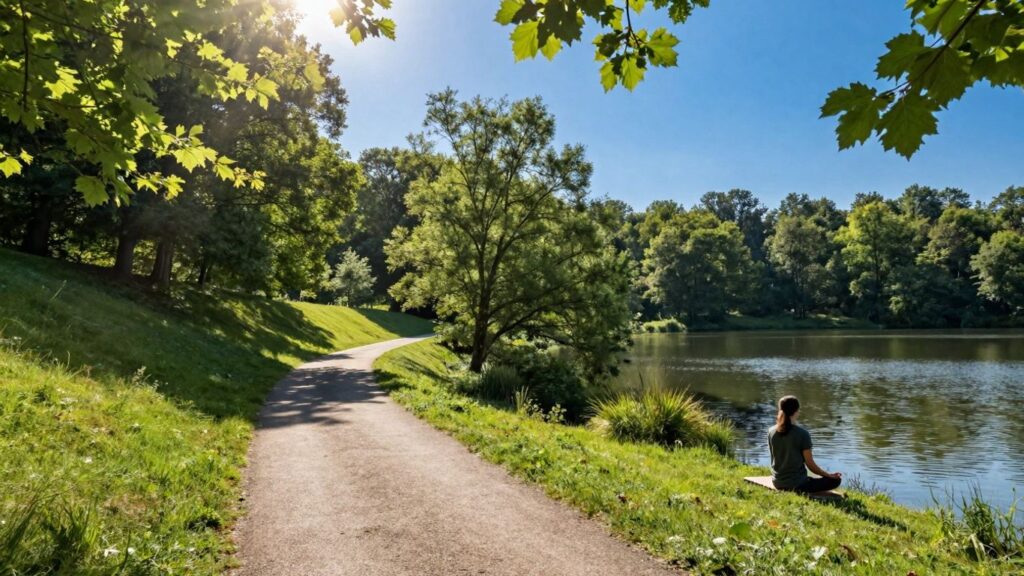
Right then, 2025 is just around the corner, and if you’re thinking about giving your health a bit of a boost, you’ve come to the right place. This article is all about embracing naturally wellness, looking at the whole picture instead of just one bit. We’ll cover what it means to be truly healthy, how to get more energy, and some simple ways to keep things balanced. Think of it as your friendly guide to feeling good, inside and out, without all the fuss.
Key Takeaways
- Holistic well-being is about looking after your whole self – body, mind, and spirit – not just fixing one problem.
- To feel really good and have energy, we need to understand how our bodies work naturally and fuel them right with good food.
- In 2025, expect more personalised health approaches and digital tools to help you keep track of your wellness.
- Building a sustainable healthy lifestyle means having good connections with others and being okay with changing things as you go.
- Taking action, like setting clear goals and doing small daily healthy habits, is the best way to start your naturally wellness journey.
Embracing Naturally Wellness: Your 2025 Roadmap
Right then, 2025 is just around the corner, and it feels like a good time to really think about how we’re looking after ourselves. It’s not just about not being sick, is it? It’s about feeling genuinely good, full of beans, and ready to take on whatever comes our way. This whole ‘naturally wellness’ thing is more than just a buzzword; it’s about looking at your health from all angles – your body, your mind, your connections with others, and even your place in the world.
The Foundations of Holistic Well-being
So, where do we even start with this holistic approach? It’s about building a solid base. Think of it like getting the foundations right before you build a house. We need to understand what truly nourishes us, not just what tastes good for five minutes. This means looking at what we eat, how we move our bodies (and not just in the gym, mind you), and how we manage the daily stresses that seem to pile up.
- Nourishing Your Body: This isn’t just about counting calories. It’s about choosing foods that give you energy and help your body do its thing. Think fresh, whole foods, plenty of water, and maybe cutting back a bit on the processed stuff. It’s about listening to what your body actually needs.
- Mindful Movement: Forget punishing workouts. This is about finding ways to move that feel good. A brisk walk in the park, some gentle stretching in the morning, or even dancing around the kitchen while you make dinner. Anything that gets your blood flowing and feels enjoyable.
- Rest and Recharge: Seriously, sleep is not a luxury, it’s a necessity. Making sure you get enough quality sleep is probably one of the most important things you can do for your overall health. And it’s not just sleep; it’s also about taking breaks during the day to just breathe.
We’re aiming for a state where all parts of us are working together, not against each other. It’s a bit like a well-tuned orchestra, where every instrument plays its part to create something beautiful.
Unlocking Vibrant Health and Energy
Feeling sluggish? Like you’re running on empty most days? That’s where focusing on natural wellness can really make a difference. It’s about tapping into your body’s own ability to heal and energise itself. It’s not about quick fixes, but about making consistent choices that build up your vitality over time.
Here’s a look at what contributes to that vibrant feeling:
| Area of Focus | Key Actions | Potential Benefits |
|---|---|---|
| Nutrition | Eat whole foods, stay hydrated, limit sugar | Increased energy, better mood, stronger immunity |
| Movement | Daily walks, stretching, enjoyable activities | Improved circulation, reduced stress, better sleep |
| Stress Management | Meditation, deep breathing, time in nature | Calmer mind, better focus, emotional resilience |
| Sleep Hygiene | Consistent bedtime, dark room, limit screens | Enhanced cognitive function, physical repair, mood |
The goal is to feel genuinely alive, not just surviving.
Practical Strategies for Lasting Balance
Okay, so we know the ‘what’, but how do we actually do it? Making changes stick is the tricky part, isn’t it? It’s about weaving these healthy habits into the fabric of our everyday lives so they don’t feel like a chore. It’s about finding what works for you, because what works for your mate might not work for you.
- Start Small: Don’t try to overhaul everything at once. Pick one or two things to focus on. Maybe it’s drinking an extra glass of water each day or going for a 10-minute walk after dinner. Small wins build momentum.
- Be Consistent: Try to do your chosen habits around the same time each day. Our bodies like routine. If you can link a new habit to something you already do, like stretching after you brush your teeth, it’s easier to remember.
- Be Kind to Yourself: There will be days when you slip up. That’s completely normal. Don’t beat yourself up about it. Just acknowledge it and get back on track the next day. Progress isn’t always a straight line.
This roadmap for 2025 is all about making natural wellness a part of your life, not just something you do when you have time. It’s about creating a sustainable way of living that supports your health and happiness long-term.
The Science and Principles of Natural Healing
Understanding Your Body’s Innate Repair Systems
Our bodies are pretty amazing, aren’t they? They’ve got this built-in system for fixing themselves up when things go wrong. Think about when you get a little cut – your skin starts knitting itself back together, and your immune system kicks into gear to fight off any nasties. It’s a complex dance of cells and signals, all working to get you back to normal. Sometimes, though, this process can get a bit bogged down. Things like chronic inflammation, which is basically your body’s alarm system stuck on ‘on’, can actually get in the way of healing. And it’s not just about what happens when you’re sick; how well you sleep and what you eat really makes a difference in how quickly you bounce back.
- Wound healing: The visible repair of skin and tissues.
- Immune response: Your body’s defence against infections.
- Cellular regeneration: Replacing old or damaged cells.
The way our bodies naturally heal is a constant, quiet miracle. By understanding these processes, we can make choices that support them, rather than hinder them. It’s about working with our biology, not against it.
Evidence-Based Nutrition for Optimal Health
What you put on your plate has a massive impact on how your body functions, especially when it comes to healing and staying well. Focusing on whole, unprocessed foods is key. These are foods your body actually recognises and knows what to do with. Think fruits, veggies, lean proteins, and healthy fats. Plant-based eating, in particular, has a lot going for it. Studies show it can help keep inflammation down and generally leads to better health over the long haul. It’s not about strict rules, but more about making smart choices most of the time.
Here’s a simple way to think about building a healthy meal:
- Fill half your plate with colourful vegetables and fruits. The more variety, the better.
- Add a source of lean protein. This could be fish, chicken, beans, or lentils.
- Include a serving of whole grains or healthy fats. Think brown rice, quinoa, avocado, or a sprinkle of nuts and seeds.
And don’t forget water! Staying hydrated is super important for everything your body does, including flushing out waste products. Herbal teas can be a nice way to get extra fluids too.
The Power of Mind-Body Connection
It’s easy to think of our minds and bodies as separate things, but they’re really quite connected. Your thoughts and feelings can actually influence your physical health. Ever felt butterflies in your stomach when you’re nervous? That’s your mind affecting your body right there. Practices like meditation and mindfulness are becoming more popular because they show us how we can use our minds to help manage stress, lower blood pressure, and even speed up recovery from illness. It sounds a bit ‘out there’ to some, but the science is really starting to back it up. A positive outlook and feeling emotionally balanced can be just as important as eating well and exercising.
- Mindfulness: Paying attention to the present moment without judgment.
- Meditation: A practice to train attention and awareness.
- Positive Affirmations: Using encouraging statements to shift mindset.
It’s about recognising that your mental state isn’t just ‘in your head’ – it has real physical effects. Learning to manage stress and cultivate a more positive outlook can be a powerful tool for overall wellness.
Holistic Trends Shaping Naturally Wellness in 2025
Alright, so 2025 is shaping up to be a pretty interesting year for anyone keen on natural wellness. It feels like things are really moving beyond just the basics, with some cool new ideas popping up. We’re seeing a big shift towards making wellness super personal and using technology in smarter ways to keep us on track. Plus, mental health is finally getting the spotlight it deserves in the whole holistic picture.
Personalised and Precision Wellness Approaches
Forget the one-size-fits-all advice. In 2025, it’s all about tailoring your wellness plan to you. Think about it: your body is unique, so why should your health advice be generic? We’re talking about things like DNA-based nutrition plans, which sound a bit sci-fi but are becoming more common. They look at your genes to figure out what foods will actually make you feel your best. Then there’s gut microbiome testing – apparently, a healthy gut is key to pretty much everything. These tests give you a real snapshot of what’s going on inside and help you make targeted changes. It’s like having a personal health detective.
- DNA-based nutrition: Tailored food plans based on your genetic makeup.
- Gut microbiome analysis: Understanding your gut bacteria for better digestion and overall health.
- Individualised supplement recommendations: Getting the right nutrients your body actually needs.
This move towards precision means we’re getting more bang for our buck with our wellness efforts. Instead of guessing, we’re using data to guide our choices, leading to more effective results and a better feeling of vitality.
Digital Tools for Enhanced Health Tracking
Technology is no longer just for checking emails; it’s becoming our personal health assistant. Wearable devices are getting smarter, tracking not just steps but sleep quality, heart rate variability, and even stress levels. Health apps are evolving too, offering personalised insights and nudges to keep you moving towards your goals. Some even use AI to suggest workout routines or meal ideas based on your data. It’s pretty handy for staying accountable, especially when life gets busy.
| Tool Type | Key Features |
|---|---|
| Wearables | Sleep tracking, heart rate monitoring, activity logging |
| Health Apps | Personalised insights, goal setting, progress visualisation |
| AI Platforms | Customised recommendations, predictive health alerts |
It’s important to remember, though, that while these tools are great, they aren’t a replacement for real-world connection or just taking a break from screens. Finding that balance is key.
Integrative Mental Health Solutions
This is a big one for 2025. Mental well-being is finally being recognised as a core part of overall health, not just something separate. We’re seeing more and more approaches that blend traditional therapy with things like mindfulness, meditation, and even lifestyle changes. Think about virtual group therapy sessions that offer support and community, or guided meditation apps that are actually backed by science. It’s about creating a more complete picture of mental care that fits into our busy lives. The goal is to build resilience and emotional balance through a mix of proven methods.
- Mindfulness and meditation programs
- Virtual therapy and support groups
- Lifestyle medicine for mood and stress management
- Integration with physical health tracking for a holistic view
Building Your Sustainable Holistic Lifestyle
So, you’ve got the ideas, you’re feeling inspired, but how do you actually make this whole holistic thing stick? It’s not just about a few good days; it’s about building habits that last, ones that feel good and don’t add more stress to your plate. Think of it like tending a garden – you need the right soil, consistent watering, and a bit of patience for things to really grow.
Creating Supportive Relationships and Community
Honestly, trying to do everything alone is tough. Having people around who get it, or at least are willing to listen, makes a massive difference. It’s not just about having mates to go for a walk with, though that’s great too. It’s about having a bit of a cheer squad, people who can offer a different perspective when you’re feeling stuck, or just celebrate the small wins with you.
- Find your tribe: Look for local groups, online forums, or even just a couple of like-minded friends. Shared experiences can be really motivating.
- Be open: Don’t be afraid to share what you’re working on. You might be surprised who else is on a similar path or has advice to offer.
- Give back: Supporting others on their journey can be just as rewarding. Sometimes helping someone else clarifies your own path.
Connection is a big part of feeling well. When we feel seen and supported, it’s easier to keep going, even when things get a bit bumpy.
Monitoring Progress and Adapting Your Journey
This is where you become your own health detective. You can’t really know if something’s working unless you’re paying attention, right? It’s not about being obsessive, but more about gentle observation. What made you feel energised today? What left you feeling a bit flat?
- Keep a simple journal: Jot down a few notes each day – how you slept, what you ate, how you felt. Doesn’t need to be a novel, just a few bullet points.
- Use tech wisely: Fitness trackers or apps can give you data, but don’t let them rule you. Use them as a guide, not a dictator.
- Regular check-ins: Set aside time, maybe once a month, to look back at your notes. See what patterns are emerging. Are you consistently sleeping better? Is your energy improving?
The key here is flexibility. What works today might not work next month, and that’s perfectly fine. Life changes, and your wellness plan should be able to change with it. Don’t be afraid to tweak things, try something new, or even go back to basics if needed.
Integrating Sustainability into Your Wellness
This is becoming a really big deal, and for good reason. What’s good for you should ideally be good for the planet too, right? It’s about making choices that don’t just benefit your own health but also contribute to a healthier world. Think about where your food comes from, the products you use, and how much waste you create.
- Mindful consumption: Opt for products with less packaging, or choose reusable options. Think water bottles, coffee cups, shopping bags.
- Support local and ethical: Buying from local producers often means fresher food and a smaller carbon footprint. Look into brands that are transparent about their sourcing.
- Reduce waste: Simple things like composting food scraps or repairing items instead of replacing them can make a difference.
It’s not about being perfect overnight. It’s about making conscious choices where you can. Every little bit helps, and often, these sustainable habits align really well with healthier living anyway – like eating more seasonal, local produce.
Actionable Steps for Your Naturally Wellness Journey
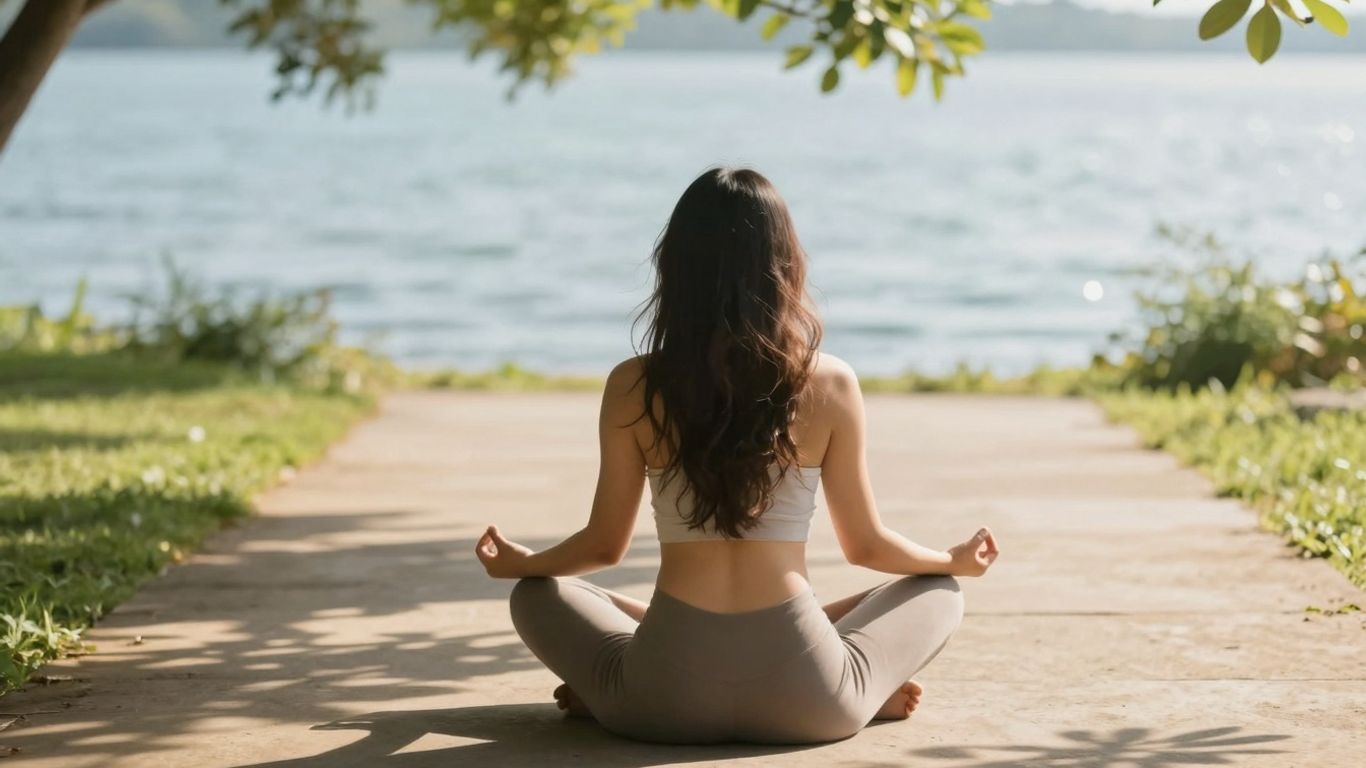
Right then, let’s get down to brass tacks. You’ve heard all the theory, seen the trends, and now it’s time to actually do something. Making changes stick isn’t always easy, is it? It’s like trying to keep a toddler entertained – requires a bit of planning and a whole lot of patience. But honestly, it’s totally doable. We’re talking about building a life that feels good, day in and day out.
Setting Clear Goals and Intentions
First things first, what do you actually want? Don’t just say ‘be healthier’. That’s like saying ‘go on holiday’ without picking a destination. Get specific. Are you aiming to feel less tired by lunchtime? Want to actually enjoy that walk around the block? Pinpointing what you want to achieve is half the battle won. Think about what’s realistic for you, right now. Maybe it’s adding one extra glass of water a day, or swapping your usual afternoon biscuit for a piece of fruit. Small, achievable steps are the secret sauce here. It’s all about building momentum.
Here’s a quick way to think about it:
- Specific: What exactly do you want to do? (e.g., ‘Drink 2 litres of water daily’)
- Measurable: How will you know you’ve done it? (e.g., ‘Use a marked water bottle’)
- Achievable: Is this actually possible for you? (e.g., ‘Start with 1 litre and build up’)
- Relevant: Does this align with your overall wellness aims? (e.g., ‘Yes, hydration is key for energy’)
- Time-bound: When will you achieve this by? (e.g., ‘Within the next two weeks’)
Setting intentions isn’t just about ticking boxes; it’s about consciously choosing the direction you want your life to take. It’s a quiet commitment to yourself, a promise to show up for your own well-being.
Incorporating Daily Holistic Rituals
This is where the magic happens, day by day. Rituals aren’t just for special occasions; they’re the backbone of a balanced life. Think of them as little anchors that keep you grounded. It could be as simple as taking five minutes to stretch when you wake up, or brewing a calming cup of herbal tea before bed. The key is consistency. Try linking a new habit to something you already do – like doing a few squats while the kettle boils. It sounds minor, but these little habits build up over time. You might be surprised how much difference a consistent morning routine can make to your whole day. For more on building these habits, check out science-backed methods.
Overcoming Common Myths and Misconceptions
Let’s bust some myths, shall we? You might hear that natural wellness is expensive, time-consuming, or only for certain types of people. That’s just not true. It’s about making smart choices that fit your life and your budget. You don’t need fancy supplements or hours of yoga every day. Often, the simplest things – like getting enough sleep, spending time outdoors, or connecting with loved ones – are the most powerful. Don’t let outdated ideas hold you back from feeling your best. It’s your journey, and you get to define what ‘naturally well’ looks like for you.
Community and Global Movements in Holistic Health
It’s pretty clear that looking after yourself isn’t just a solo mission anymore. We’re seeing more and more people realise that connection and community play a massive role in how well we feel, both in our heads and our bodies. It’s not just about what you eat or how much you exercise; it’s about who you’re sharing your life with and the support systems you have in place.
Community-Driven Wellness Initiatives
Across Australia and the world, there are heaps of local groups popping up that are making holistic health more accessible. Think community gardens where people not only grow their own fresh food but also build friendships. Or local yoga studios that offer more than just a class – they become hubs for like-minded individuals. Even schools are getting on board, introducing mindfulness programs to help kids manage stress and build emotional smarts from a young age. These grassroots efforts are brilliant because they tackle the bigger picture stuff that affects our well-being, like having access to healthy food and feeling like you belong.
Decolonizing Wellness and Embracing Diversity
This is a really important conversation happening right now. For too long, the wellness industry has been dominated by a narrow view, often reflecting Western ideals. ‘Decolonizing wellness’ means challenging that and making space for a wider range of traditions, perspectives, and healing practices from different cultures. It’s about recognising that what works for one person or community might not work for another, and that there’s immense value in the wisdom of Indigenous and diverse communities. Embracing this diversity makes holistic health richer and more relevant for everyone.
The Role of Preventative Wellness
We’re also seeing a big shift towards preventing problems before they even start. Instead of just treating illnesses when they show up, the focus is moving towards building resilience and maintaining good health day-to-day. This means things like regular check-ins with your body, managing stress proactively, and making lifestyle choices that support long-term vitality. It’s a more proactive, less reactive approach to health, and it’s proving to be far more effective and sustainable in the long run.
The move towards community and diverse approaches in wellness isn’t just a passing fad. It’s a fundamental shift towards recognising that our health is deeply intertwined with our social connections, cultural backgrounds, and the proactive steps we take to stay well. It’s about building a healthier future, together.
Your Journey Starts Now
So, there you have it. We’ve covered a fair bit, from getting your gut in order to finding a bit of peace with meditation. It’s a lot to take in, I know. But remember, this isn’t about doing everything perfectly overnight. It’s about making small, sensible changes that stick. Think of it like tending a garden – you water it a little each day, and eventually, you get something beautiful. Don’t get bogged down trying to be a wellness guru straight away. Just pick one thing that feels right for you and give it a go. Whether it’s adding more greens to your plate or just taking five minutes to breathe deeply, every little bit counts. Here’s to a healthier, happier you in 2025. You’ve got this.
Frequently Asked Questions
What exactly is ‘holistic health’?
Holistic health is all about looking after your whole self – your body, your mind, and your spirit. It’s like tending to a garden; you need to water the plants, give them sunshine, and make sure the soil is good for them to really flourish. It means we don’t just focus on one bit, like a sore knee, but think about how everything connects to make you feel your best.
Why is natural healing important in 2025?
In 2025, we’re seeing a big shift towards working *with* our bodies, not against them. Natural healing focuses on helping your body do what it’s naturally good at – healing itself! Think of it like giving your body the best tools and fuel so it can fix itself up when it needs to, rather than just covering up the problem.
How can I start a more natural wellness routine?
Starting is easier than you think! Begin with small, simple steps. Maybe try adding one extra serve of veggies to your dinner, going for a 10-minute walk each day, or taking a few deep breaths when you feel stressed. It’s about making little changes that add up over time.
Are there any new trends in natural wellness for 2025?
Definitely! We’re seeing more personalised approaches, where wellness plans are made just for you based on things like your genes or how your gut is doing. Plus, cool tech like health apps and wearables are making it easier to keep track of your progress and get support, even from home.
What if I have a health problem? Can natural wellness help?
Natural wellness can be a fantastic way to support your overall health, even if you have existing conditions. It often works best alongside traditional medical care. It’s about building up your body’s strength and resilience, which can help you feel better and manage your health more effectively. Always chat to your doctor about what’s right for you, though!
How do I make sure my wellness journey is sustainable?
Sustainability means making choices you can stick with long-term. This involves finding things you genuinely enjoy, like a type of exercise or healthy food you love. It also means being kind to yourself, not aiming for perfection, and adjusting your plan as life changes. Building a supportive network of friends or family can also make a big difference!