
Key Takeaways
NiMH batteries are a practical rechargeable option for many everyday devices, provided the cells, charger and charging habits match.
- Check the battery size, voltage and capacity before buying.
- Low-self-discharge cells suit devices used only occasionally.
- Use a charger designed for NiMH cells and follow its instructions.
- Avoid mixing old and new batteries in the same device.
- Recycle worn-out batteries through an appropriate Australian collection service.
What NiMH batteries are and how they work
NiMH batteries are rechargeable cells that use nickel-based chemistry and a hydrogen-absorbing alloy. They are common in household sizes such as AA and AAA, and can replace many disposable batteries in compatible devices. Their nominal voltage is lower than that of a fresh alkaline cell, but many devices are designed to work with the gradual voltage curve of rechargeable cells.
The chemistry behind nickel–metal hydride cells
A NiMH cell has a positive electrode based on nickel oxyhydroxide and a negative electrode that stores hydrogen in a metal alloy. During discharge, the stored chemical energy becomes electrical energy; charging reverses that process. Unlike older nickel-cadmium cells, NiMH chemistry does not use cadmium in the negative electrode.
The chemistry is explained in more technical detail in this NiMH battery overview, which also covers voltage, energy density and typical applications. For everyday users, the useful point is simpler: a NiMH cell is designed to be charged repeatedly, but it still needs suitable charging control and sensible handling.
Common sizes, voltages and capacities
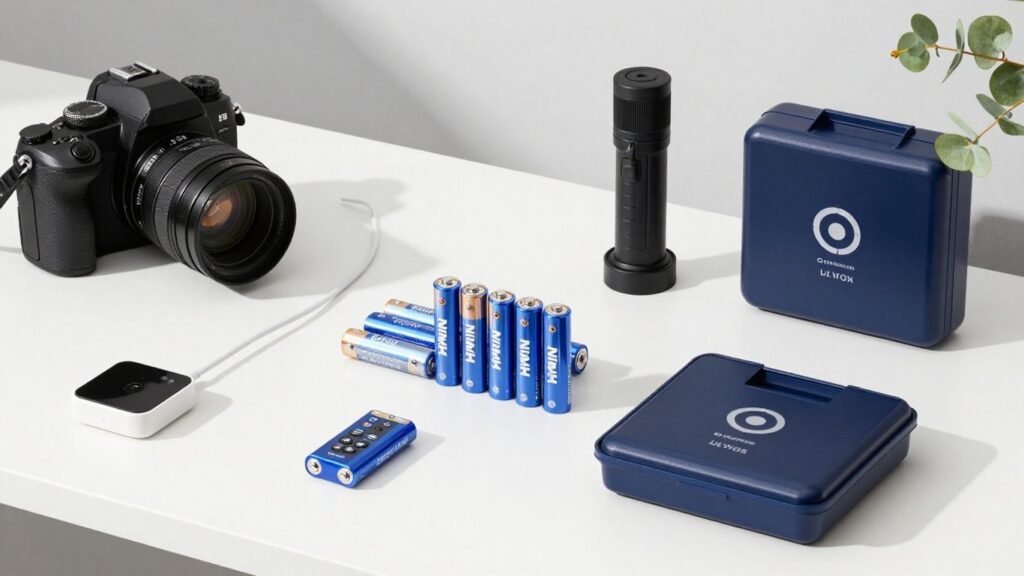
AA and AAA are the sizes most often found in remotes, toys, cameras and torches. C and D cells are used where a device needs more physical capacity, while multi-cell packs can be built for equipment with higher voltage requirements. A single NiMH cell is generally rated at 1.2 volts nominally.
Capacity is shown in milliamp-hours, or mAh. A higher number can mean longer runtime, but only when the device can draw the power efficiently and the charger is appropriate for that cell. The NiMH battery selection available across common sizes illustrates why matching the physical format and electrical rating matters.
How NiMH batteries compare with alkaline cells
Alkaline cells usually begin at about 1.5 volts, whereas NiMH cells are commonly rated at 1.2 volts. That difference does not automatically make a rechargeable cell unsuitable: many household devices are designed to operate across a range of voltage as the battery discharges.
Rechargeables can be a sensible choice for devices used frequently, because the same cells can be charged many times instead of being discarded after one cycle. They also avoid the regular purchasing and waste associated with disposable cells. Always check the device manual, especially for equipment with strict voltage requirements.
Typical devices that use NiMH batteries
NiMH batteries are often used in digital cameras, wireless accessories, remote controls, toys, torches and some emergency equipment. High-drain devices can benefit from cells that maintain useful output under load, while low-drain devices may benefit more from long shelf life.
The best choice depends on the device’s battery compartment and operating pattern, rather than on capacity alone. A remote used for months at a time has different needs from a camera flash that draws a strong current in short bursts.
Choosing the right NiMH batteries
Choosing NiMH batteries starts with the device, not the shop shelf. Confirm the size, the number of cells and any instructions about rechargeable batteries before comparing capacity figures. It is also worth considering how often the device is used and whether all cells in a set will be used together.
Matching battery size to your device
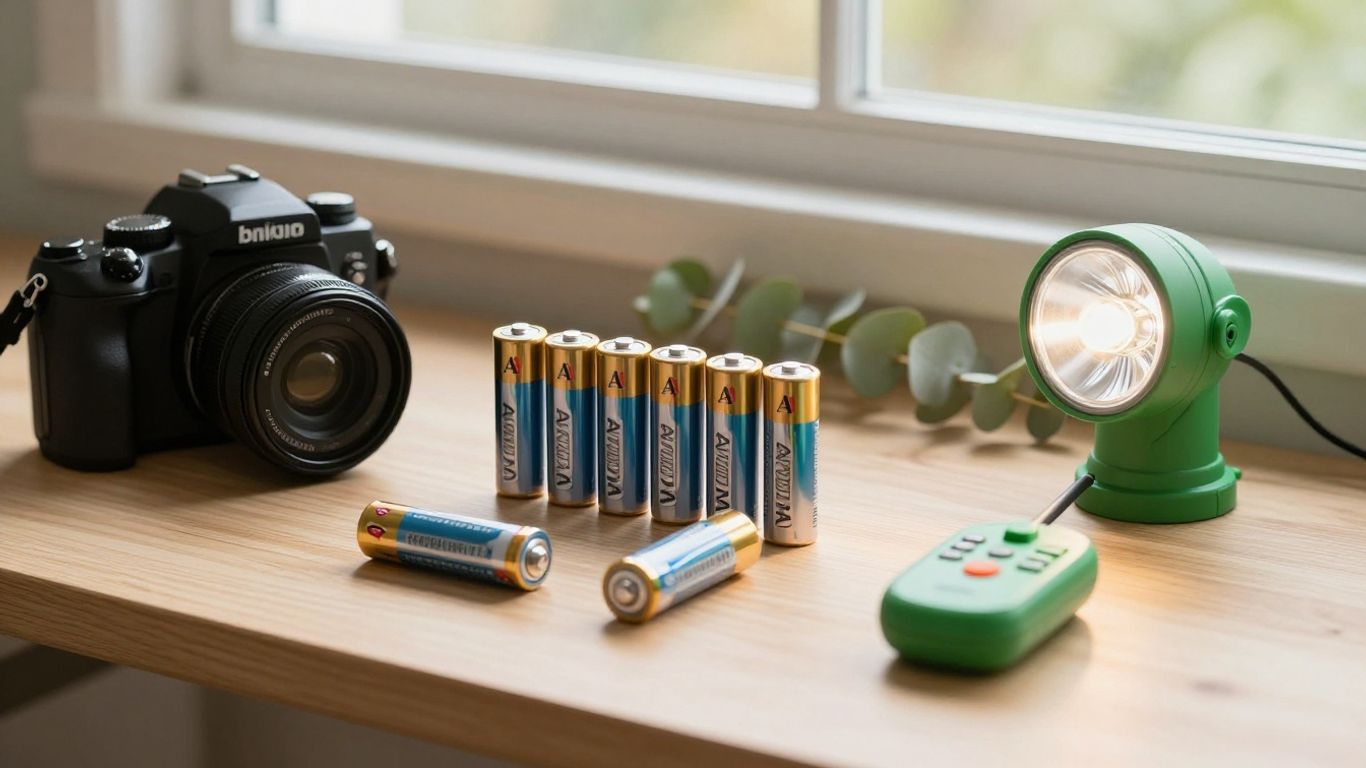
The battery must fit the compartment without force, and the terminals must make proper contact. AA and AAA cells are not interchangeable simply because they have a similar voltage. Some equipment also uses a proprietary pack with a plug, connector or built-in protection circuit.
Check the label inside the compartment or the manufacturer’s instructions. A battery that is physically forced into place can damage the contacts, while a cell that is too loose may cause intermittent operation.
Understanding milliamp-hours and runtime
Milliamp-hours provide a useful comparison of stored charge, but they are not a guaranteed runtime figure. Actual performance depends on the device’s current draw, temperature, battery age and the cut-off voltage at which the device stops working. Capacity is only one part of the decision.
For a rough comparison, a 2,000 mAh cell may run a modest load for longer than a 1,000 mAh cell, but a camera or motorised toy may draw power in short, demanding bursts. This guide to choosing rechargeable batteries is a useful reminder to compare the whole battery range rather than one prominent number.
Low-self-discharge batteries versus high-capacity cells
Low-self-discharge cells are designed to retain more of their charge while sitting unused. They are convenient for emergency torches, remotes and seasonal equipment. High-capacity cells can provide more stored energy when the device is used often, but may lose more charge during extended storage depending on their design.
Think about your routine. If batteries spend most of the year in a drawer, dependable charge retention may be more valuable than the highest printed mAh rating. If a camera is used every weekend, capacity and high-drain behaviour may deserve more weight.
When battery packs are better than individual cells
A battery pack can be the cleaner option when equipment needs several cells arranged in a fixed configuration. Packs keep the cells together and may include a connector or protective features intended for the host device. They are common in equipment where individual cells would be awkward to install or balance.
Individual cells are more flexible for household devices, but they should be kept as matched sets when used together. If a pack is damaged, swollen, leaking or unusually hot, stop using it rather than trying to rebuild it casually.
Selecting a compatible charger
A charger should be matched to NiMH chemistry, the number of cells and the charging method described by the battery maker. Cheap or unsuitable chargers can overcharge cells, charge them unevenly or create excessive heat. Look for clear instructions rather than relying only on a claimed fast-charge time.
Smart chargers and their key features
A smart charger monitors charging behaviour and uses a control method intended to identify when the cell is full. Useful features may include individual charging bays, temperature monitoring, automatic shut-off and a display showing charging progress.
The charger should accept the physical size you use and should not require cells to be inserted in pairs unless the instructions specifically say so. The EBL charger and battery information describes a charger pairing in the context of that product range; follow the supplied instructions for any specific combination.
Charge times, current ratings and battery capacity
Charge time depends on the battery’s capacity and the current supplied by the charger. A simple estimate can be made by dividing capacity by charging current, then allowing extra time for charging losses. It is only an estimate, because the charger may reduce current as the cell approaches full charge.
A fast charger is not automatically better. Higher current can produce more heat and places greater demands on temperature and termination control. For regular household use, a moderate, well-controlled charge is often easier on the cells.
Individual-cell charging versus timer-based charging
Individual-cell charging allows the charger to assess each battery separately. That is useful when cells have slightly different starting levels or ages. Timer-based chargers instead run for a set period, so they depend on the user selecting the correct battery capacity and beginning with cells in a suitable condition.
Timer chargers can work when used carefully, but they provide less protection against an already full or damaged cell. Do not assume that a longer timer is harmless; repeated overcharging can shorten battery life and raise temperature.
Safety features worth looking for
Useful safety features include reverse-polarity protection, short-circuit protection, temperature monitoring and automatic termination. Ventilation around the charger also matters, especially in warm Australian homes or garages.
Place the charger on a hard, stable surface away from flammable materials. If the charger, cell or cable becomes unusually hot, unplug it and investigate rather than continuing the cycle.
How to charge NiMH batteries safely
Safe charging is mostly a matter of using the right equipment and paying attention to changes in heat, smell and charging behaviour. Read the instructions for both the batteries and charger, because charging limits vary between products. Do not charge damaged cells simply because they still appear to hold some power.
Preparing new batteries for first use
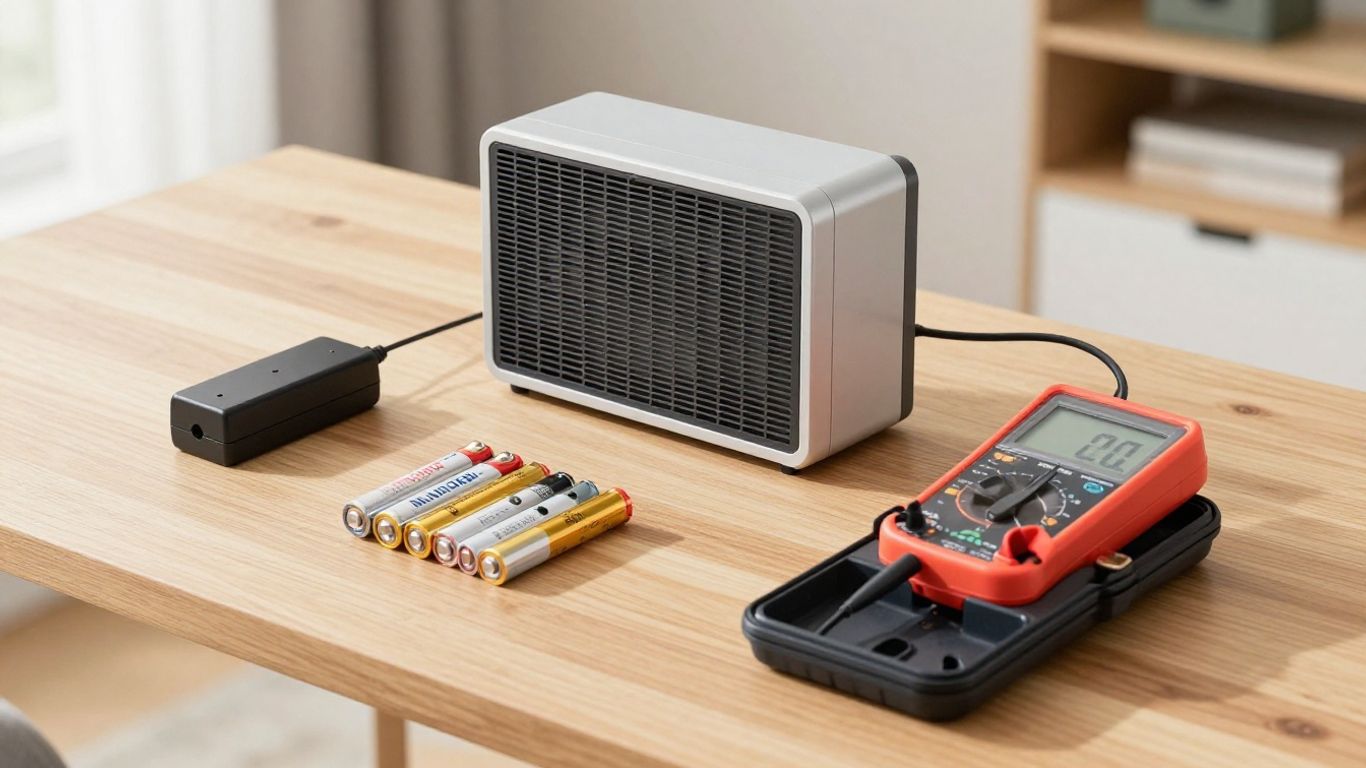
Inspect new cells for dents, damaged wrapping, corrosion or leakage before placing them in the charger. Confirm the polarity and make sure the charger contacts are clean. New batteries may not need a special conditioning routine unless the manufacturer specifically recommends one.
Use the first cycle as a chance to check that the charger recognises every cell and that none becomes noticeably hotter than the others. Marking a matched set with a small label can also help you keep the same cells together.
Avoiding overcharging and excessive heat
Some warmth during charging is normal, but excessive heat is a warning sign. Avoid leaving cells charging indefinitely in a basic timer charger, and do not cover the charger with clothing or other material. Charging in direct sun, inside a hot car or near a heater adds unnecessary stress.
If a cell becomes very hot, smells unusual or shows physical damage, disconnect the charger when safe to do so and move away from the area until it cools. Do not puncture, crush or open the cell.
Charging mixed batteries and different capacities
Avoid charging cells with substantially different capacities, ages or states of wear in the same series charging programme. The charger may stop based on the first cell to reach full charge, leaving another undercharged or exposing a weaker cell to stress.
A practical routine is to charge matching cells together and replace the whole set when one cell repeatedly falls behind. This is particularly helpful in cameras, toys and torches that rely on several cells at once.
Recognising when a charging cycle is complete
A charger may indicate completion with a light, display message or automatic change to a lower maintenance current. The exact signal depends on the charging method. Cells should be warm at most, not dangerously hot, when the cycle ends.
If one cell consistently finishes much earlier, becomes hot or loses power quickly, treat that as a sign to test or replace it. A normal-looking indicator does not prove that every ageing cell is healthy.
Getting better performance from NiMH batteries
Good performance comes from matching the battery to the job and keeping sets consistent. Temperature, storage time and the device’s power demands all affect runtime. Small habits, such as removing batteries from equipment that will sit unused, can prevent avoidable damage.
Storing batteries between uses
Store NiMH cells in a cool, dry place away from direct sunlight and loose metal objects. A plastic battery case helps prevent terminals from touching keys, coins or other conductive items. Remove cells from devices that will be stored for a long period, particularly if the device could drain them completely.
Do not store batteries in a freezer as a routine practice. Extreme cold can cause condensation and does not replace good battery management.
Reducing self-discharge over time
Every rechargeable cell gradually loses charge while sitting unused. Low-self-discharge designs reduce that loss, but they still benefit from sensible storage. Check emergency or seasonal batteries periodically and recharge them before they are needed.
Keeping a simple date on the battery case can help identify sets that have been stored for too long. If the cells are used in an emergency torch, test the torch occasionally rather than assuming the batteries are ready.
Using matched cells in high-drain devices
High-drain devices should use cells with similar capacity, age and charging history. Mixing a new high-capacity cell with an old weak one can make the weaker cell reach an empty state first, while the device continues drawing power from the set.
Keep matched cells together from purchase through charging and use. This is a small discipline, but it makes faults easier to identify and can improve consistency in demanding equipment.
Improving runtime in cameras, toys and torches
For cameras, use a matched set and carry a charged spare set in a protective case. For motorised toys, check for dirty contacts, mechanical friction or a motor that is working harder than it should. For torches, remove the batteries if the torch will be stored for weeks or months.
A device that suddenly runs for much less time may have a battery problem, but it may also have dirty terminals or an internal fault. Clean accessible contacts gently and compare the device with a known-good set before buying a larger-capacity replacement.
Troubleshooting and replacing NiMH batteries
NiMH batteries normally lose capacity gradually, although poor charging, heat and deep discharge can speed that process. Troubleshooting is safer when it begins with observation: compare cells in the same set, check the charger and look for physical damage. Do not attempt to repair a sealed rechargeable cell.
Why batteries may lose capacity quickly
Common causes include repeated overcharging, storage in high temperatures, deep discharge and mixing cells with different histories. A battery can also appear weak because the device has dirty contacts or unusually high current demand.
Test the set in the same device with a known-good charger where possible. If one cell repeatedly charges much faster, becomes warmer or runs down sooner than its companions, replacing the complete set is usually more sensible than continuing to combine it with healthy cells.
What to do when a cell becomes hot
Stop the charge if a cell becomes excessively hot, especially if the heat is concentrated in one battery rather than spread across the set. Disconnect power when it is safe, keep the cell away from flammable materials and let it cool without handling it unnecessarily.
Do not use a cell that is swollen, cracked, leaking or has damaged insulation. Put it aside for battery recycling advice, following local handling requirements. Heat is a fault signal, not evidence that the battery is charging efficiently.
Testing voltage, capacity and charging behaviour
A multimeter can show a cell’s resting voltage, but voltage alone does not measure usable capacity. A proper capacity test discharges the cell at a controlled rate and records how much charge it provides. Charger behaviour also matters: a cell that reaches a full indicator quickly but runs down soon afterwards may have lost capacity.
Record results for each cell rather than testing only the group. Replacing a visibly weak cell in a multi-cell device can sometimes help, but using a fully matched replacement set is usually more predictable.
Recycling worn-out NiMH batteries in Australia
Do not place loose rechargeable batteries in household rubbish or kerbside recycling. Collection options vary between councils, retailers and community recycling services, so check the current arrangements in your state or territory. Tape exposed terminals or use a battery case when transporting cells, and follow the collector’s instructions.
The same practical habit applies to other household decisions: verify the local details rather than relying on a generic online answer. For broader Australian consumer guidance, readers may also find this local mobile phone buying guide useful when comparing devices with different battery demands. Battery choice is one small part of a device decision, but it deserves the same careful check.
Conclusion
NiMH batteries remain a useful rechargeable choice when their size, capacity and charging method suit the device. Choose matched cells, use a compatible charger, store them sensibly and treat heat or physical damage as a reason to stop. These straightforward habits make rechargeable power safer, more reliable and less wasteful.
Frequently Asked Questions
Are NiMH batteries rechargeable?
Yes. NiMH batteries are designed to be recharged using a charger made for NiMH cells. Their usable life depends on charging conditions, temperature, storage and how heavily they are used.
Can NiMH batteries replace alkaline batteries?
They can replace alkaline batteries in many devices that accept the same physical size, but the device should be checked first. NiMH cells have a nominal voltage of about 1.2 volts rather than the roughly 1.5 volts of a fresh alkaline cell.
How long do NiMH batteries take to charge?
Charging time depends on the cell capacity, charger current and charging method. A controlled charger may slow the current near full charge, so a simple capacity-divided-by-current calculation is only an estimate.
Should NiMH batteries be fully discharged before charging?
No. Routine deep discharge is not necessary and can be unhelpful, particularly when several cells are used together. Recharge them when convenient, following the charger and battery instructions.
Why do NiMH batteries get warm while charging?
Some warmth can be normal, especially near the end of a charge. Excessive or uneven heat may indicate overcharging, a poor connection, a damaged cell or an unsuitable charger, so stop and investigate safely.
Can different NiMH capacities be used together?
It is better not to mix different capacities, ages or charge histories in the same device. Use matched cells so they discharge and recharge more evenly, especially in high-drain equipment.
How should old NiMH batteries be disposed of?
Take them to an appropriate battery collection point, retailer or council-approved recycling service. Do not put loose rechargeable batteries in general rubbish or kerbside recycling, and protect exposed terminals during transport.