

Key Takeaways
Choosing a charger is mainly a matter of matching the battery system, charging routine and installation environment.
- Confirm the battery voltage and chemistry before buying.
- Match charging current to battery capacity and manufacturer guidance.
- Check connectors, polarity, ventilation and physical fit.
- Automatic stages and protection features can make regular charging easier.
- Stop charging if the battery, cable or charger becomes unusually hot or damaged.
Understand what a Powertech battery charger does
A battery charger replenishes stored electrical energy in a battery through a controlled charging process. The right model depends on the battery system, how often it is used and whether the charger will be portable or permanently installed. A powertech battery charger should be treated as part of a complete electrical setup, not as a universal accessory. Start with the battery specifications rather than the appearance of the charger.
Charger types and common applications
Chargers range from compact units for occasional vehicle use to fixed equipment intended for larger battery banks. A portable charger can suit a car, caravan or boat that is serviced in different locations, while a permanently installed unit may be more practical for backup or communications equipment. Some models are designed for one voltage and chemistry; others offer selectable charging profiles.
The choice becomes clearer when you consider where the battery lives. A charger used in a garage may have different practical requirements from one installed in a compartment on a boat or caravan, especially around cable length, moisture and ventilation.
How charging differs from power supply operation
A charger is designed to manage a battery’s changing electrical condition as it fills. A power supply, by contrast, is generally intended to provide a steady output to connected equipment. Using one in place of the other can lead to poor performance or stress on the battery and connected devices.
Read the instructions for the specific unit before connecting a load while charging. Even when a charger has automatic control, its output and operating mode may not suit equipment that expects a regulated power supply.
Matching the charger to your battery system
The battery label or data sheet should provide the basic information: nominal voltage, chemistry, capacity and recommended charging current. That information determines whether the charger is suitable and how long a normal charge may take. It also helps identify whether a battery management system is required for a lithium installation.
For a useful second opinion on charging equipment and accessories, readers can browse this battery charger range, while remembering that the battery maker’s specifications remain the starting point for compatibility.
When a dedicated charger is preferable
A dedicated charger is usually preferable when the battery needs a particular charging profile, remains connected for long periods or forms part of an important backup system. It can reduce guesswork and provide controls suited to that battery rather than relying on a generic setting.
A dedicated unit is not automatically the best choice, however. It still needs the correct voltage, connector, current rating and installation conditions. Compatibility comes first, even when a charger has useful automation or a polished display.
Check battery and charger compatibility
Compatibility is more than matching a number printed on the charger. Voltage, chemistry, capacity, connectors and the environment all affect whether charging is appropriate. Take a photo of the battery label or write down its specifications before comparing models.
A simple check at this stage can prevent a costly mistake later. It is also worth allowing for the way the battery is installed, because access to terminals and clearance around the charger can matter as much as its electrical rating.

Voltage requirements for 12V and 24V systems
A 12V battery system requires a charger intended for that system, while a 24V battery system requires a charger designed for 24V charging. Do not assume that a charger can serve both simply because the plug fits. Battery banks can also be wired in series or parallel, changing the voltage or capacity that the charger must support.
Check the complete bank configuration and follow the battery manufacturer’s instructions. If the voltage is unclear, pause and have the system checked rather than relying on trial and error.
Lead-acid, AGM, gel and lithium battery chemistry
Different chemistries use different charging behaviour and limits. Lead-acid, AGM and gel batteries may require separate profiles, while lithium batteries can require a compatible battery management system and a charger intended for that chemistry. Selecting the wrong profile may prevent a full charge or cause damage.
The product listing for the PowerTech HD1 10A battery charger describes compatibility with 24V lithium batteries when they have a suitable BMS. That is a specific condition for that documented model, not a general rule for every charger.
Capacity, charging current and charge times
Battery capacity is commonly expressed in amp-hours, while charger output is expressed in amps. A larger battery usually takes longer to charge at the same current, although the actual time also depends on its state, age, temperature and the charger’s charging stages.
Use the manufacturer’s recommended current where available. A charger with a higher number is not automatically better if the battery is not designed to accept that rate.
Connector, polarity and physical fit
Before connecting anything, compare the plug, terminal arrangement, polarity and cable length. A physically compatible connector can still be wired incorrectly, and a cable that is too short may place strain on the terminals. Check whether the charger needs ring terminals, clips or another fitting.
Keep the installation tidy and make sure the charger can sit securely without its vents being blocked. Online advice about ebike battery care also reinforces the broader point that safe charging and storage practices matter for rechargeable systems, even when the battery type differs.
Compare Powertech battery charger features
Once basic compatibility is confirmed, features can help distinguish one suitable charger from another. Look for controls and protections that match the way you will use the equipment, rather than selecting the longest list of specifications. A charger for occasional use may need simplicity, while a permanently installed unit may benefit from clear status information.
Read the technical data carefully. Terms such as automatic, smart or multi-stage can describe useful functions, but they should be understood alongside the stated voltage, chemistry and output limits.
Automatic charging stages and float mode
Automatic chargers may adjust the charging process as the battery moves from low charge towards full charge. Some then provide a maintenance or float mode, which can be useful when a compatible battery remains connected for an extended period. The exact stages and conditions vary between models.
Do not regard float mode as permission to leave any battery unattended indefinitely. The battery and charger instructions should explain whether maintenance charging is supported and under what conditions.
Output ratings and energy efficiency
Output current gives a broad indication of how quickly a charger can replenish a suitable battery, but it does not guarantee a particular charge time. Input requirements, conversion losses and the battery’s own condition affect the result. Efficiency can matter where the charger operates frequently or from a limited power source.
For context, the documented PowerTech model linked earlier is described as using high-frequency technology and having efficiency above 85 percent. Treat that as a specification of that particular model, not a promise that every powertech battery charger has the same performance.
Displays, indicators and user controls
Clear LEDs or a display can make it easier to see whether a battery is charging, fully charged or showing a fault. Useful controls may include chemistry selection, output selection or a start and stop function. Simple indicators are often enough for occasional use, while a fixed installation may benefit from more detailed status information.
The best interface is one you can understand quickly in poor light or a cramped compartment. If the instructions are unclear, a simpler approved setting is safer than guessing.
Protection against overheating, overloads and short circuits
Protection features can help limit the consequences of incorrect connection or abnormal operation. Common examples include reverse-polarity, short-circuit, over-voltage and thermal protection, although the exact package differs by model.
The same documented PowerTech charger listing describes protections against reverse polarity, output short circuit and overvoltage. These protections support safer operation, but they do not replace correct connection, suitable ventilation or regular inspection.
Choose the right charger for your use case
The right choice changes with the setting. A vehicle used every day may need a different routine from a caravan stored for months, while telecommunications equipment may require a charger designed for continuous or standby service. Consider access to mains power, exposure to weather and whether someone will be present during charging.
Australian conditions can add heat, dust and moisture to the decision. Choose an installation location that suits the charger’s stated operating conditions rather than assuming an indoor-rated unit can be placed outdoors.
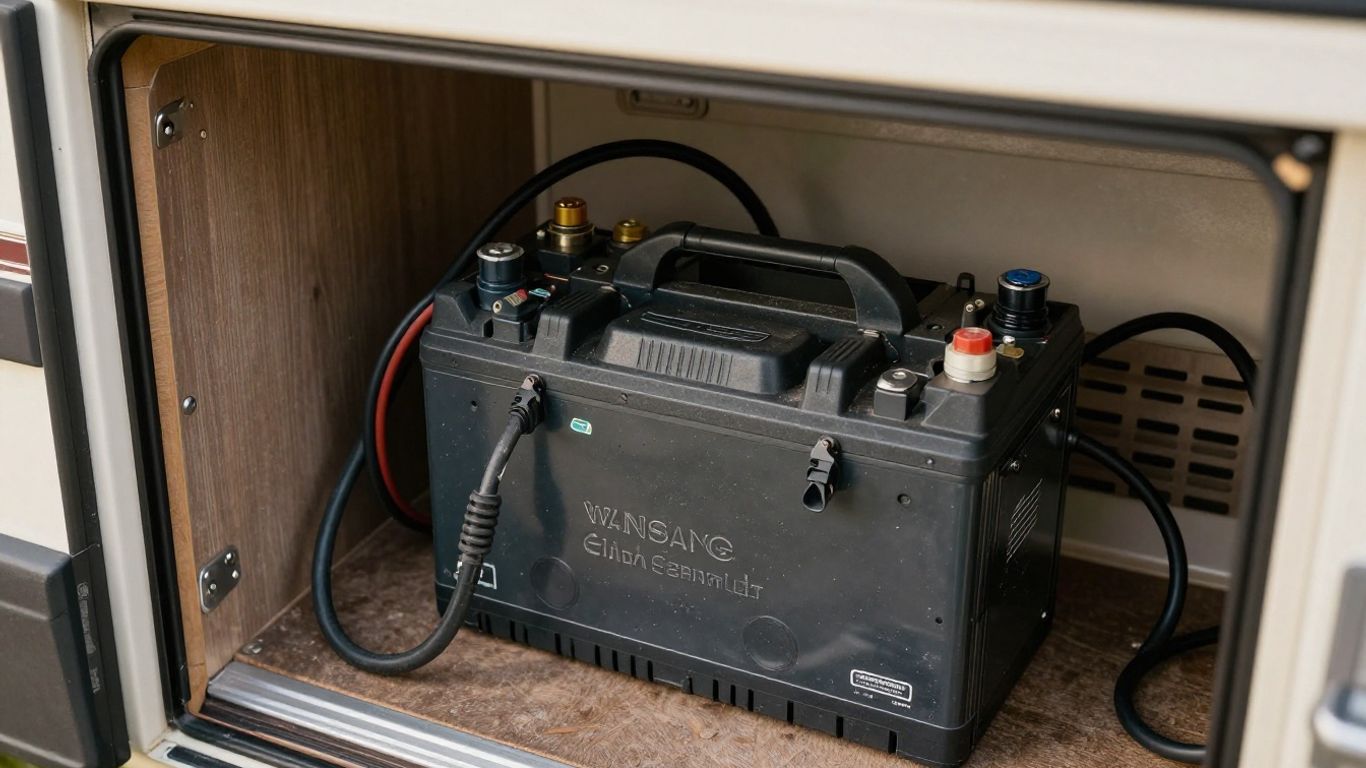
Chargers for vehicles, caravans and boats
For vehicles, caravans and boats, portability and cable reach are often practical priorities. A unit should be easy to secure, simple to connect and appropriate for the battery chemistry in the vehicle. Marine and caravan installations also need careful thought about moisture, movement and access.
Before travelling, check that the charger, leads and terminals are protected from rubbing or accidental contact. Keep a record of the battery type so another person does not connect an unsuitable charger later.
Chargers for telecommunications and backup systems
Backup and telecommunications systems may place greater emphasis on continuous availability, stable maintenance charging and clear fault indication. The charger should be selected as part of the battery bank and equipment design, with attention to load requirements and the consequences of an interruption.
Where the system is business-critical, installation and testing should be handled by a qualified person. A charger alone cannot compensate for an undersized battery bank, poor cabling or inadequate backup planning.
Portable chargers versus permanently installed units
Portable chargers are flexible and can be moved between approved applications, but they need safe storage and careful reconnection each time. Permanently installed units can keep cables organised and reduce repeated handling, though they require a suitable mounting position and access for inspection.
Use this short comparison when deciding which arrangement fits your routine:
- Choose portable equipment when charging locations change.
- Choose fixed equipment when the battery stays in one installation.
- Allow for cable length, ventilation and service access.
- Confirm the unit is protected from likely dust, water and heat.
The list is not a substitute for the manufacturer’s installation requirements. It simply helps separate convenience from the electrical and environmental conditions that determine suitability.
Selecting a charger for regular or occasional use
Regular use may justify automatic charging stages, durable connections and easy-to-read status indicators. Occasional use may favour a compact unit that can be stored safely and brought out when needed. In both cases, choose based on the battery system first and convenience second.
A charger that is rarely used still deserves a quick inspection before connection. Storage can affect cables, plugs and casing, especially in a hot shed or damp compartment.
Use a Powertech battery charger safely
Safe charging begins before the charger is switched on. Read the charger and battery instructions, inspect the work area and remove sources of heat or ignition where appropriate. Charging should take place in conditions suitable for the battery chemistry and charger rating.
The PowerTech HD1 10A battery charger listing describes a controlled charging cycle and built-in protections, but those features do not remove the need for safe setup. Treat every charging session as an electrical task, even when the equipment is automatic.
Preparing the battery and charging area
Place the battery and charger on stable surfaces and keep vents clear. Inspect the battery for swelling, leaks, cracks or damaged terminals before connecting it. Remove unnecessary metal objects from around exposed terminals and make sure the mains supply and extension equipment are appropriate.
If the battery is installed in a vehicle or enclosed compartment, follow the maker’s instructions about whether it should be charged in place. Never improvise around a damaged battery.
Connecting the charger in the correct sequence
Switch the charger off or disconnect it from mains power before attaching the leads, unless the instructions specify another sequence. Check polarity, connect the positive and negative leads as directed, and then energise the charger. When finished, switch off or disconnect mains power before removing the leads.
Avoid allowing the clamps or terminals to touch each other. If the charger indicates a fault immediately, stop and recheck the connection rather than repeatedly trying to start it.
Ventilation, moisture and temperature precautions
Charging areas should have adequate ventilation, particularly where the battery chemistry can release gas. Keep the charger away from rain, splashes, condensation and flammable materials, and stay within the operating temperature range in the manual.
A charger that feels warm during normal operation is not necessarily faulty, but heat should not build up around blocked vents. For broader safety habits, a local guide to safe charging practices offers useful context for rechargeable equipment, although its subject is e-bike use.
Situations where charging should be stopped
Stop charging if the battery becomes unusually hot, swells, leaks or gives off an unexpected smell. Stop as well if the charger, plug or cable shows damage, if a fuse repeatedly trips, or if an error remains after the basic connections have been checked.
Move away from the equipment if there is smoke or a strong chemical odour, and seek qualified assistance. Do not open a mains-powered charger or attempt an internal repair unless you are trained and authorised to do so.
Troubleshoot and maintain the charger
Many charging problems come from a flat or damaged battery, a poor connection or a setting that does not match the battery. Work methodically and avoid changing several things at once, so you can identify what resolved the issue. If the equipment is part of a critical system, use a qualified technician rather than experimenting.
Maintenance is mostly simple: keep the charger clean and dry, inspect leads and terminals, and store the unit in suitable conditions. Good records of faults and charging behaviour can also help identify a battery that is reaching the end of its service life.
What to check when the battery will not charge
First check that mains power is available and that the charger is switched on. Then confirm polarity, connector fit, battery voltage and the selected chemistry or mode. A deeply discharged, internally damaged or disconnected battery may not be recognised by an automatic charger.
Do not bypass a charger’s safety response. If the same battery repeatedly fails while another compatible battery charges normally, arrange a battery and system assessment.
Diagnosing slow charging and error indicators
Slow charging may be caused by a low starting state, cold or hot conditions, high battery capacity, ageing cells or a charger with a lower output rating than expected. Error indicators should be read against the manual rather than interpreted from colour alone, because patterns differ between models.
Write down the indicator pattern, the battery voltage and what was connected at the time. That information gives a service technician a much clearer starting point than a general report that the charger is not working.
Inspecting cables, terminals and connectors
Look for frayed insulation, bent pins, corrosion, loose crimping and heat discolouration. Clean accessible battery terminals using the method recommended for the battery, and replace damaged leads rather than taping over serious wear. Make sure cables are not trapped under covers or rubbing against sharp edges.
A connector that feels loose should not be held in place with an improvised wedge. Poor contact can create heat and intermittent faults even when the charger appears to operate normally.
Storage, cleaning and professional servicing
Disconnect the charger, allow it to cool and wipe it with a dry or lightly damp cloth suitable for the casing. Do not spray liquid into vents, immerse the unit or store it with cables tightly kinked. Keep it in a dry location away from extreme temperatures and physical impacts.
Arrange professional servicing when internal faults, repeated overheating or damaged mains components are involved. A qualified person can test the charger and battery together, which is often more useful than replacing parts by guesswork.
Conclusion
A suitable powertech battery charger is chosen by matching voltage, chemistry, capacity, connectors and operating conditions, then used with a careful connection routine and regular inspection. Taking those steps makes charging more predictable and helps protect both the battery and the equipment around it.
Frequently Asked Questions
Can one charger work with both 12V and 24V batteries?
Only if it is specifically designed and rated for both systems. Check the manual and confirm the selected mode before connecting the battery.
How do I know whether a charger suits a lithium battery?
Check that the charger explicitly supports the battery’s lithium chemistry and any required battery management system. Do not rely on voltage alone.
Is a higher-amp charger always better?
No. Charging current must suit the battery’s capacity and manufacturer recommendations. Excessive current can create heat or damage the battery.
Can I leave a battery connected to an automatic charger?
Only when the charger and battery instructions allow maintenance or float charging. The setup should still be inspected and kept in a suitable environment.
Why does a charger show an error immediately?
Common causes include reversed polarity, a poor connection, an incompatible battery, a short circuit or a battery that is too deeply discharged. Check the manual before trying again.
Should a battery be charged in an enclosed room?
Charging should occur in a suitably ventilated area, away from moisture, ignition sources and flammable materials. Follow the battery manufacturer’s specific requirements.
When should I replace a charger cable?
Replace a cable when it is frayed, crushed, corroded, heat-damaged or loose at the connector. Do not continue using a lead that shows signs of unsafe electrical contact.