
Key Takeaways
Rechargeable batteries can save money and reduce waste, but only when their chemistry, voltage and charger suit the device.
- Match the battery chemistry and voltage to the device.
- Capacity affects runtime, while charge cycles affect long-term value.
- Use a charger designed for the exact battery type.
- Store batteries cool, dry and away from heat sources.
- Take damaged or unwanted batteries to an Australian recycling point.
How rechargeable batteries work
Rechargeable batteries store electrical energy through a reversible chemical reaction. When a device is running, that stored energy becomes electrical current; charging pushes the reaction back in the other direction. Unlike single-use cells, rechargeable batteries are designed for repeated use, although their capacity gradually falls over time. Understanding that basic trade-off makes it easier to choose a battery that suits real life rather than just its packaging.
Rechargeable versus single-use batteries
Single-use batteries are made for one discharge and are then discarded. Rechargeable batteries cost more at the checkout because they can be charged and used repeatedly, often making more sense for cameras, toys, torches, controllers and other frequently used devices. They are also a practical way to reduce the number of depleted cells going into household rubbish.
There is one catch: a rechargeable battery may not have the same voltage profile as the disposable battery it replaces. Check the device manual, battery compartment and charger instructions before switching, particularly with equipment that has a strict voltage requirement.
Understanding charge cycles and battery lifespan
A charge cycle is broadly one complete use of a battery’s available capacity, not necessarily one time connecting it to a charger. Using half the battery today and half tomorrow is roughly one cycle. Heat, deep discharge, overcharging and long periods at full charge can all shorten useful life, though the effect varies between chemistries.
The battery may still work after its rated cycle life, but it will usually run the device for less time. Keep a simple eye on runtime rather than trying to predict an exact replacement date. This rechargeable battery guide offers another useful comparison of common battery choices and chargers.
Common battery sizes and applications
AA and AAA cells remain common in remotes, toys, wireless accessories, clocks and some cameras. C and D batteries are used where a device needs more physical capacity, while 9V batteries appear in alarms and selected instruments. Button cells and built-in battery packs follow different charging and recycling rules, so do not assume that a charger for one format suits another.
For built-in batteries, the device’s own charging circuit normally controls the process. For removable cells, the charger must identify the chemistry and size correctly. The right physical fit is only the starting point; electrical compatibility matters just as much.
What capacity and voltage ratings mean
Capacity is commonly shown in milliamp-hours, or mAh, and gives an indication of how much charge a battery can store. A higher mAh rating may provide longer runtime, but it can also mean a longer charging period or a larger, heavier cell. Voltage describes the electrical pressure available to the device, and the device’s requirements should take priority over a bigger capacity number.
Battery labels are useful, but they are not a complete performance guarantee. Runtime depends on the device’s power demand, temperature, age of the cell and whether the battery can maintain its voltage under load. The device specification comes first when those factors seem to conflict.
Types of rechargeable batteries
Different rechargeable batteries suit different jobs. Nickel-metal hydride remains familiar in replaceable household cells, while lithium-ion chemistries are common in portable electronics and larger systems. Lithium iron phosphate is valued in applications where stability and durability matter. No chemistry is automatically best; the sensible choice depends on voltage, current demand, weight, charging equipment and end-of-life handling.
Nickel-metal hydride batteries for everyday devices
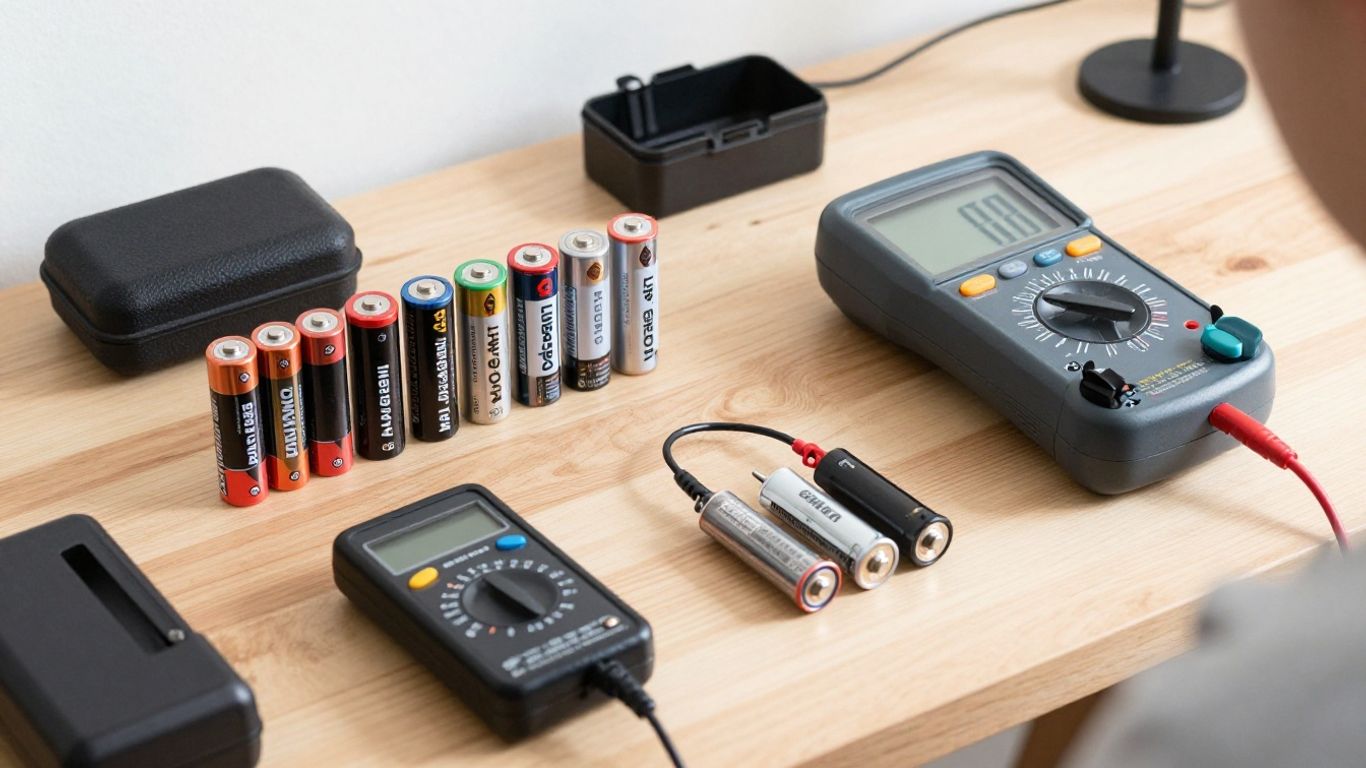
Nickel-metal hydride, or NiMH, batteries are widely used in AA and AAA formats. They are a convenient choice for devices that are used regularly, especially when a compatible charger is already available. Modern low-self-discharge versions can retain their charge reasonably well while sitting in a drawer, although all batteries slowly lose energy over time.
NiMH cells generally have a nominal voltage of about 1.2 volts, compared with the roughly 1.5 volts associated with many alkaline cells. Most suitable devices tolerate that difference, but sensitive equipment may not. Read the manufacturer’s guidance before using them in precision electronics.
Lithium-ion batteries for high-power electronics
Lithium-ion batteries offer high energy density, which allows phones, laptops, cameras, tools and other portable electronics to run without an excessively heavy battery pack. They require carefully designed protection and charging circuits. A loose lithium-ion cell should never be charged with a generic charger simply because it fits physically.
Lithium-ion batteries can be damaged by heat, crushing, puncturing or incorrect charging. Swelling, unusual odour or a sharp rise in temperature is a reason to stop using the battery and seek advice on safe handling rather than continuing to charge it.
Lithium iron phosphate batteries for demanding applications
Lithium iron phosphate, often shortened to LiFePO4, is another lithium-based chemistry used in applications that need repeated cycling and dependable energy storage. It has different voltage characteristics from conventional lithium-ion cells, so the charger and device must be designed for it. Substituting one lithium chemistry for another is not a safe shortcut.
These batteries are more commonly found in specialised equipment, backup systems and larger energy applications than in ordinary household AA or AAA devices. Their physical size, battery management system and installation requirements deserve careful attention.
Comparing performance, cost and environmental impact
A fair comparison considers the entire period of ownership, not just the purchase price. The table below gives a broad guide; actual results depend on the particular cell, device and charging routine.
| Chemistry | Common strengths | Typical considerations | Common uses |
|---|---|---|---|
| NiMH | Practical, reusable, available in AA and AAA | Lower nominal voltage and gradual self-discharge | Remotes, toys, torches and cameras |
| Lithium-ion | High energy density and strong power delivery | Needs protection circuitry and careful charging | Phones, laptops, tools and cameras |
| LiFePO4 | Suited to repeated cycling and energy storage | Different voltage profile and system requirements | Backup and demanding applications |
The environmentally preferable option is usually the one that is used for a long time, charged correctly and recycled at the end. Avoid buying a chemistry that your device cannot use simply because its headline capacity looks attractive.
How to choose rechargeable batteries
Start with the device, not the battery display. Look for the required size, chemistry, voltage and any warning against rechargeable cells. Then consider how often the device is used, how much power it consumes and whether you need batteries ready after sitting unused. Local Insight’s practical guides follow the same basic principle: understand the details first, then make a decision that fits the situation.
Matching batteries to your device
Check the manual or the markings inside the battery compartment. A battery that fits the slot may still be unsuitable if its voltage, chemistry or discharge characteristics differ from what the device expects. Devices with motors, flashes or heating elements can place a greater demand on batteries than a wall clock or remote control.
For built-in packs, use the replacement type specified by the manufacturer. For removable batteries, buy a matched set from a reputable seller and keep the packaging or model details for future reference. Do not mix chemistries in the same device.
Choosing the right capacity for runtime
Higher capacity can extend runtime, but the gain is only useful if the battery performs well under the device’s load. A lower-capacity cell may be perfectly adequate for an occasional remote, while a camera flash or game controller may justify a higher-capacity option. Runtime claims should be treated as estimates rather than promises.
Think about the way you use the device: frequent short sessions, occasional heavy use and long storage each favour slightly different choices. It can be more convenient to own two reliable sets and rotate them than to chase the highest number on one packet.
When low-self-discharge batteries are worthwhile
Low-self-discharge batteries are useful when equipment is used intermittently or stored for weeks between uses. They reduce the need to recharge immediately before a trip, event or emergency. For a device used every day, ordinary self-discharge may matter much less because the cells are regularly topped up.
They are especially handy in household kits, torches and seasonal equipment. Store them together, label the purchase date if helpful and recharge them before a long period of storage rather than leaving them completely empty.
Checking compatibility, quality and warranty information
A reputable battery should have clear labelling, a stated chemistry and capacity, and safety information that is easy to find. Be cautious of implausibly high capacity claims or loose cells with no manufacturer details. A warranty does not make an incompatible battery safe, but it can indicate that the seller stands behind the product.
Before buying, check whether the charger is included, whether the cells are sold as a matched set and whether the seller explains returns for damaged or swollen batteries. These small checks often prevent a frustrating purchase.
How to charge rechargeable batteries safely
Charging is where many avoidable problems begin. Use the charger specified for the battery chemistry, inspect cells before placing them in the charger and follow the device manufacturer’s instructions. A battery that becomes unusually hot, swells, leaks or smells strange should be disconnected when safe to do so and not charged again.
Choosing a compatible charger
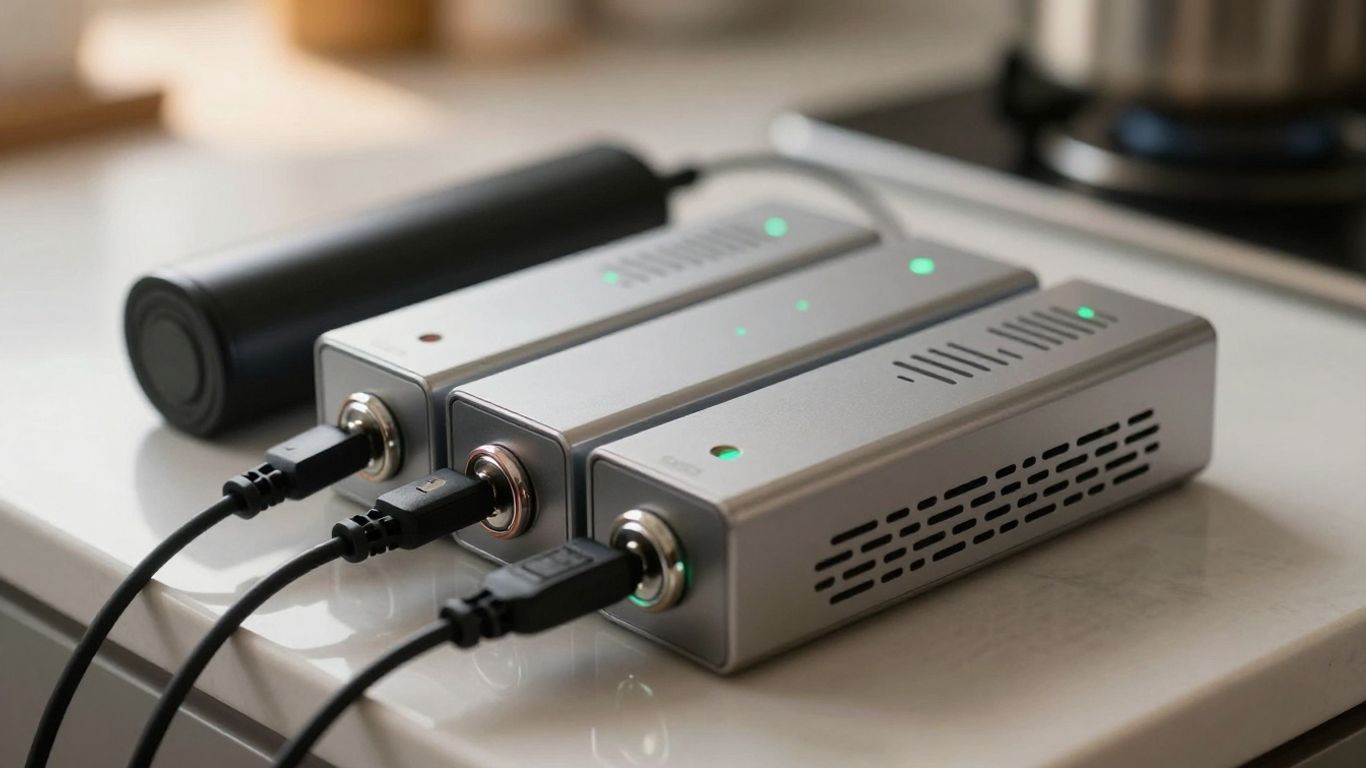
NiMH cells need a charger designed for NiMH batteries, while lithium-ion and LiFePO4 batteries require their own charging profiles and protection systems. Never rely on the connector shape alone. Chargers for removable cells should also support the exact size and number of cells being charged.
Place the charger on a hard, non-flammable surface with ventilation around it. Avoid charging under bedding, inside a bag or where children and pets can disturb it. For an e-bike or other larger battery, Australian e-bike battery care is a useful related resource when planning safe charging habits.
Understanding charging speeds and indicators
Fast charging is convenient, but it can produce more heat and may place greater stress on a battery. A slower charge is often suitable for overnight household use, provided the charger is designed to stop or manage the process correctly. Indicator lights usually show broad stages such as charging, charged or fault; they do not prove that a battery is healthy.
Allow a charger and battery to cool if either becomes noticeably warm. If an indicator repeatedly shows a fault, remove the cell, check its orientation and consult the instructions rather than repeatedly forcing another charge.
Why mixing batteries can cause problems
Do not mix old and new batteries, different brands with noticeably different capacities, or partly charged and fully charged cells in the same device. The cells may discharge unevenly, causing the weaker one to reverse polarity or leak. This is particularly risky in devices that use two or more batteries together.
Use batteries from the same set and replace the complete set when one has clearly deteriorated. Marking sets with a small removable label can help keep them together without writing on or damaging the casing.
When USB-C rechargeable batteries make sense
USB-C rechargeable batteries can be convenient for people who already carry a USB-C cable and want to charge small cells without a separate bay charger. They can suit travel, emergency kits and occasional use, but their internal electronics and output profile still need to match the device. Check the manufacturer’s voltage information before buying.
USB-C is a charging connection, not a guarantee of universal compatibility. Keep the cable and battery dry, avoid damaged ports and follow the instructions for charging multiple cells. A broader battery charging overview can help explain how rechargeable cells differ from primary batteries.
How to get better battery performance
Good battery care is mostly ordinary housekeeping. Keep cells away from high heat, moisture and metal objects that could bridge the terminals. Clean contacts, use matched sets and avoid leaving batteries in equipment that will not be used for months. These habits improve reliability and make the money spent on rechargeable batteries go further.
Storing batteries at the right temperature
A cool, dry cupboard is generally better than a car, shed roof space or sunny windowsill. Extreme heat speeds up ageing, while very cold conditions can temporarily reduce performance. Store removable batteries in a case that keeps terminals from touching keys, coins or other metal objects.
For long storage, follow the chemistry-specific guidance rather than applying one rule to every battery. Recharge a stored battery at sensible intervals if the manufacturer recommends it, and inspect it before returning it to service.
Cleaning contacts and preventing corrosion
Dirty terminals add electrical resistance and can make a healthy battery appear weak. Switch the device off, remove the cells and wipe accessible contacts with a clean, dry cloth. If there is leakage or corrosion, wear suitable protection, avoid touching your face and follow the device manufacturer’s cleaning advice.
Do not scrape aggressively or use a wet cloth inside electronics. Persistent corrosion, damaged springs or a leaking battery may call for professional repair or replacement of the device.
Avoiding overcharging, deep discharge and heat
Use automatic chargers and protection systems where they are specified, and do not leave questionable equipment charging unattended for long periods. Recharge before a battery is completely exhausted when the manufacturer advises against deep discharge. Keep charging away from radiators, hot cars and direct sun.
A useful household routine is simple:
- Inspect cells for swelling, cracks, leaks or damaged insulation.
- Separate batteries that are hot or behaving unusually.
- Use the correct charger and keep its vents clear.
- Remove rechargeable cells from equipment that will be stored for a long time.
These steps do not eliminate normal ageing, but they reduce the avoidable stress that can make batteries fail early. Local Insight’s practical approach to everyday maintenance is similar: small checks are easier than dealing with a preventable failure later.
Knowing when rechargeable batteries need replacing
Shorter runtime is the clearest everyday sign that a battery is ageing. Other warning signs include swelling, leakage, damaged wrapping, corrosion, inconsistent charging or heat that was not present before. Do not keep testing a visibly damaged battery in the device.
Replace the affected battery or complete matched set, then recycle it through an appropriate collection service. Never place a damaged lithium battery in loose household rubbish or a kerbside recycling bin.
How to recycle rechargeable batteries in Australia
Rechargeable batteries contain materials that can be recovered, but they also carry fire and contamination risks when handled incorrectly. Australian recycling arrangements vary by state, council and battery type. The safest approach is to identify the chemistry, isolate the terminals and use a collection point that specifically accepts batteries.
Identifying batteries that require special handling
Lithium-ion batteries, power-tool packs, e-bike batteries, vapes and devices with built-in lithium batteries need particular care. NiMH, lithium-ion and other rechargeable cells should not be casually mixed into household recycling. Look for swelling, punctures, leaks or crushed casings before transport.
If a battery is damaged, keep it away from heat and combustible materials and contact the relevant council or recycling service for instructions. Do not dismantle, puncture or burn it.
Preparing batteries for transport and recycling
Remove batteries from devices where the instructions allow it. Cover exposed terminals with non-conductive tape or place each cell in a separate plastic bag so terminals cannot touch one another. Keep batteries dry and stable during transport, and do not leave them in a hot vehicle.
For larger packs, ask the collection service about its requirements before travelling. Some sites accept only certain sizes or chemistries, and a damaged pack may need a specialised arrangement rather than a public drop-off box.
Finding Australian battery collection points
Start with your local council website, state waste service or a recognised battery stewardship programme. Retailers, transfer stations and community collection points may accept common household batteries, but acceptance rules differ. Confirm the location, opening hours and battery types before making the trip.
Do not put rechargeable batteries in a kerbside recycling bin unless your council explicitly says to do so. A quick check is worthwhile because a battery hidden in mixed recycling can damage equipment or create a fire risk.
Reducing waste through responsible battery use
The simplest recycling improvement is to buy fewer batteries and use each suitable one for as long as possible. Choose the right capacity, keep sets together and replace only when performance or safety requires it. Reusing a battery many times does not remove the need for recycling, but it can reduce the number of cells consumed over time.
For broader household waste decisions, even an article on responsible property decisions reflects a useful principle: check the details and understand the consequences before acting. Battery disposal deserves that same care. A Green Feng Shui approach also touches on sustainable materials and energy-efficient choices, which can be a helpful reminder to consider the environmental side of everyday purchases.
Conclusion
Rechargeable batteries are a practical choice when their chemistry, voltage and charger match the job. Buy from a reputable source, use matched cells, protect batteries from heat and damage, and recycle them through an Australian collection service when they reach the end of their useful life. A little care turns a small household purchase into a safer, less wasteful routine.
Frequently Asked Questions
How long do rechargeable batteries last?
Their useful life depends on chemistry, quality, charge cycles, temperature and how deeply they are discharged. Replace them when runtime falls noticeably or when the casing, terminals or insulation show damage.
Can rechargeable batteries replace alkaline batteries?
Often, but not always. Check the device’s voltage and instructions first, because some equipment requires a particular voltage profile or specifically warns against rechargeable cells.
Is it safe to leave rechargeable batteries charging overnight?
Use only a compatible charger in good condition and follow its instructions. Avoid overnight charging if the battery or charger becomes hot, shows a fault or has visible damage.
Can I mix rechargeable batteries in one device?
It is best not to mix old and new cells, different chemistries or batteries with different capacities. Use a matched set so the cells discharge and charge more evenly.
Should rechargeable batteries be stored fully charged?
Storage guidance varies by chemistry and manufacturer. Keep batteries cool and dry, and follow the instructions for the particular type rather than applying one rule to every rechargeable cell.
Can rechargeable batteries go in the household recycling bin?
Usually not. Check your local council or state waste guidance and take batteries to a collection point that accepts the relevant chemistry and size.
What should I do with a swollen battery?
Stop using and charging it, keep it away from heat and combustible materials, and contact your local council or a specialised battery collection service for safe handling instructions. Do not puncture or place it in household rubbish.