Key Takeaways
Home batteries can improve solar self-consumption, provide backup and reduce reliance on grid electricity, but the right size depends on how a household actually uses power. Australian installation rules, network requirements and the quality of the quote matter just as much as the battery’s headline capacity.
- Battery storage shifts surplus solar generation into the evening and other higher-use periods.
- Modular systems can make it easier to match storage capacity to changing household needs.
- Backup performance depends on the circuits included, the inverter and the installation design.
- A larger battery is not automatically better value if it regularly sits partly unused.
- Compare total installed cost, usable capacity, warranty terms and local approval requirements.
What sig batteries are and how they work
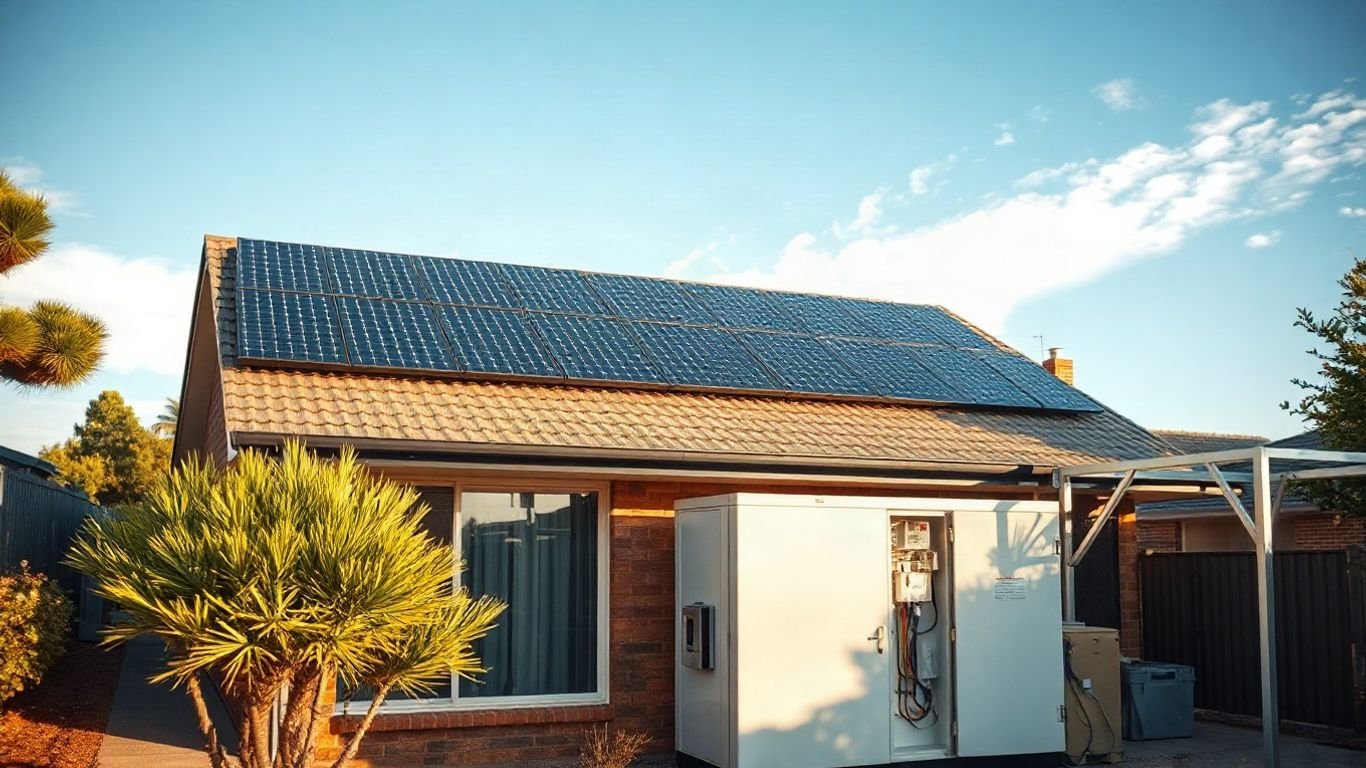
The phrase sig batteries generally refers to home energy storage built around Sigenergy’s SigenStor range. In practical terms, a battery sits alongside solar panels, an inverter, household loads and the electricity grid. It stores available energy when generation is higher than immediate demand, then supplies that energy later. The value comes from fitting those moving parts to the household’s routine rather than simply buying the biggest battery available.
The role of Sigenergy in a home solar system
A home storage system normally coordinates solar generation, battery charging, household consumption and grid imports or exports. The Sigenergy SigenStor battery is described in the linked review as a modular system with stackable battery, inverter and EV charger components. That makes the system relevant to households that want storage designed as part of a wider energy setup, rather than as an isolated battery added without considering the rest of the installation.
The practical question is how much solar is available during the day and how much electricity the home needs after the sun has gone down. A system can reduce daytime exports by storing excess generation, but its usefulness still depends on the home’s load profile, tariff and backup expectations.
How battery storage captures and supplies energy
Solar panels produce electricity whenever conditions allow, while household demand changes from hour to hour. When production exceeds demand, the system can direct the surplus into the battery. Later, stored energy may supply lights, appliances and other connected loads, with the grid covering any shortfall.
This is why usage timing matters most when estimating potential savings. A home occupied during the day may use much of its solar directly, while a household that returns in the afternoon may have greater scope to shift solar energy into the evening. Export rates and electricity prices then determine the financial value of each stored kilowatt-hour.
The difference between modular and integrated battery systems
A modular battery is built from separate capacity units that can be combined within the system design. An integrated system brings several functions together around a common platform, which can simplify the physical arrangement and energy controls. Neither approach is automatically right for every property; available wall or floor space, future expansion and installer support all deserve attention.
The useful comparison is not just battery capacity. Ask whether the inverter, controls, backup equipment and charging hardware are included, how the system can be expanded, and what work is excluded from the quoted price. Those details often explain why two apparently similar proposals differ.
How storage works during a blackout
A battery does not necessarily keep every circuit operating when the grid fails. Backup requires suitable switching and electrical design, and installers may configure either selected essential circuits or a broader set of household loads. Large appliances can also place a substantial demand on the system when they start.
Before signing, ask for a written list of backed-up circuits and any limits on simultaneous loads. A fridge, lights, internet equipment and selected power points may be prioritised, while high-demand appliances are managed separately. The result should match the way the household would actually use the home during an outage.
Sigenergy battery models and system components
A home storage proposal is made up of more than a battery module. Capacity units, an energy controller or hybrid inverter, energy management equipment, backup hardware and optional EV charging can all affect the final system. Understanding those pieces makes it easier to compare quotes without getting distracted by a single capacity figure. It also helps identify which components are essential and which are optional for a particular home.
SigenStor battery capacity and modular design
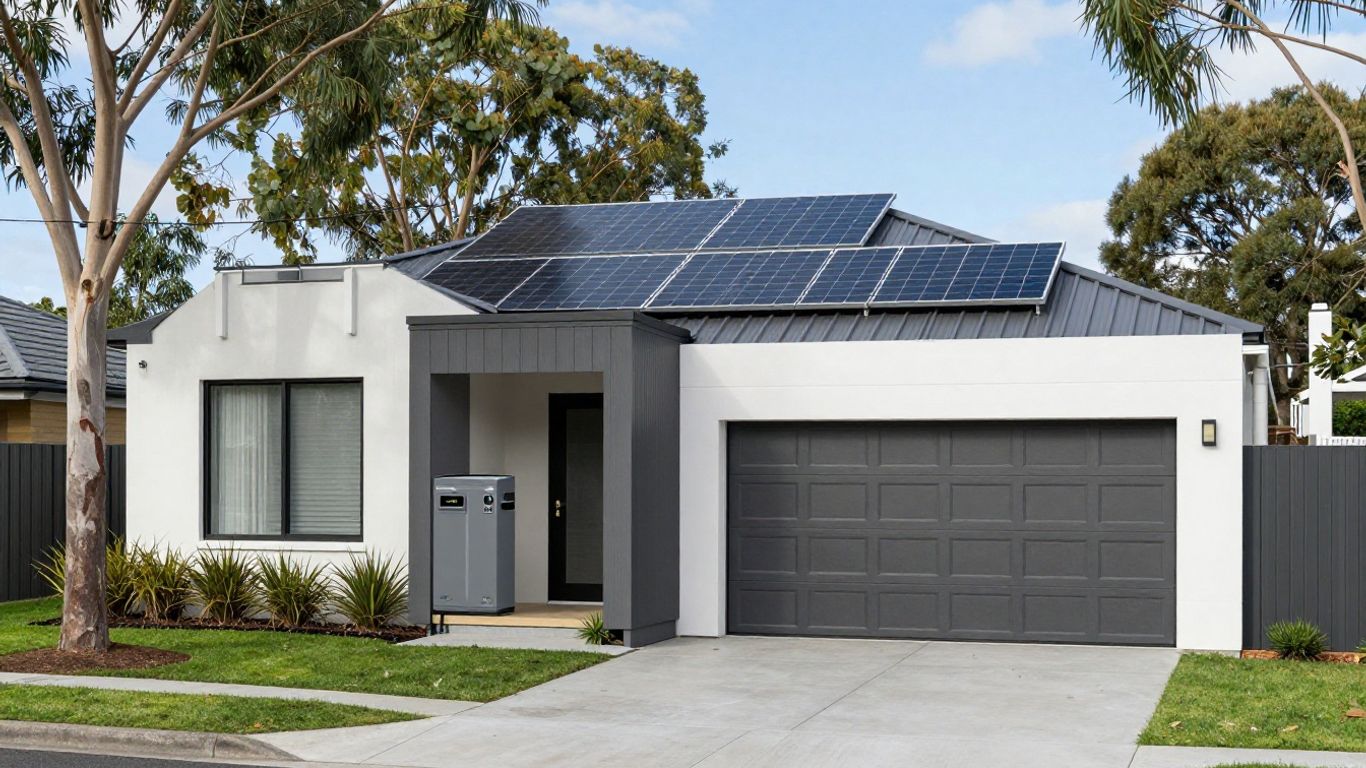
The SigenStor range is described in the linked review as using stackable 6 kWh and 9 kWh lithium iron phosphate battery modules, with configurations reaching up to 54 kWh in that source. A modular arrangement allows capacity to be selected in steps instead of committing to one fixed-size enclosure. The final usable amount still needs to be confirmed in the Australian quote and product documentation.
Module count should be considered alongside the inverter’s power rating. Capacity describes how long storage may supply energy, while power describes how much can be delivered at once. A household with modest overnight consumption may need less capacity than a home with high evening loads, even if both have similar solar arrays.
Hybrid inverters and energy management hardware
A hybrid inverter manages the conversion between solar, battery and household electricity. Energy management hardware coordinates those flows and may also determine how the system interacts with backup circuits and the grid. The exact equipment supplied should be listed clearly, including model numbers and the electrical work required to connect it.
Look for clarity around rated output, phases, monitoring, backup switching and future expansion. A battery with substantial storage can still feel limited if the inverter cannot deliver enough power for the loads a household wants to run together.
EV charging and bidirectional charging capabilities
Some SigenStor configurations include an integrated EV charging component, while other layouts may use separate equipment. The SigenStor system is described by its source as integrating a solar inverter, LFP battery, EV charging and energy management, with bidirectional EV charging identified as V2H/V2G ready. These are documented system capabilities, but the applicable hardware, vehicle compatibility and Australian approval pathway must be confirmed for the proposed installation.
EV charging can change the household’s energy pattern substantially. A vehicle may absorb surplus solar during the day, while bidirectional operation raises additional questions about vehicle support, protection settings and export rules. Treat it as a separate design decision, not a guaranteed feature of every battery quote.
Choosing an all-in-one system versus separate components
An all-in-one design can reduce the number of separate product decisions and present a more unified installation. Separate components may offer greater choice, but they also place more responsibility on the installer to confirm compatibility, communications and support arrangements. The best option is the one that is straightforward to maintain and properly documented.
A quote should identify what is included, what is optional and what happens if a component fails. It should also explain whether future additions require the original installer, a particular software platform or further network approval.
How to choose the right sig batteries for your home
Choosing sig batteries starts with the household, not the catalogue. Review electricity bills, solar production and the times when major appliances operate. Consider how much backup is genuinely wanted and whether an EV, heat pump or home office may alter demand. A careful estimate is usually more useful than a broad promise of energy independence.
Estimating daily electricity consumption
Start with at least twelve months of electricity bills if they are available, then examine seasonal differences. Daily averages can hide important peaks, such as winter heating or summer cooling. A smart meter or inverter portal may provide a more detailed view of when electricity is being used.
Separate regular loads from occasional ones. A pool pump, electric hot-water system, induction cooking or air conditioning can influence battery sizing, but they may not all need to run from stored energy at the same time. The installer should explain which assumptions are being used.
Matching battery size to solar generation
The battery needs enough surplus solar to charge regularly, particularly in the seasons when generation is lower. A large battery paired with a small or heavily shaded solar array may not fill often enough to deliver the expected benefit. Conversely, a home with considerable daytime surplus may have a stronger case for more storage.
The relationship is easiest to understand through a simple daily energy audit. Estimate solar production, direct daytime use, likely evening demand and the amount that would otherwise be exported. That gives a more grounded starting point than comparing capacity numbers alone.
Planning for evening use, backup and future demand
Evening consumption is often the first target for storage because solar production has fallen while cooking, heating, entertainment and other activities continue. Backup adds another layer: essential loads may need to remain available for several hours, or the household may want broader coverage. Future demand from an EV or additional electric appliances should be considered, but not assumed without a realistic plan.
Write down the priorities before requesting quotes:
- Which circuits must operate during a blackout?
- Which appliances are likely to run at the same time?
- Is EV charging part of the immediate installation or a later option?
- How much spare capacity would be useful in five years?
This short exercise gives installers a consistent brief and makes their recommendations easier to compare. It also prevents a vague desire for backup from turning into an unnecessarily expensive system.
When a larger battery may not deliver better value
Extra capacity only creates value when it is charged and discharged often enough, or when it provides a backup reserve the household genuinely needs. If most surplus solar is already used directly or exported at a reasonable rate, the next module may have a long payback period. Space, installation complexity and warranty conditions can add to that decision.
Ask for an estimate based on the proposed system rather than a generic annual saving. The assumptions should include electricity prices, feed-in tariffs, battery losses, expected cycling and any ongoing charges. A smaller system with a clearer use case may be the more sensible purchase.
Installation requirements in Australia
Battery installation in Australia involves electrical work, equipment placement, documentation and local network processes. Requirements can vary with the property, state or territory, distribution network and system configuration. The installer should explain those conditions before work begins, rather than presenting approvals as an afterthought. Good planning also reduces the risk of unexpected switchboard or cabling costs.
Selecting an accredited battery installer
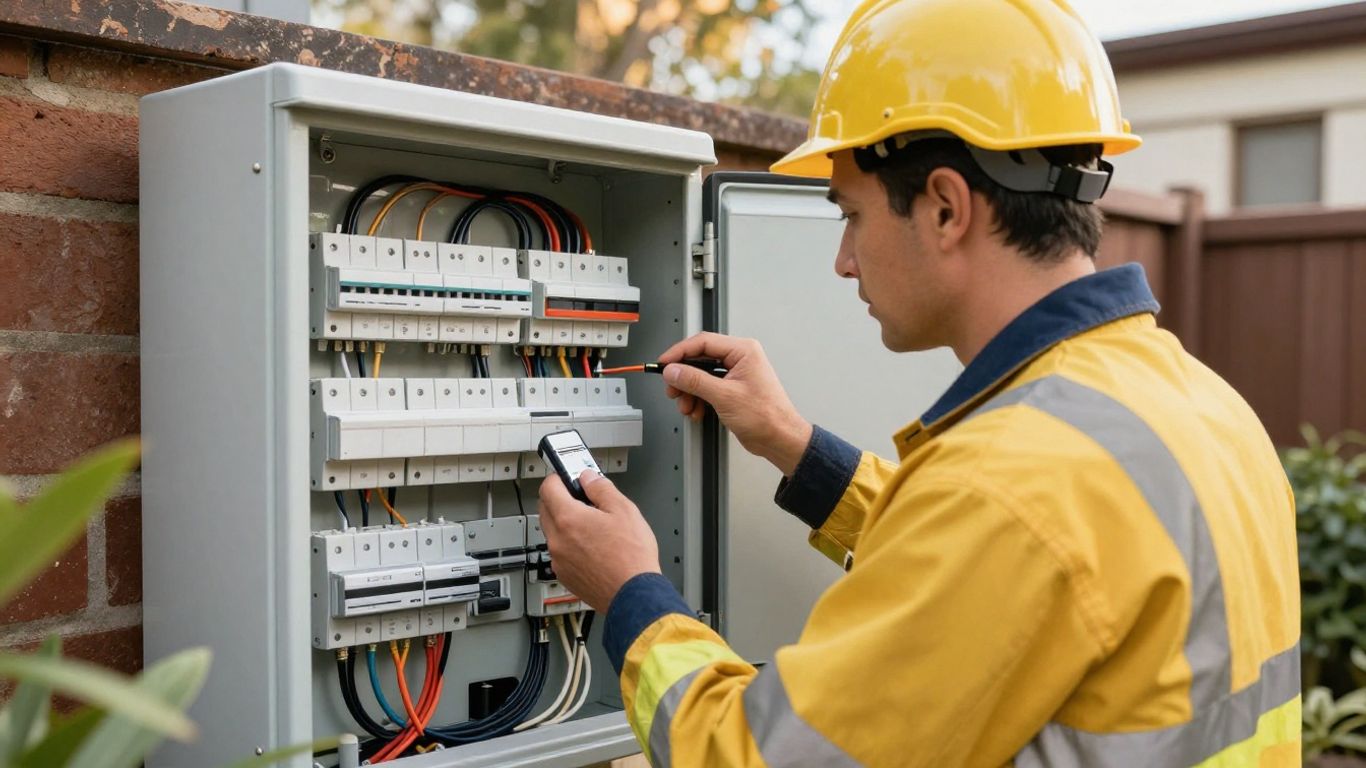
Use an installer with the relevant Australian electrical qualifications and battery experience, and check the licence details that apply in your state or territory. Ask who will perform the work, who will submit applications and who will provide the compliance documentation. A low quote is less attractive if communication stops once the equipment is delivered.
Request recent examples of comparable installations and a written scope. For broader home improvement planning, readers may also find this home renovation guide useful when considering how electrical upgrades fit into a larger property project, although battery work itself still requires suitably qualified electrical professionals.
Switchboard, wiring and site requirements
The existing switchboard may need upgrades, and the cable route between solar equipment, battery, inverter and household loads needs to be assessed. The installation area must also suit the equipment’s clearances, environmental conditions and access requirements. Outdoor or garage locations should not be chosen solely because they are convenient.
A site visit should identify shading, ventilation, water exposure, wall structure, cable runs and the position of isolation equipment. The quote should distinguish standard installation from remedial work, trenching, switchboard changes or other site-specific items.
Australian safety standards and approval considerations
Battery systems must be installed in accordance with applicable Australian electrical and battery safety requirements. The installer should explain the standards and certificates relevant to the proposed equipment and provide the required documentation on completion. Product instructions and local authority requirements are part of the same safety picture.
Do not rely on a sales description to answer technical questions. Ask for the installation design, protection arrangements, emergency isolation method and commissioning process. The linked Australian gadgets coverage is a useful reminder that local technology choices still need to be considered in their real household setting, not just by headline specifications.
Grid connection, export limits and local network rules
Connecting a battery or changing the way a solar system exports electricity may require approval from the local distribution network. Export limits and technical settings can differ between networks, and some systems may need operating restrictions. These are practical constraints, not merely paperwork.
Confirm who is responsible for the application and when the system can be switched on. The handover should include approval records, operating instructions, monitoring access and a clear explanation of what happens if network settings change.
Costs, savings and payback
The price of sig batteries depends on the equipment, capacity, electrical work and property. A meaningful financial assessment compares the installed system with the value of the energy it is expected to shift, not with a battery’s retail price alone. Household consumption patterns can matter more than small differences in advertised efficiency. Payback should therefore be treated as an estimate, not a promise.
What affects the installed price of sig batteries
Capacity, inverter output, backup hardware, switchboard work, mounting, cable distances and labour all affect the installed price. A straightforward installation may cost less than a property requiring extensive electrical changes or difficult access. Optional EV charging equipment can also change the total.
Compare quotes on a like-for-like basis. The following table is a useful way to separate the main cost drivers before discussing the final dollar figure.
| Cost area | What to check | Why it matters |
|---|---|---|
| Battery and inverter | Capacity, output and included modules | Determines storage and delivery capability |
| Electrical work | Switchboard, cabling and protection | Site conditions can change the price materially |
| Backup equipment | Essential or whole-home arrangement | Defines what remains powered in an outage |
| Approvals and commissioning | Network application and documentation | Confirms the system can be connected and operated |
A transparent quote should show these items separately or explain how they are bundled. That makes it easier to identify a cheap quote that excludes necessary work.
Comparing self-consumption savings with feed-in tariffs
Using solar energy in the home can be worth more than exporting it when the retail electricity rate is higher than the feed-in tariff. A battery can help shift that energy, but it also has conversion losses and may not cycle every day. The comparison should use the household’s actual tariff and usage rather than a national average.
Some homes may still benefit from exporting surplus solar, especially when daytime demand is high or the battery is already full. Storage is a tool for changing timing; it does not make every exported kilowatt-hour more valuable.
How electricity prices and usage patterns affect payback
Payback changes when electricity rates, feed-in tariffs or household demand change. A home that consumes more energy after sunset may obtain greater value from storage than one that is usually empty during the day. Seasonal weather can also alter solar production and heating or cooling demand.
Ask the installer to show conservative and optimistic scenarios. A useful estimate states the assumed tariff, annual consumption, solar generation, battery degradation approach and expected operating strategy. This is more informative than one attractive number presented without context.
Rebates, loans and virtual power plant opportunities
Australian rebates, loans and virtual power plant programs can change the economics, but eligibility and conditions vary by jurisdiction and provider. Check current government and network information before relying on an incentive in a payback calculation. Program rules may also affect export behaviour or dispatch of the battery.
For broader financial planning, readers comparing household priorities can review Australian investment opportunities, while homeowners should keep energy incentives separate from investment returns. A battery decision is primarily about the property’s energy use, resilience and long-term costs.
Backup power, safety and everyday performance
Backup is often the reason a household starts researching batteries, but everyday performance deserves equal attention. The system should be easy to monitor, safe for its installation environment and supported for the length of its expected service. Clear handover information matters because owners need to understand what the system is doing. It also helps identify underperformance early.
Understanding backup circuits and outage protection
Backup design determines which household circuits remain live when the grid is unavailable. Essential-load backup may cover refrigeration, lighting, communications and selected outlets, while whole-home arrangements need careful assessment of demand and starting loads. The inverter and switching equipment must be sized for the intended use.
Ask whether backup is automatic, which circuits are excluded and how the system behaves when the battery is low. A written circuit schedule is more useful than a general claim that the home is “covered”.
Battery safety features and thermal management
Battery safety depends on compliant equipment, correct installation, protection devices, suitable clearances and ongoing monitoring. The installer should explain the battery chemistry, environmental rating, ventilation approach and emergency procedures for the proposed location. These details are particularly important in garages, utility areas and exposed outdoor positions.
Never store unrelated combustible materials against the equipment or obstruct access. Follow the manufacturer’s instructions and contact the installer if there is unusual heat, damage, odour or a fault indication.
Monitoring performance through the energy management app
A monitoring app can help owners view solar generation, household consumption, battery charge and grid interaction. The SigenStor Battery Backup Kit source describes an energy management system and smart backup as part of the kit’s listed components. Owners should still confirm which app, features and user permissions apply to the specific Australian installation.
Monitoring is most useful when it supports ordinary decisions: whether the battery is charging, whether a high-use appliance is running at the right time and whether performance changes over several weeks. A single unusual day does not necessarily indicate a fault.
Maintenance, servicing and warranty considerations
Ask who provides technical support, how faults are reported and whether servicing is performed locally. Warranty terms should be read for the battery modules, inverter, workmanship and any communications hardware separately. Check the duration, capacity conditions, exclusions and process for making a claim.
Keep the installation certificate, manuals, approval records and serial numbers together. A clear service trail can make future troubleshooting easier, especially if the property changes hands or the original installer is no longer available.
Comparing Sigenergy with other home batteries
A fair comparison starts with the job the system must do. Capacity, power output, backup design, monitoring, warranty and installer support should be assessed together. Marketing language can make different systems sound similar even when their included equipment is not. This section is best used as a checklist for evaluating proposals, rather than as a ranking.
Comparing usable capacity and system efficiency
Compare usable capacity rather than only nominal capacity, and ask how the figure is affected by reserve settings or operating limits. Efficiency matters because some energy is lost while electricity is converted and stored. The comparison should use consistent assumptions across every quote.
Also check the battery’s power rating. Two systems with similar capacity may deliver very different results if one has a lower continuous or peak output. That distinction matters when several appliances operate together.
Assessing backup functionality and expandability
Backup should be compared by circuits, transfer behaviour, maximum load and duration under a defined usage scenario. Expandability is equally specific: ask how many modules can be added, whether additions must match the original units and whether the inverter has enough capacity to use them.
The installer should explain what happens to the warranty and approvals if the system is expanded later. A modular design is valuable only when future changes remain technically and financially practical.
Evaluating smart energy and EV integration
Smart energy features may include monitoring, scheduled charging and coordination between solar, storage and other loads. EV integration adds another layer, particularly where bidirectional charging is proposed. Confirm the exact hardware, supported operating modes, vehicle requirements and network conditions rather than assuming a brochure feature applies to every configuration.
The Australian contactless payments guide offers a broader local example of how technology can change everyday energy and transport habits. For a battery quote, however, the important question remains whether the proposed integration is available, approved and useful at the property.
Questions to ask before accepting an installer’s quote
A good quote should make technical and financial assumptions visible. Ask for the proposed equipment list, usable capacity, inverter output, backup circuits, installation scope, approvals, warranty terms and expected performance. The answers should be understandable without requiring the homeowner to interpret specialist shorthand.
It is also reasonable to ask what is not included and who remains responsible if the network rejects or limits the connection. Taking time to compare those details can prevent an apparently attractive offer from becoming a more expensive project later.
Conclusion
Sig batteries can be a practical addition to an Australian solar home when the capacity, backup design and installation are matched to real household use. Review bills and solar data, compare complete quotes, confirm local network requirements and treat projected savings as estimates. The strongest decision is not necessarily the largest system, but the one that delivers useful storage, clear support and sensible value over time.
Frequently Asked Questions
What are sig batteries used for?
Home batteries store surplus electricity, often from rooftop solar, so it can be used later. They may also support selected household circuits during a grid outage when the installation is designed for backup.
How large should a home battery be?
The appropriate size depends on evening consumption, solar generation, tariff structure, desired backup and future electricity demand. Reviewing bills and interval data is more reliable than choosing a size from household occupancy alone.
Can a battery power a house during a blackout?
It can power the circuits included in the backup design, provided the system has suitable switching and enough stored energy. Whole-home backup may require more equipment and careful management of high-demand appliances.
Are home batteries safe?
Safety depends on compliant equipment, correct installation, suitable placement, protection devices and following operating instructions. Owners should keep access clear and report damage, unusual heat or fault warnings promptly.
Do batteries eliminate electricity bills?
Usually not. Homes may still import electricity when solar and stored energy are insufficient, and fixed charges remain. Savings depend on usage timing, tariffs, solar output, battery losses and export rates.
Is a larger battery always better?
No. A larger battery may cost more without being fully charged or regularly used. It is generally better to size storage around likely surplus solar, household demand and the level of backup the home genuinely needs.
What should an Australian battery quote include?
It should identify the equipment, usable capacity, inverter output, installation work, backup circuits, approvals, warranty terms, monitoring arrangements and exclusions. It should also state who is responsible for network applications and commissioning.