Key Takeaways
Navigating the energy landscape in New South Wales requires a clear understanding of both hardware costs and available support mechanisms. These five points highlight the core elements of solar battery investment:
- Battery chemistry and capacity are the primary drivers of upfront system costs for residential properties.
- NSW homeowners can significantly reduce installation expenses by utilizing various federal and state-level financial incentives.
- Integration with smart software allows for optimized energy usage, which is crucial for maximizing long-term financial returns.
- Battery scalability ensures that systems can meet changing household energy needs without requiring a full replacement.
- Regular energy management, such as joining a virtual power plant, can accelerate the system payback period significantly.
Understanding the cost components of solar batteries
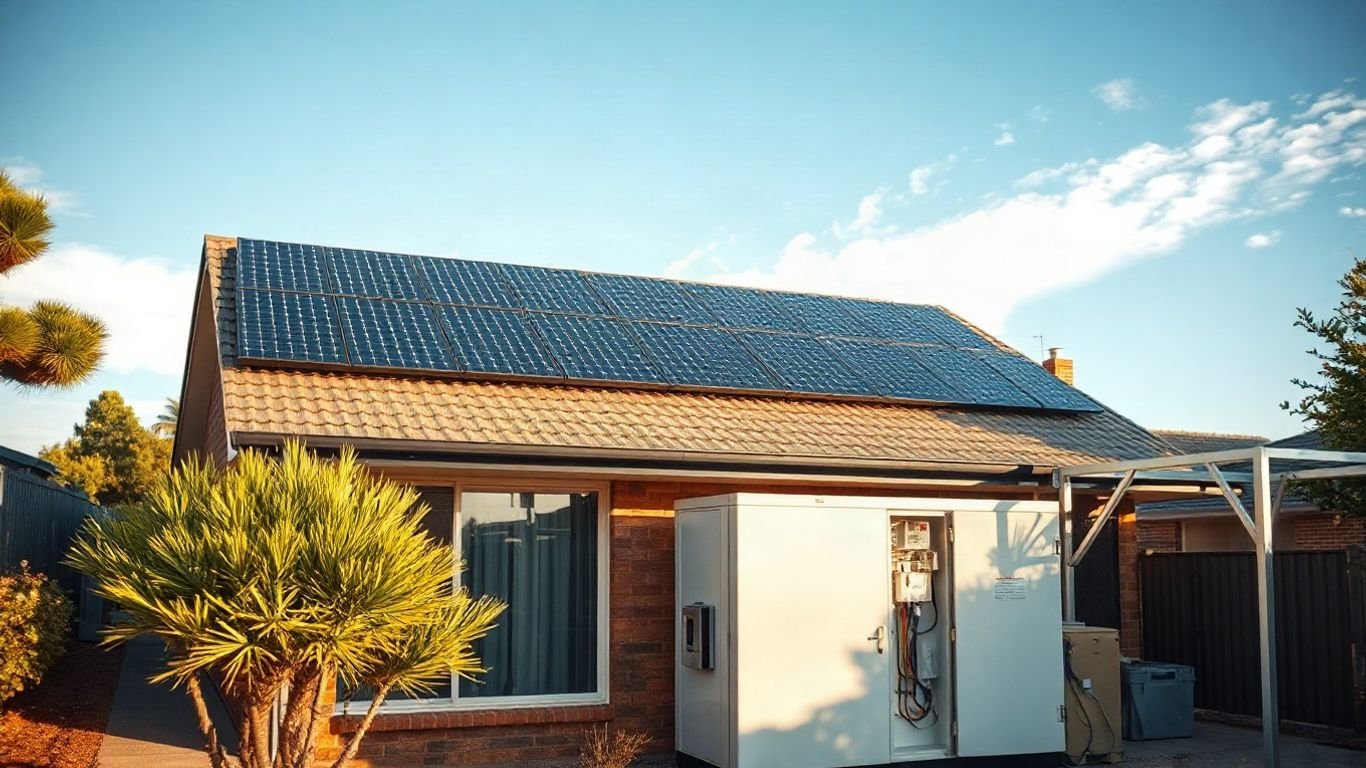
Investing in home energy storage involves more than just purchasing a physical unit; it requires an assessment of high-quality components and technical labor. Many homeowners find that the entry price reflects the sophistication of the hardware and the specialized skills required for a safe, code-compliant integration within an existing electrical circuit.
Hardware and battery chemistry variations
The chemical composition of the storage unit plays a pivotal role in the final price point. Lead-acid options are largely outdated for high-performance residential settings, while lithium-ion based variants dominate due to their density and longevity. Consumers looking into latest solar battery prices will notice that newer compositions perform differently in terms of lifespan and thermal management, which directly impacts the sticker price.
Labor and installation complexity
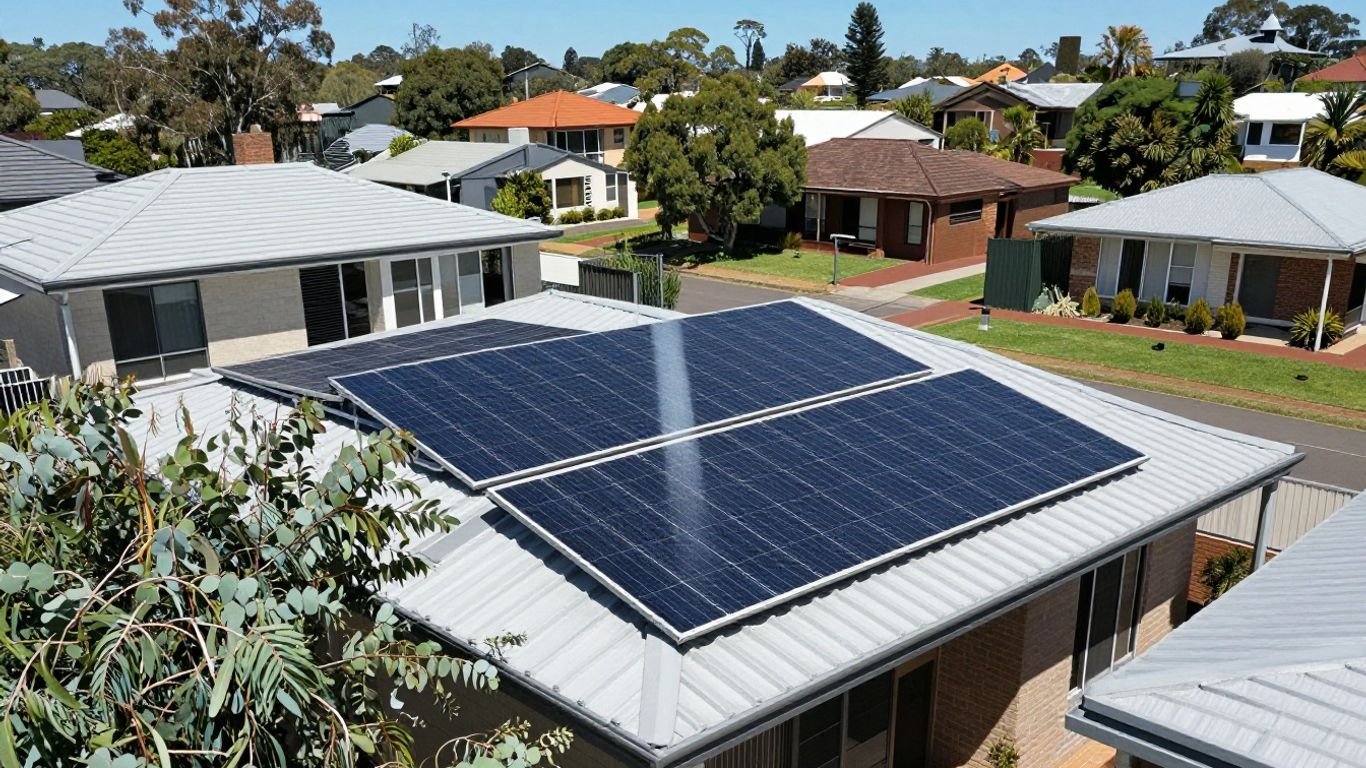
Installation costs often encompass the physical labor of mounting the unit, wiring it to the main switchboard, and ensuring structural compliance. A professional inspection, similar in rigor to a Roof Solar Panel Structural Assessment, is standard practice to confirm the mounting surface can safely hold the weight of the hardware. The difficulty of the cable runs and the existing state of the home’s electrical grid can introduce variance into the final labor quote.
Battery management system requirements
Internal management software is necessary to monitor cell temperatures and prevent over-charging, which protects the core storage cells. Integrated circuits within the management system ensure that power distribution remains balanced, preventing any singular point of failure during high-demand periods. These systems reflect essential hardware engineering standards that contribute to the expected usable life of the battery asset.
Monitoring and smart integration software
Smart software allows users to track their energy flows through accessible mobile interfaces, providing visibility into daily consumption habits. These platforms can sometimes integrate with third-party smart home setups, though compatibility varies by manufacturer. The following table illustrates typical component categories and their approximate influence on initial quotes:
| Component | Influence on Cost | Importance Level |
|---|---|---|
| Battery Cells | High | Critical |
| Inverter Integration | Moderate | Essential |
| Cabling & BOS | Low | Mandatory |
| Smart Software | Low | Recommended |
These cost variables remain consistent even as market availability shifts across Australia. Understanding these inputs helps homeowners distinguish between quality value and excessive markups.
How capacity and output affect the final price
Understanding the distinction between energy storage capacity and power throughput is vital for avoiding overspeccing your system. A common mistake involves purchasing excessive kilowatt-hour capacity when the home’s peak power demands are actually quite low, leading to a higher upfront cost that takes longer to recover.
Kilowatt-hour sizing for different household needs
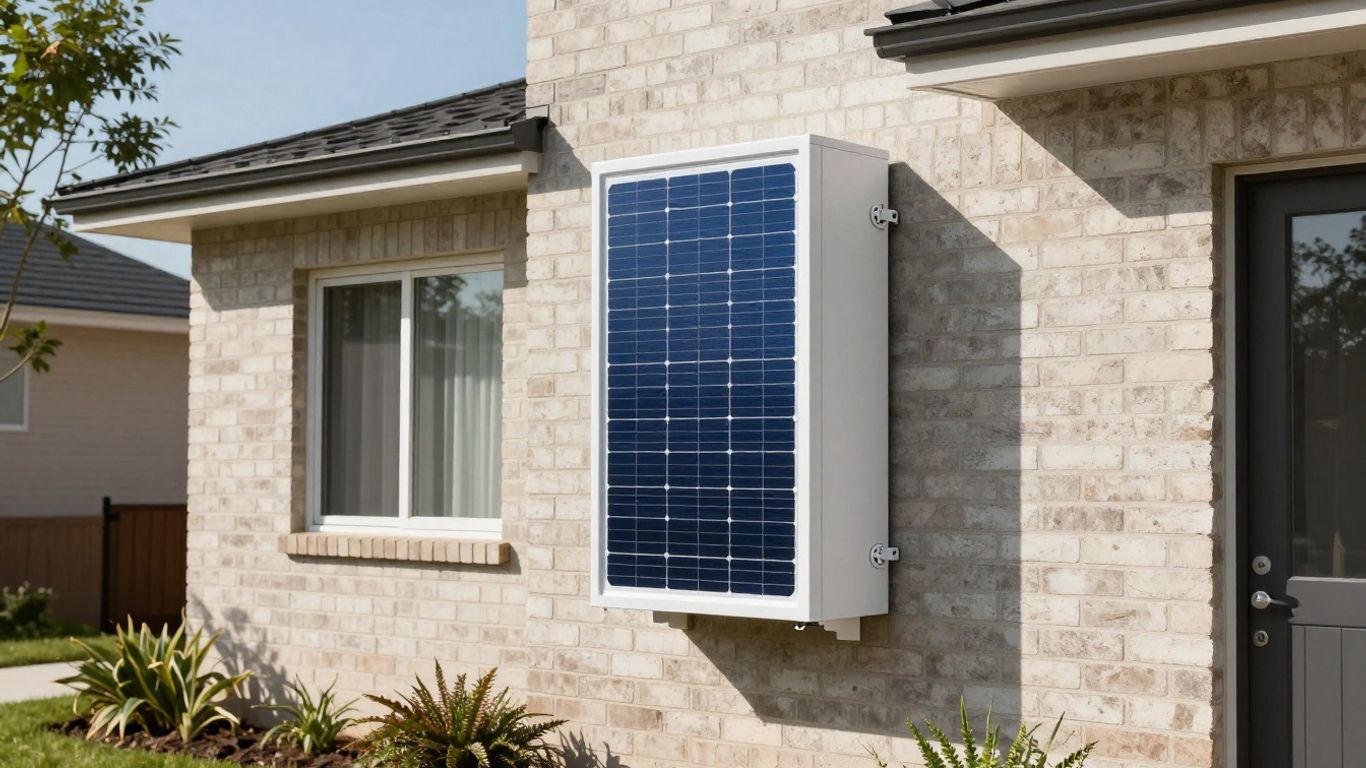
Selecting the right size requires balancing your nightly kilowatt-hour usage with the budget you have allocated. Many households benefit from a mid-sized system, while larger homes with major electric appliances might require more robust solutions. Proper sizing ensures you are not paying for capacity that stays unused for long stretches throughout the calendar year.
Peak power output versus continuous power rating
Peak power refers to the surge limit, while the continuous rating dictates what the battery can sustain under normal load conditions. Homeowners often need to review their appliance consumption to ensure the unit does not trip during evening peaks. A well-rated system maintains consistent power output even during high demand, avoiding grid dependence during critical time-of-use windows.
Depth of discharge implications for efficiency
Manufacturers often advertise a specific depth of discharge rating, indicating how far the unit can be drained before it reaches its safety limit. Efficient batteries often allow for higher discharge percentages, which effectively increases the usable energy available each night without harming the cells. It acts as a multiplier of the raw storage capacity you initially purchased.
Scalability and potential for future expansion
Many modern units now offer modular designs that allow homeowners to add more storage capacity if their situation changes. For instance, adding an electric vehicle at a later stage could necessitate higher storage capacity in the future. Flexibility in the initial setup provides a hedge against the need for total replacement when your personal power requirements shift over time.
Influence of government incentives in NSW
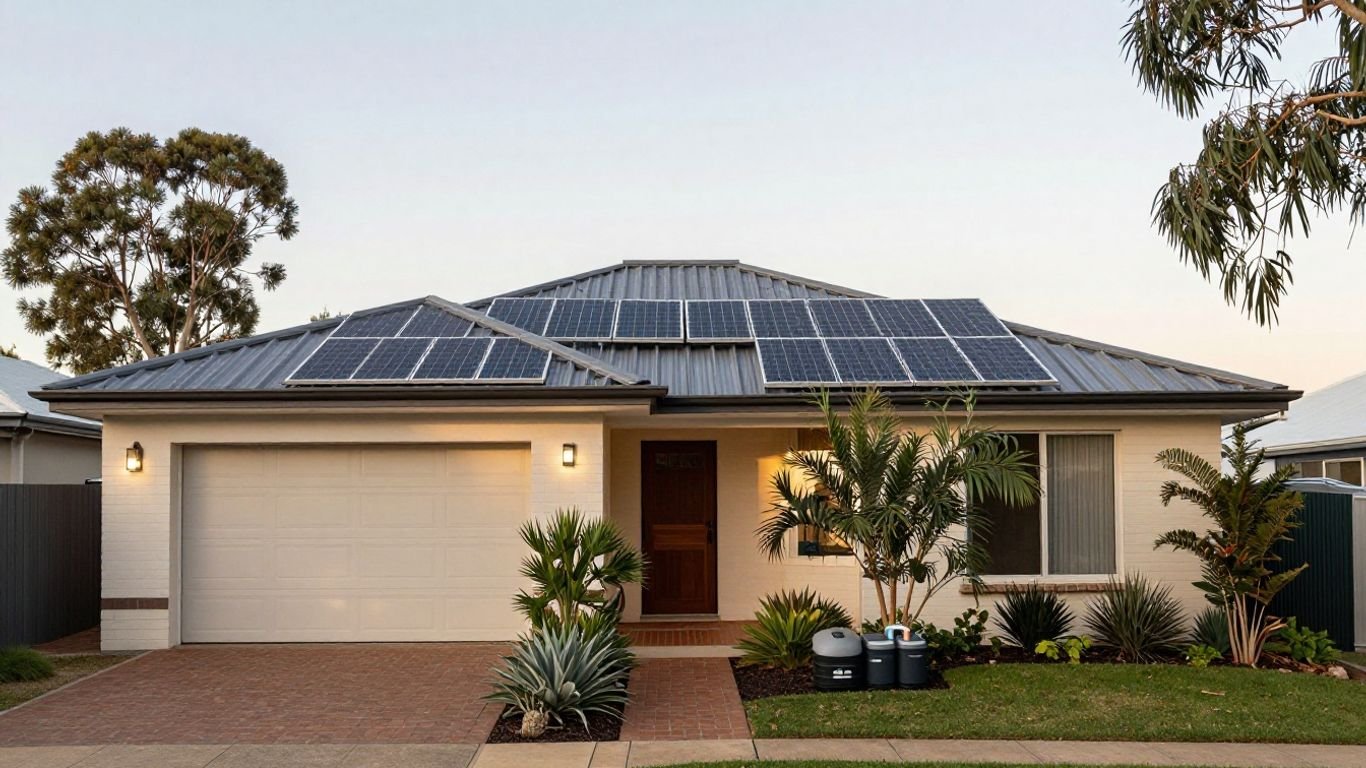
Financial support in New South Wales has shifted heavily toward helping citizens improve their energy self-sufficiency. Legislative changes and rebate programs have substantially lowered the barrier to entry, making systems that were previously seen as luxuries much more accessible to the average resident.
Federal small-scale technology certificates for storage
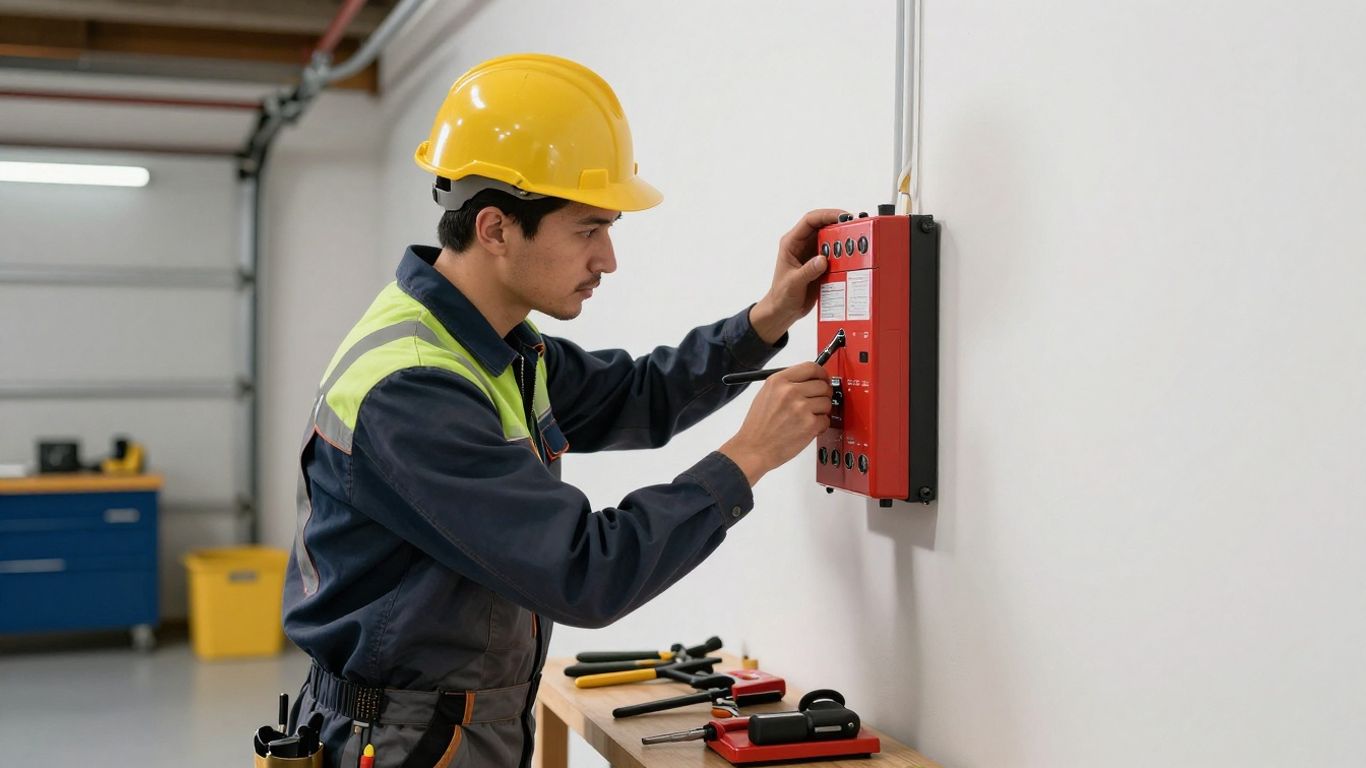
Federal incentives function as a point-of-sale discount, reducing the overall cash outlay required for the purchase of units like those from Sungrow. These certificates recognize the environmental benefit of home storage by incentivizing households to move away from grid reliance. The value of these certificates fluctuates based on market demand and policy adjustments.
State-specific rebates and virtual power plant participation
In addition to federal aid, local programs such as the Cheaper Home Batteries Program are designed specifically to target residents in the region. Many storage setups include networking capabilities that allow owners to join a virtual power plant, earning credits when they provide grid stability during peak conditions. Participating in these programs acts as a form of secondary income which contributes to the net recovery of the capital investment.
Impact of feed-in tariffs on cost recovery
Feed-in tariffs govern the credit received for exporting excess energy back into the state network during high-production hours. Understanding how these tariffs interact with your battery usage is crucial for cost recovery calculations. If you exclusively export energy, you reduce the effectiveness of self-consumption, which is often the most economical way to save monthly on utility bills.
Eligibility criteria for residential solar battery schemes
Most government schemes require that the installation be completed by a certified technician and meet specific safety protocols for grid stability. Criteria often dictate that the hardware must be compliant with the latest standards to prevent network interference during surges. Checking your current status against these requirements is the first step in ensuring eligibility for any active promotional rebates.
Comparing battery brands and technologies
The market for energy storage is rapidly maturing, with brands like SigenStor and other established manufacturers driving innovation. When comparing options, focus on the underlying cell type and the manufacturer’s long-term reputation for supporting their products through warranty claims.
Lithium-iron-phosphate versus nickel-manganese-cobalt technology
Lithium-iron-phosphate is currently the industry standard for home safety due to its inherent thermal stability. While alternatives like nickel-manganese-cobalt exist and offer higher energy densities, they are more susceptible to heat-sensitive degradation. Most residential consumers prefer the robust nature of iron-based chemistries for their backyard installations.
Tier-one manufacturers versus budget alternatives
Choosing a brand with a strong local presence ensures that you have access to parts and technical support if a unit degrades prematurely. Budget options may show a lower price on paper, but the lack of an Australian warranty backing can be a major financial risk. Opting for established tier-one names often provides peace of mind that a cheaper generic unit fails to match.
Integrated versus modular solar storage designs
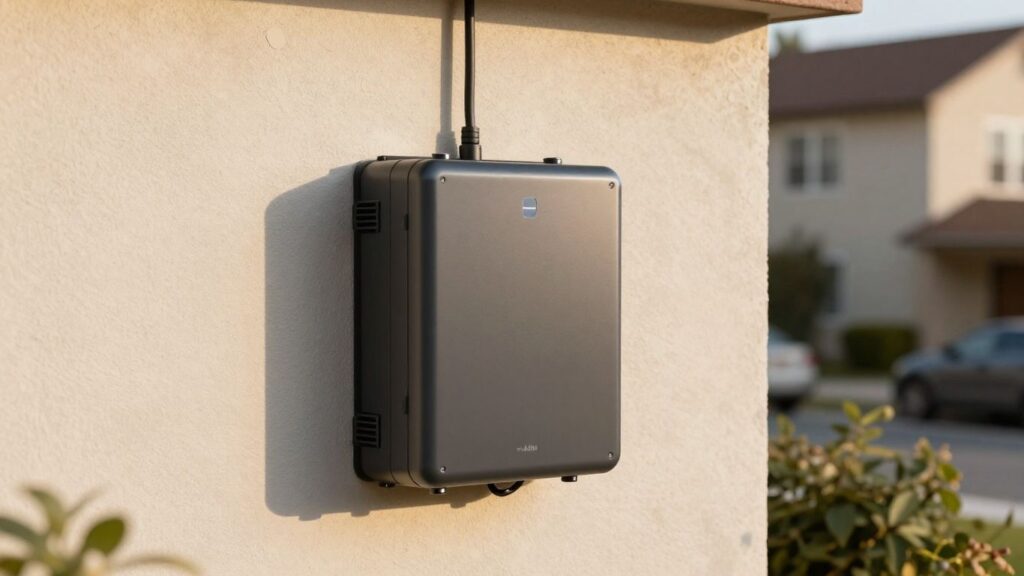
Integrated setups offer a clean aesthetic where the inverter and battery sit in a unified enclosure. Modular designs, by contrast, offer granular control, allowing individuals to replace or upgrade components individually. The choice depends on available space and the desired level of system customization desired by the property owner.
Durability and performance in Australian climate conditions
Australia represents a unique challenge due to high summer temperatures and fluctuating humidity levels. Systems should be housed in areas with moderate ventilation to limit thermal stress on the controller. Testing reports often demonstrate that high-quality units maintain their capacity retention longer when they are not subjected to constant, direct heat exposure.
Calculating the true return on investment
Calculating whether an investment pays off requires a look at your specific electricity consumption profile and current tariff structure. Experts suggest that the payback period can be modeled similarly to other large capital assets, where the goal is to beat the cost of simply buying power from the utility provider.
Payback period calculation for NSW homeowners
Calculating the time to break even involves dividing the net cost after rebates by the annual savings in grid bills. For a typical family, this period usually falls between several years, though participating in a virtual power plant can shorten this window considerably. The specific performance depends on how often the battery cycles rather than just sitting idle.
Savings from self-consumption versus grid exports
Self-consumption is almost always more profitable than exporting energy because it offsets retail electricity prices. When you use your own solar energy during night sessions, you effectively bank the savings at the standard tariff rate. This approach minimizes the impact of rising evening peak rates levied by electricity retailers.
Maintenance costs over the battery lifetime
Modern solar batteries are largely maintenance-free, necessitating only occasional panel dust-offs and inverter check-ups. A Return on Investment model should account for minimal annual checks to verify system diagnostics and connection integrity. This conservative approach to maintenance prevents small connection issues from growing into larger, more expensive outages.
Long-term property value impact and ownership benefits
Adding a modern energy storage system can make a property significantly more attractive to potential buyers who prioritize sustainable lifestyle features. Beyond physical value, the reduction in cost of living for a potential inhabitant adds to the home’s appeal in a crowded real estate market. The following list highlights non-financial benefits of owning a solar-integrated home:
- Improved energy security during grid outages or infrastructure failures.
- Lower exposure to unpredictable annual electricity price hikes.
- Reduced individual carbon footprint through reliance on stored sunshine.
- Enhanced control over household energy distribution throughout the night.
As the energy market evolves, owners who possess their own storage assets effectively create a buffer against volatile utility pricing and supply chain unpredictability.
Conclusion
Deciding to install home energy storage is a significant step toward energy independence and long-term financial efficiency for homeowners throughout New South Wales. By focusing on high-quality hardware, taking advantage of current government incentive programs, and optimizing your daily usage, the investment can provide reliable performance for years to come. Carefully assessing your specific capacity needs today while keeping an eye on future scalability will ensure that your solar storage system remains a valuable asset as your house evolves.
Frequently Asked Questions
How long does a typical solar battery last in NSW?
Most modern residential units are designed to last between ten to fifteen years before their capacity falls below a functional threshold for daily household use.
Can I add a battery to an already installed solar system?
Yes, retrofitting is a common practice using a hybrid or AC-coupled inverter, allowing you to add storage capacity to an existing solar array without replacing the panels themselves.
Does a battery provide complete protection during a blackout?
While many units do provide backup power, it is important to confirm that your specific model is configured for islanding or blackout protection so that you have light and essential refrigeration during grid outages.
What influences the overall cost of a storage installation?
Key drivers include the capacity in kilowatt-hours, the specific battery technology, the complexity of your home’s electrical wiring, and any associated permitting or structural assessment fees.
Are there specific brands recommended for the Australian market?
Reliability is best found in manufacturers that maintain a dedicated local support team and have a proven track record of handling warranty claims effectively within established local regulatory frameworks.
Do I need to be part of a virtual power plant to save money?
Joining a virtual power plant is an optional way to earn credits, but the primary savings from a home battery actually stem from self-consuming solar energy instead of purchasing it from the grid during high-cost windows.
Is it better to buy a larger capacity system than I think I need?
While extra capacity provides a buffer for future needs, it is generally most efficient to size your battery based on your daily nighttime consumption patterns to avoid excessive upfront costs that do not contribute to your immediate return on investment.