
Key Takeaways
Understanding the real estate landscape requires careful analysis of multiple factors, from economic indicators to local supply constraints. This guide provides essential insights into how your next property decision can be better informed by historical data.
- Melbourne’s housing market is currently impacted by shifting interest rates and affordability constraints.
- Statistical medians offer a snapshot of market activity but often mask individual property variances.
- Infrastructure and urban development play a critical role in long-term capital growth.
- Buyers can mitigate risk by monitoring auction clearance rates and professional valuations.
- Strategic planning remains your best defense against market volatility and economic uncertainty.
Current state of the Melbourne property market
The Melbourne housing market is undergoing a period of adjustment following previous periods of rapid growth. High interest rates have tightened borrowing capacity, creating a cautious environment for both buyers and sellers as they navigate the shifting economic terrain. This transition is not uniform, as latest market trends differ significantly across various suburbs and demographics, resulting in a more complex landscape than broader headlines suggest.
Analysing recent price fluctuations
Recent data indicates that the property market is experiencing a cooling effect, largely driven by restrictive monetary policy. Sellers are adjusting their expectations as the urgency that characterized previous years has subsided into a more measured pace of sales. Market participants often look to Victorian property market trends to gauge whether these fluctuations represent a temporary correction or a sign of deeper structural changes.
Regional variances across Melbourne
Suburban performance remains highly segmented, with inner-city areas showing different retention of value compared to outer growth corridors. While some established neighborhoods maintain stability due to limited land availability, developing areas are sensitive to shifts in buyer confidence and job proximity.
- Inner-city clusters typically command higher values.
- Middle-ring suburbs offer a balance of growth and utility.
- Outer regions are most sensitive to transport accessibility.
- Coastal pockets continue to defy general market trends.
These regional differences demonstrate that there is no singular Melbourne market, but rather a collection of sub-markets responding to local triggers and demographic demands.
Comparison to other Australian capital cities
Melbourne often follows trajectories similar to Sydney, though recent quarters have shown unique divergence due to its specific composition of units and detached houses. When property values in one city shift, it is helpful to look at the latest median property prices across the nation to interpret whether local changes are symptomatic of a broader national trend. This comparative analysis helps investors understand the relative agility of different capital cities in responding to economic pressures.
Understanding how median house prices are calculated
Median house price figures are frequently misinterpreted, leading to confusion about what they actually represent for a homeowner’s personal equity. When you look at the statistics, you are seeing a calculation that isolates the middle value of all recorded sales in a specific timeframe.

The role of sales data in statistical modelling
Accuracy in reporting relies heavily on the quality and volume of sales data collected by government agencies and private firms. Analysts filter this information to ensure that outliers, such as prestige sales or distressed property liquidations, do not disproportionately skew the resulting average middle value.
Median versus mean: Why the distinction matters
Understanding the difference between mean (average) and median is crucial for any serious buyer, as a few extremely expensive or cheap homes can radically shift an average while leaving the median untouched. The median remains a more reliable workhorse for everyday market tracking, and you can visualize how this compares through the following breakdown.
| Statistic Type | Calculation Method | Sensitivity to Outliers | Best Use Case |
|---|---|---|---|
| Mean | Sum of all sales divided by count | High | General economic growth |
| Median | Middle point of all sales | Low | Typical buyer affordability |
| Mode | Most frequent price point | Minimal | High-volume entry level |
By focusing on the median, buyers gain a clearer understanding of what the typical market entry point looks like for an average family residence.
Limitations of using a single suburb median
One of the most persistent issues is the danger of relying on a single suburb median to determine the value of a specific home. Because medians do not account for individual features like renovations, land size, or orientation, they often result in a significant miscalculation of true market potential. Investors should always pair these numbers with specific neighborhood appraisals rather than treating the suburb figure as an absolute market ceiling.
Factors influencing Melbourne property values
Property value in Melbourne is heavily anchored by the interplay between geographical constraints and economic catalysts. As urban density increases, the value of land becomes more pronounced, requiring a forward-looking perspective on how city plans might affect your local environment.
Interest rate impacts on borrowing capacity
Changes to official interest rates have an immediate effect on the maximum purchase price a typical buyer can afford. When rates rise, the pool of qualified buyers shrinks, putting temporary downward pressure on property prices until the market reaches a new equilibrium.
Population growth and housing supply shortages
Consistent population growth places upward pressure on housing demand, which often clashes with the slow pacing of construction and zoning approvals. This chronic undersupply serves as a protective floor for prices in popular neighborhoods where new homes cannot easily replace existing stock.
Infrastructure developments and urban planning
Long-term improvements such as new rail links or school district changes directly correlate with land value appreciation. Savvy market participants often look for these upgrades before they are completed, betting that future accessibility will drive up home prices in the surrounding area.
Navigating price differences by property type
Choosing between a house and an apartment involves more than just a price tag comparison, as the underlying asset classes behave very differently over time. Many buyers find that assessing their long-term objectives and financial situation is easier with help from experts, such as the teams at HomeBuild Windows who bring a focus on detail and quality to property maintenance.
Detached houses versus apartments and units
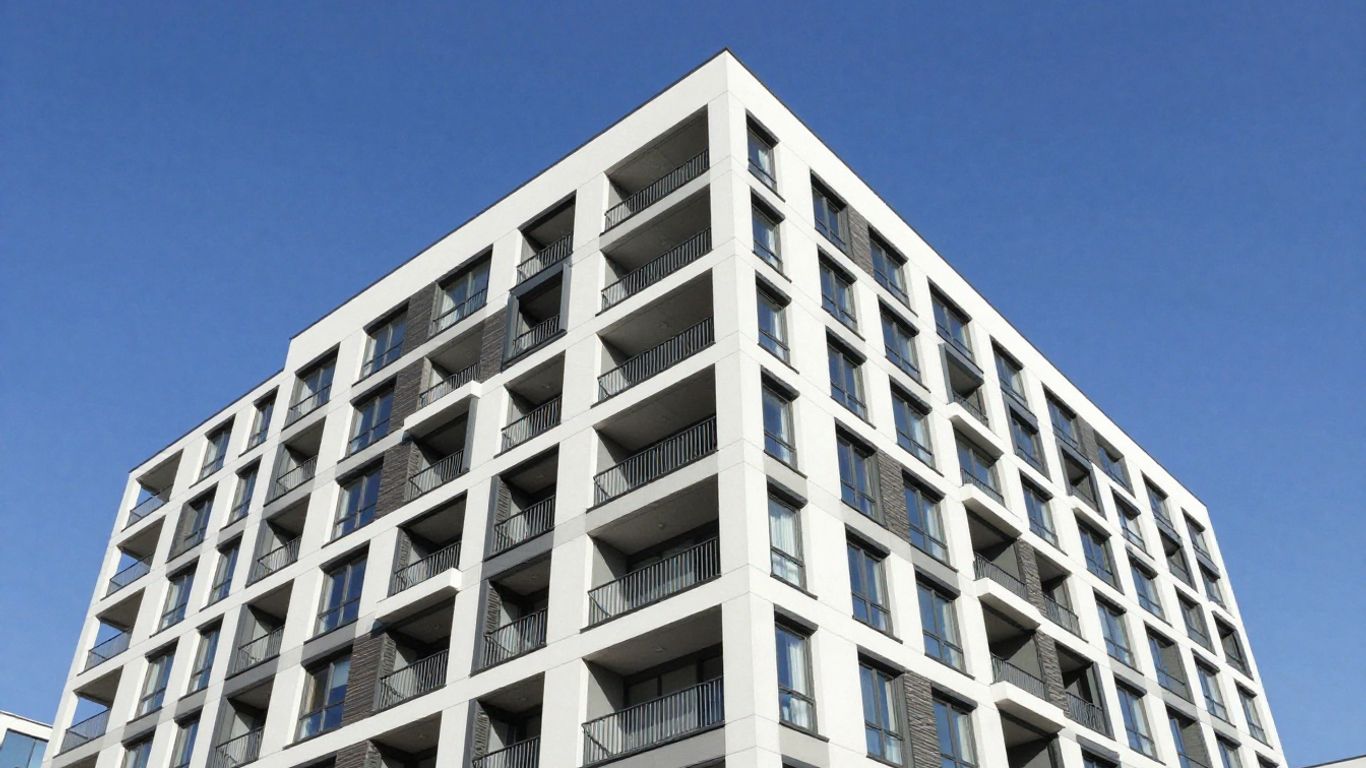
Detached homes typically offer greater potential for land appreciation, whereas apartments offer entry-level access. Buyers often weigh the maintenance-free lifestyle of an apartment against the long-term equity growth typically harvested from keeping a freehold home in a sought-after suburb.
Land value contribution in established suburbs
In older parts of Melbourne, the land itself often accounts for the vast majority of the property value, while the structure is seen as a depreciating asset. Recognizing the difference between what your house is worth and what the plot beneath it is valued at can significantly improve your bidding strategy at an auction.
Premium features driving price gaps
Features like energy efficiency, heritage status, and off-street parking create significant price variations even between otherwise identical properties. These premium markers can lead to wide discrepancies in sale results, meaning a basic search by suburb and price is often insufficient for identifying your next investment.
Strategic tips for buyers in the current climate
Navigating the current market requires a blend of data awareness and tactical restraint. Avoid the urge to panic-buy during periods of high competition; instead, rely on verified market indicators to ensure you are entering the market at a price that makes sense for your financial health.
Interpreting auction clearance rates
Clearance rates are arguably the most accurate real-time indicator of buyer sentiment. A high clearance rate signals strong competition and upward pressure, while a lower rate should give you the confidence to negotiate more aggressively because properties are sitting on the market for longer durations.
Evaluating long-term capital growth potential
When buying for the long term, ignore short-term price fluctuations and focus on fundamental urban growth drivers. This approach ensures that you prioritize the location’s enduring appeal over the immediate hype cycle found in certain high-growth but volatile sectors.
Working with buyers’ advocates for accurate valuation
Engaging a buyers’ advocate provides an independent layer of professional verification for property values. They help cut through the emotional bias of an open-home experience, providing you with a grounded perspective when it is time to make an offer.
Future outlook for Melbourne real estate
Prospects for the year ahead remain tied to global economic stability and continued local housing supply challenges. While uncertainty is inherent in any forecast, historical cycles suggest that periods of stagnation are often followed by adaptive growth as developers and builders respond to demand signals.
Expert projections for the coming year
Projections generally suggest a stabilization phase rather than a sustained crash, characterized by moderate fluctuations. Analysts are closely watching for signs that interest rate stability will encourage fence-sitters to re-enter the market by the third quarter of the calendar year.
Economic indicators to watch for prospective buyers
Watch closely for shifts in inflation data and employment figures, as these dictate future central bank decisions. When you see strong employment numbers paired with improving wage growth, it is often a precursor to a firmer property market entering the following season.
Impact of government policy and zoning changes
Legislative changes focusing on urban renewal and land usage are set to influence supply chains significantly. Policies aimed at increasing medium-density housing could alter the availability of entry-level stock, potentially cooling the price growth of apartments while encouraging higher turnover in established family neighborhoods.
Conclusion
Navigating the path to property ownership in Melbourne is an exercise in balancing statistical data with your own long-term financial goals. By focusing on fundamental factors such as regional supply, land value, and economic indicators, you can bypass the volatility that traps less informed participants. Patience remains the most powerful tool in your arsenal, allowing you to secure a quality residence during market corrections while waiting for the right opportunity to act.
Frequently Asked Questions
What does the median house price actually represent?
It is the mid-point price where half of the houses in a given suburb sold for more, and half sold for less during a specific period.
How often should I check local real estate data?
Checking data on a monthly basis is sufficient for most buyers, as frequent tracking can lead to emotional exhaustion rather than better decision-making.
Do apartments always grow in value more slowly?
Not necessarily, as supply constraints in specific inner-city pockets can drive prices higher, though they generally lack the land-based appreciation of detached homes.
Should I worry about small month-to-month price declines?
Minor fluctuations are a normal part of any market cycle and do not typically indicate a long-term change in the viability of a suburb for investment.
Can I negotiate lower than the median price?
Absolutely, especially in a market with low clearance rates where buyers have more room to maneuver during price negotiations.
Do government policies directly change median prices?
Government incentives and zoning laws can cause rapid changes in supply and buyer behavior, which ultimately impact the median price levels over time.
Is it safer to buy in a suburb where prices are stagnant?
Stagnation can either be a sign of a decaying area or an overlooked opportunity, so always investigate the underlying economic drivers before concluding which it is.