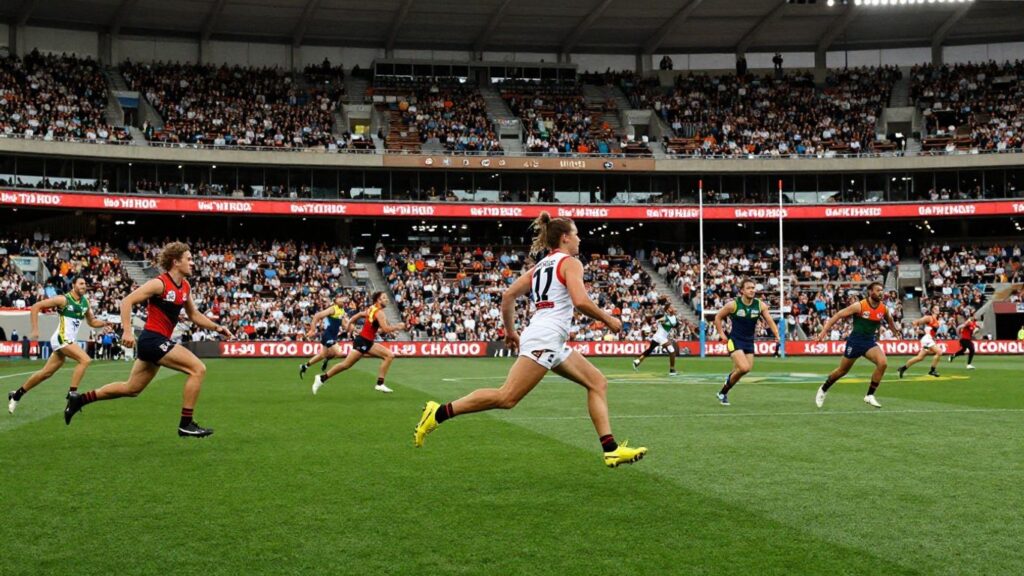
Australia’s sporting scene is always buzzing, but 2021 brought some particularly tricky sport issues to the forefront. We saw athletes speaking up more about their welfare and human rights, which is a big deal. Plus, sorting out disagreements in sport got a bit more complicated, with questions about fairness and who gets a say. It’s a mixed bag, really, showing that even in sports we love, there’s always work to do to make things better for everyone involved. This year highlighted some of the ongoing challenges and changes we’re seeing in Australian sport.
Key Takeaways
- Athlete welfare and human rights are becoming bigger talking points, with concerns about abuse and fairness in disciplinary processes.
- Resolving disputes in sport is getting more complex, with human rights claims appearing in different kinds of courts and tribunals.
- Inquiries are being used more to look into serious problems within sports organisations, aiming for more accountability.
- Debates around gender identity and who can compete in different categories are shaping sports rules and policies.
- Tackling issues like racism and gender inequality remains a focus to ensure Australian sport is fair and inclusive for all.
Addressing Athlete Welfare And Human Rights
Navigating Abuse Allegations In Australian Gymnastics
It’s been a tough few years for Australian gymnastics, hasn’t it? We’ve seen some pretty serious allegations surface about abuse and mistreatment within the sport. This has really put a spotlight on how we look after our athletes, especially the younger ones. The gymnastics community, and sport in general, is having to seriously rethink its structures and how complaints are handled. The focus now is on creating safer environments where athletes feel they can speak up without fear of reprisal. It’s not just about dealing with individual incidents, but looking at the whole system to see where things might have gone wrong and how to fix them.
Athlete Standing In Disciplinary And Ethics Codes
When something goes wrong in sport, who gets a say in what happens? That’s the big question around athlete standing in disciplinary and ethics codes. For a long time, it felt like athletes were often on the outer when it came to decisions affecting them. Now, there’s a push to give athletes more of a voice, to have them recognised as having a legitimate interest in how their sport is run and how disciplinary matters are handled. This means looking at the rules and codes of conduct to make sure they actually include athletes in a meaningful way.
Here’s a look at what’s changing:
- Increased Representation: More sports are looking at having athlete representatives on disciplinary panels or ethics committees.
- Clearer Complaint Pathways: Making sure athletes know exactly how to lodge a complaint and what to expect.
- Access to Information: Athletes should be informed about the process and their rights throughout.
Safeguarding Vulnerable Witnesses In Sport
Dealing with allegations of abuse or misconduct in sport often means that vulnerable people, including children and young athletes, might need to give evidence. This is a really sensitive area, and sports organisations have a duty to protect these individuals. It’s not just about getting the information needed for an investigation, but doing it in a way that minimises any further harm. This involves having specific procedures in place, often developed with expert advice, to make sure witnesses are supported and their privacy is respected. It’s a complex area, but absolutely vital for maintaining trust and integrity in sport.
The pressure on athletes can be immense, and when things go wrong, the systems in place to help them need to be robust and genuinely supportive. It’s about more than just rules; it’s about people and their wellbeing.
The Evolving Landscape Of Sport Dispute Resolution
Sport dispute resolution has traditionally been built for things like doping bans or contract squabbles, not really for the messy human rights stuff that’s popping up more and more. Think about it, the whole system was set up to keep sport running smoothly and independently. But now, with athletes speaking out about abuse, discrimination, and unfair treatment, these old systems are being stretched to their limits.
Challenges For Sport Arbitration At The CAS Level
The Court of Arbitration for Sport (CAS) is often seen as the final word in sports disputes. However, it wasn’t originally designed to handle complex human rights claims. While it’s getting better, there’s still a steep learning curve. Panels might not always have the right expertise to deal with these sensitive issues, and the process can be pretty daunting for individuals.
- Lack of specialised human rights expertise on panels.
- Procedural complexities can be a barrier for athletes.
- The cost and time involved can be prohibitive.
Human Rights Claims Before Ordinary Courts
Sometimes, athletes are turning to regular courts when sport’s internal systems fall short. This can happen when alleged abuse or harassment crosses the line into criminal activity, or when discrimination laws are clearly breached. It’s a sign that people are looking for avenues where their rights are taken seriously, even if it means stepping outside the traditional sports world.
The rise of these cases shows a growing awareness that sport isn’t immune to broader societal issues, and that legal frameworks outside of sport itself might be necessary for true accountability.
The Role Of National Tribunals In Sport Cases
National tribunals, including human rights commissions and employment courts, are becoming more important. These bodies can offer a more accessible and often more specialised route for resolving disputes that involve human rights. They can look at cases from a legal perspective that sport-specific bodies might not be equipped to handle, offering a different kind of justice.
| Tribunal Type | Common Issues Addressed |
|---|---|
| Human Rights Tribunals | Discrimination (gender, race, identity), harassment |
| Employment Tribunals | Athlete contracts, unfair dismissal, working conditions |
| Civil Courts | Abuse allegations, breach of contract, defamation |
Inquiries As A Mechanism For Sport Accountability
When things go really wrong in sport, sometimes the usual ways of sorting things out just don’t cut it. Think about big scandals or when lots of people are hurt – individual complaints or even court cases might not be enough to get to the bottom of it. That’s where inquiries come in. They’re basically formal investigations, often set up by governments or sporting bodies themselves, to dig into serious issues. They’re not like a courtroom; they’re more about finding out what happened, why it happened, and who’s responsible, especially when there are claims of systemic problems or human rights stuff being ignored.
Investigating Systemic Failings In Australian Sport
In Australia, we’ve seen inquiries pop up when there’s a need to look at bigger, messier problems. For instance, after a documentary about abuse in gymnastics, Gymnastics Australia brought in the Australian Human Rights Commission to review things. This review ended up highlighting issues like power imbalances and a ‘win-at-all-costs’ attitude that made young athletes vulnerable. They came up with recommendations for big changes, but even then, some survivors felt the implementation was slow. It shows that while inquiries can uncover a lot, making sure the recommendations actually happen is another challenge altogether.
The Effectiveness Of Independent Sport Reviews
Independent reviews are a bit like inquiries, but they might be a bit less formal. They’re a way to get an outside perspective on what’s going on. The idea is that someone independent can look at the evidence without being tied to the sport’s internal politics.
Here’s a look at what makes them tick:
- Fact-Finding: Their main job is to gather information and figure out the facts of a situation.
- Identifying Issues: They point out where things are going wrong, whether it’s a cultural problem or a specific policy failure.
- Making Suggestions: They usually finish up by suggesting ways to fix the problems they’ve found.
The real test of an independent review is whether its findings lead to actual change. Sometimes, these reviews can be really powerful, bringing issues into the open that were previously ignored. However, if the recommendations aren’t acted upon, they can end up feeling like a waste of time and effort for everyone involved.
Inquiries and reviews can be really useful for understanding complex problems in sport. They give people a chance to tell their stories and can shine a light on issues that might otherwise stay hidden. But they’re not a magic fix. For them to really work, there needs to be a commitment from those in charge to listen to the findings and make the necessary changes. It’s about more than just finding out what went wrong; it’s about fixing it so it doesn’t happen again.
Public Inquiries And Athlete-Centred Remedy
Sometimes, the problems are so big they need a public inquiry. These are the ones that really grab headlines. They can be a way to acknowledge the suffering of athletes and fans, giving them a voice in a formal setting. The goal isn’t just to assign blame, but to create a record of what happened and, importantly, to suggest ways to prevent it from happening again. This is where the idea of athlete-centred remedy comes in. It means making sure that whatever comes out of the inquiry actually helps the people who were harmed. This could mean apologies, compensation, or changes to rules and structures that put athlete safety and well-being first. It’s a tough process, and not all inquiries lead to the outcomes survivors hope for, but they are a vital part of trying to make sport fairer and safer for everyone. We’ve seen this play out in various Australian sport policy discussions over the years.
Navigating Gender Identity In Competitive Sport
Discrimination Cases Against Cycling Governing Bodies
This area has seen some pretty big legal stoushes lately. We’re talking about athletes, particularly transgender women, being blocked from competing in their chosen categories. Take the case of Kristen Worley, a Canadian cyclist. She took on cycling’s governing bodies, including the UCI, because she was denied a racing licence. The issue? She wanted an exemption from gender verification tests, which were based on older IOC guidelines. It got pretty messy, but eventually, there was a settlement.
More recently, in 2023, the UCI brought in new rules about who can compete in women’s events. This led to another Belgian court ruling in 2025 that a transgender cyclist was discriminated against when her licence wasn’t renewed under these new rules. It shows how complex this is getting, with sports organisations trying to balance different interests, and athletes pushing back when they feel unfairly treated.
Eligibility Rules And Transgender Athlete Participation
So, the big question is: who gets to compete where? Sports bodies worldwide are wrestling with this, especially concerning transgender athletes. The International Olympic Committee (IOC) has put out some guidance, but it’s not a one-size-fits-all solution. Different sports are coming up with their own rules, and these can vary a lot.
For example, some sports might focus on hormone levels, requiring athletes to maintain a certain testosterone level for a specific period. Others might look at the athlete’s history of gender identity and when they transitioned. It’s a minefield, really. The challenge is creating rules that are fair to everyone involved, respecting both the integrity of women’s sport and the rights of transgender athletes.
Here’s a look at some common approaches being discussed:
- Hormone Level Requirements: Mandating specific testosterone levels for a set duration before competition.
- Stage of Transition: Considering whether an athlete has undergone any medical transition processes.
- Sport-Specific Assessments: Recognising that different sports have different physical demands, so a one-size-fits-all policy might not work.
- Athlete Input: Increasingly, there’s a push to involve athletes, including transgender athletes, in the development of these policies.
The Impact Of IOC Gender Verification Policies
The IOC’s stance on gender has shifted over the years, and it’s had a ripple effect across all sports. Their earlier policies, like the Stockholm Consensus from 1999, were quite strict and focused heavily on medical interventions and hormone levels. This led to some really difficult situations for athletes.
The ongoing debate around transgender inclusion in sport highlights a significant tension between the desire for fairness and equity for all athletes and the need to maintain competitive balance, particularly in women’s categories. Finding a path forward requires careful consideration of scientific evidence, ethical principles, and the lived experiences of athletes.
While the IOC has moved towards a more inclusive approach, suggesting that sports federations should determine their own eligibility criteria based on specific sports and evidence, the legacy of older, more rigid policies still influences discussions and legal challenges. It’s a constantly evolving area, and sports organisations are under pressure to get it right.
Ensuring Fairness And Equity In Australian Sport
It’s a bit of a tough one, isn’t it? We all love watching our athletes compete, but sometimes, the stories coming out behind the scenes aren’t so great. In 2021, Australia’s sporting scene was really grappling with how to make things fairer for everyone involved. This wasn’t just about the big international events; it was about what was happening right here at home, from the local clubs to the national teams.
Addressing Racism In Australian Cricket
Cricket, our national summer sport, has had its share of uncomfortable moments. We saw serious claims of racism, which really shook things up. It’s not just about individual incidents; it’s about looking at the whole system and figuring out where things went wrong. The goal is to create an environment where everyone feels welcome and respected, no matter their background.
- Reviewing historical complaints and allegations.
- Implementing new cultural awareness training for players and staff.
- Establishing clearer reporting channels for discriminatory behaviour.
The spotlight on racism in cricket highlighted how deeply ingrained some issues can be. It’s a long road to fixing it, and it requires constant effort from everyone involved, from the players on the field to the administrators in the offices.
Promoting Gender Equality In Sporting Culture
When we talk about fairness, gender equality is a massive part of that. For years, women’s sport has often been overlooked or underfunded compared to men’s. In 2021, there was a push to change that. This meant looking at things like prize money, media coverage, and opportunities for female athletes and coaches.
Here’s a snapshot of some areas needing attention:
| Area of Focus | Current Situation (Generalised) | Desired Outcome |
|---|---|---|
| Media Coverage | Often less than men’s sport | Equal and prominent coverage |
| Funding & Resources | Historically lower | Equitable distribution of funds |
| Leadership Roles | Underrepresentation of women | Increased female representation |
| Pay Equity | Significant gaps persist | Fair and equal remuneration |
The Need For Robust Integrity Structures
To really make sure fairness and equity stick, sports organisations need strong systems in place. This means having clear rules, independent bodies to handle disputes, and ways to hold people accountable when things go wrong. It’s about building trust and making sure that sport in Australia is a place where everyone can compete on a level playing field, free from discrimination and unfair practices.
- Developing independent integrity units.
- Strengthening anti-doping and anti-corruption measures.
- Ensuring transparent governance and decision-making processes.
Wrapping Up 2021
So, looking back at 2021, it’s pretty clear that sport in Australia, like everywhere else, is dealing with some pretty big stuff. We’ve seen cases pop up where athletes’ rights haven’t been respected, and sometimes the usual ways of sorting out problems just don’t cut it. It feels like there’s a lot of work still to do to make sure everyone involved in sport is treated fairly and safely. While there have been some positive steps, like inquiries and reviews looking into serious issues, it’s a slow process. Hopefully, as we move forward, sport bodies will really step up and make sure these problems are sorted out properly, not just for the big names, but for everyone, from the top athletes right down to the grassroots.
Frequently Asked Questions
What’s being done about bad stuff happening to athletes in sports?
There’s a big focus on making sure athletes are safe and their rights are looked after. This includes dealing with claims of abuse, like what happened in Australian gymnastics. Sports groups are also working on rules so athletes have a say when things go wrong and making sure people who see bad things happen feel safe to speak up.
How are sports sorting out disagreements these days?
Sports are trying new ways to fix problems. Sometimes this means going to special sports courts like the Court of Arbitration for Sport (CAS), which is getting better at handling human rights issues. Other times, human rights cases are being heard in regular courts. National sports bodies also have their own ways of dealing with disputes.
Why are there so many investigations happening in sports?
Investigations are a way to make sports more accountable. When big problems come up, like systemic issues or widespread abuse, independent reviews or public inquiries are launched to find out what went wrong. The goal is to learn from these mistakes and make sure they don’t happen again, putting athletes’ needs first.
What’s the deal with transgender athletes in sports?
It’s a tricky area. There have been cases where rules about who can compete have been challenged, especially for transgender athletes. Groups like the International Olympic Committee (IOC) have policies, but they’re always being looked at to make sure they’re fair for everyone involved.
How is sport making sure things are fair for everyone?
Sports are trying hard to be more fair and equal. This means tackling issues like racism, for example in cricket, and working towards better gender equality in how sports are run and how people are treated. Building strong systems to keep sports honest and fair is a top priority.
Are sports bodies really listening to athletes?
There’s a growing push for athletes to have more say in how sports are run, especially when it comes to their welfare and how disputes are handled. While progress is being made, making sure athletes’ voices are heard and acted upon is still a major goal for many sports organisations.